
"Given the lack of evidence, it is difficult to justify at present the routine use of cannabinoids to treat mental or substance use disorders (addictive)." concludes this work published in the Lancet Psychiatry. Medical cannabis is currently authorized in several dozen countries, such as Australia, Canada or several states of the European Union, mainly for two main indications: pain relief and certain psychological disorders.
This data is "generally of poor quality"
The analysis of Lancet PsychiatryThe project, which aims to compile all available research on the subject, focuses on the second aspect. Its authors, led by Australian researcher Jack Wilson, present a picture that is currently inconclusive. Some data suggest that so-called cannabinoid products "can improve" They note symptoms ranging from tics to insomnia and even addiction to cannabis itself.
But this data is "generally of poor quality"They warn, however, noting that medical cannabis does not appear to be associated with serious side effects in these indications. According to the study, this does not mean that medical cannabis should be concluded to be of no benefit in mental disorders, but that"There is a pressing need for high-quality research." to be able to truly recommend it.
Read alsoCannabis: "Bad trips" from adulterated CBD worry authorities
New countries are considering legalizing medical cannabis
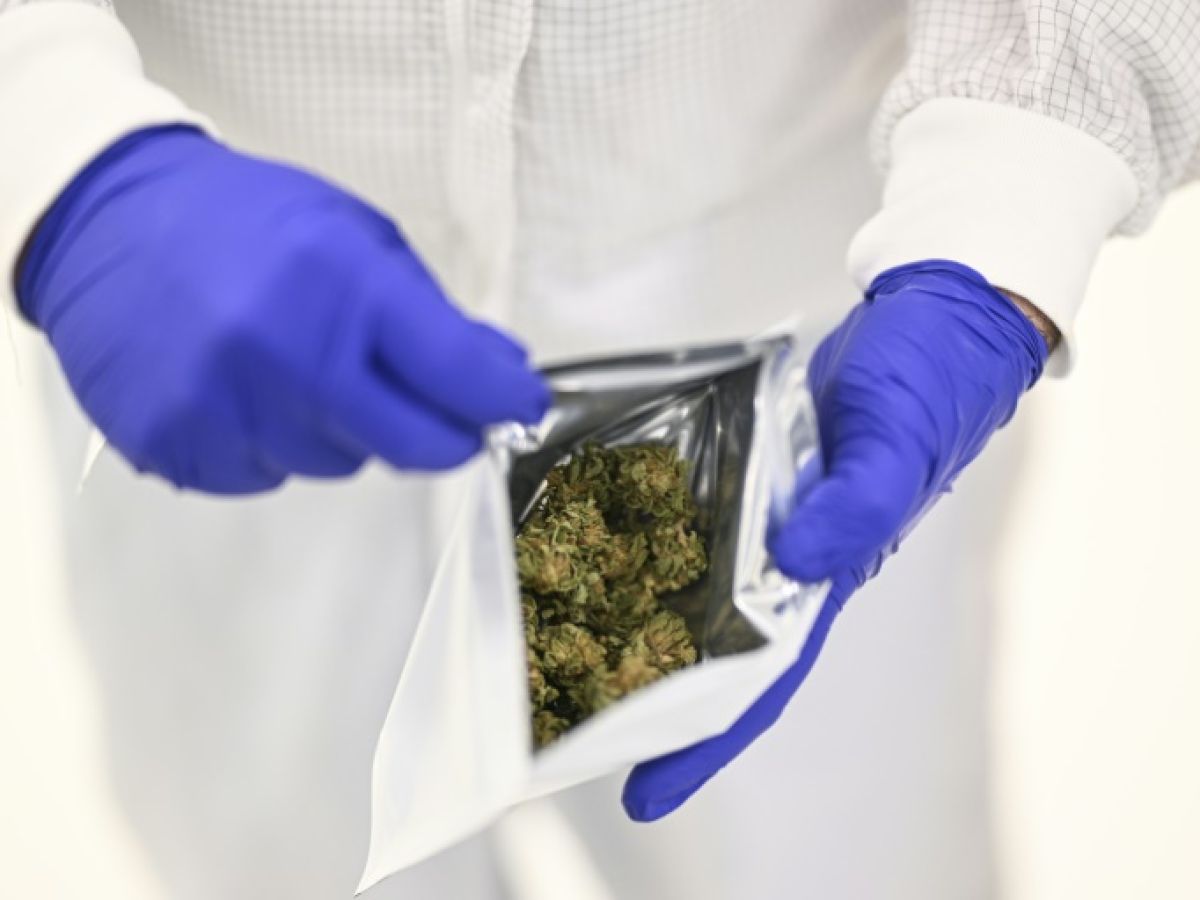
For comparison, in pain-related indications, a similar study, published in 2021 in the BMJhad concluded that there were positive effects, but only "light to very light"The study of Lancet Psychiatry This comes in a context where new countries are considering legalizing medical cannabis, but where its benefits continue to be debated within the medical community.
In France, the government is considering for several years to authorize cannabis-based treatments, primarily for pain but also for certain psychological disorders in people with cancer, such as insomnia. An experiment was conducted in the early 2020s, but following several setbacks, these treatments are not currently available on the market, as an evaluation is underway by the French National Authority for Health (HAS). Its results are expected in the fall.
 English
  French