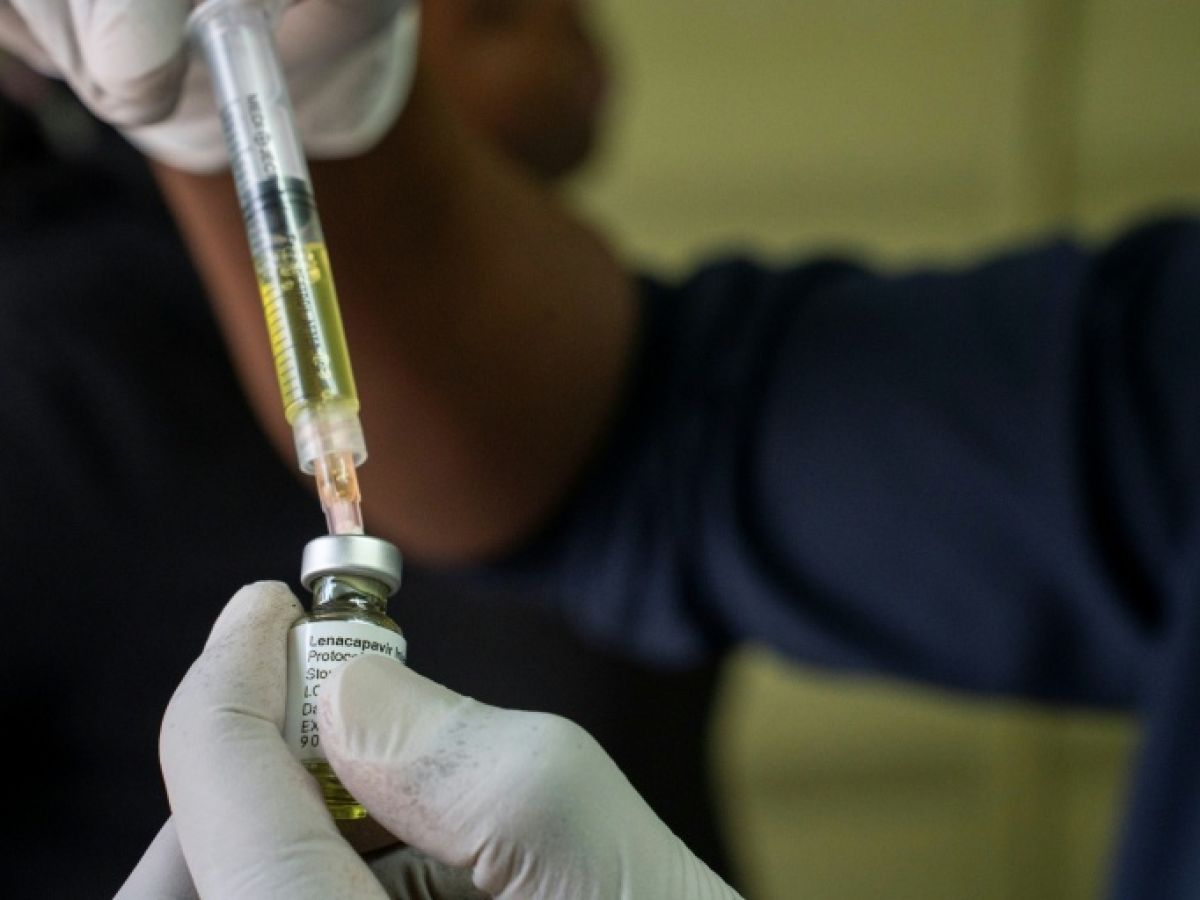
Lenacapavir is a new injectable treatment for HIV which only needs to be administered twice a year. According to experts, it represents a huge improvement over treatments requiring a daily pill. Kenya is one of nine African countries selected last year to introduce lenacapavir, which has been used since December in South Africa, Eswatini, and Zambia.
East and Southern Africa account for approximately 52% of the 40.8 million people living with HIV worldwide, according to 2024 UNAIDS data. Kenya received its first batch of 21,000 doses on Tuesday as part of an agreement with its US manufacturer, Gilead Sciences, and the Global Fund to Fight AIDS.
In Kenya, the HIV prevalence is 3.7%.
"The first phase of implementation will begin at the start of March and will cover 15 counties," Health Minister Aden Duale said in a statement. "We expect 12,000 additional doses by April."he added.
The minister specified that the US government had committed to providing Kenya, which has an HIV prevalence rate of 3.7%, with an additional 25,000 doses of the drug. The deployment of lenacapavir This comes at a time when African countries are facing drastic cuts in humanitarian aid, particularly from the administration of President Donald Trump, which have affected HIV/AIDS programs across the continent.

Read alsoDonald Trump endangers global health
Kenya maintains close ties with the United States and in December signed a $2.5 billion health aid agreement — the first bilateral agreement of its kind after Mr. Trump dismantled the US agency USAID.
$1.6 billion over five years in Kenya
Under this agreement, the United States has committed to providing $1.6 billion over five years to Kenya to work on health issues, including the fight against HIV/AIDS and malaria, as well as polio prevention.
Kenya is to contribute an additional $850 million and gradually assume more responsibilities. However, the agreement has been challenged in court by a Kenyan senator, who cites multiple constitutional violations.
 English
  French