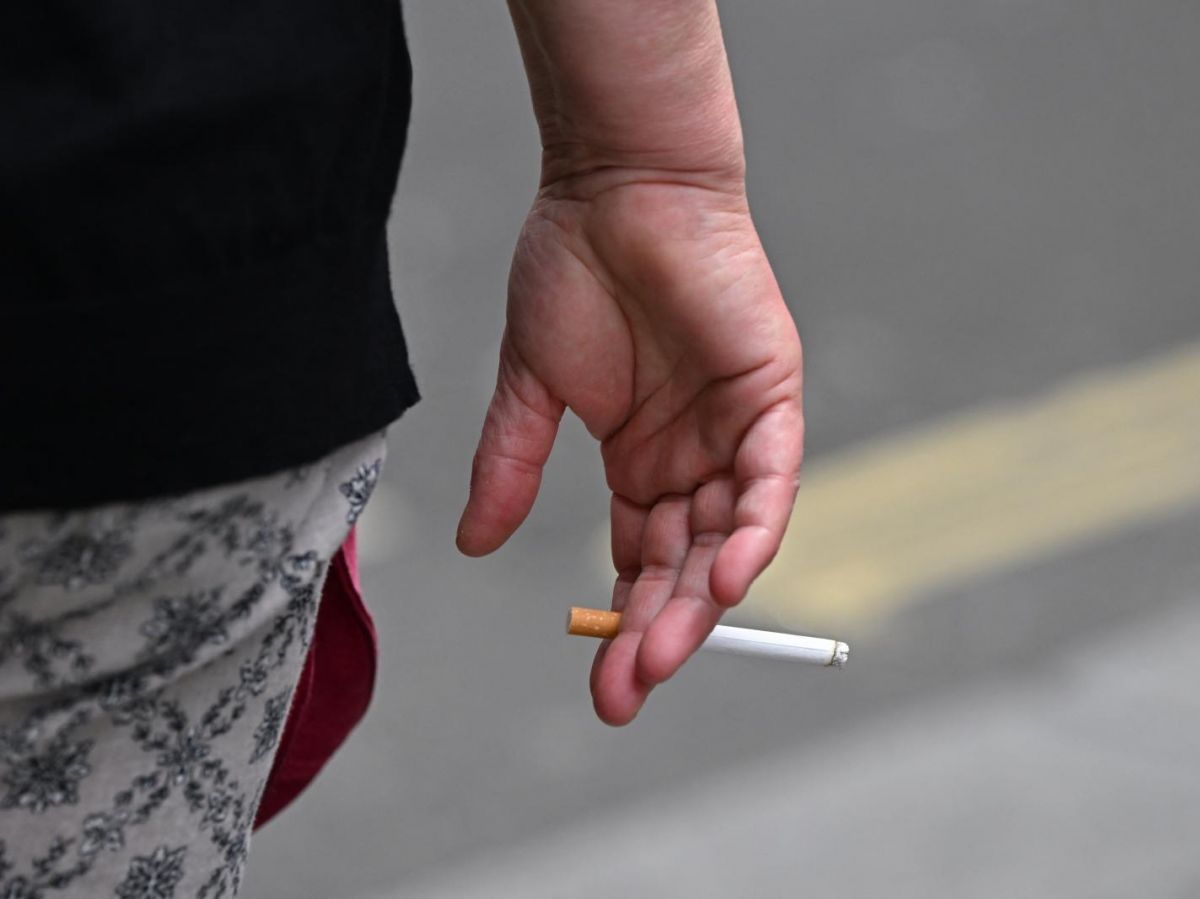
According to several media outlets, this is the second country in the world to introduce a generational ban after the Maldives, which in November prohibited the sale of tobacco to young people born after January 1, 2007. Members of the House of Commons and the Lords of the upper house agreed on Monday, April 20, 2026, on a final version of the text, which now needs to receive royal assent – a formality.
Wes Streeting, the Labour Health Secretary, considered it a "historic moment", with a "First tobacco-free generation protected from a lifetime of addiction and harm." All persons born after January 1, 2009, and who are therefore currently 17 years old or younger, will never be able to legally purchase cigarettes.
A "Decisive turning point"
In addition to this measure, the text also includes a ban on smoking in outdoor spaces such as children's playgrounds, as well as around schools and hospitals. It should also allow for a ban on advertising for vaping products, impose restrictions on their flavors and packaging, and prohibit these products in areas where smoking is already banned.
Hazel Cheeseman, executive director of the Action on Smoking and Health (ASH) association, welcomed a "decisive turning point" and considered it to be a "A lasting gift for future generations"The MPs had approved the bill by 366 votes to 41 at the end of March in its final reading.
Read alsoGenerational tobacco ban: towards a smoke-free society by 2032?
Puffs already banned from sale
Labour has already banned the sale of disposable electronic cigarettes (puffs), with bright colours and flavours popular with young people, since June 1, 2025. In 2022, New Zealand had banned the sale of cigarettes to anyone born after 2008. But when they came to power at the end of 2023, the Conservatives abandoned the measure.
Smoking is responsible for the deaths of approximately 80,000 people per year in the UK and for a quarter of all cancer deaths.
 English
  French