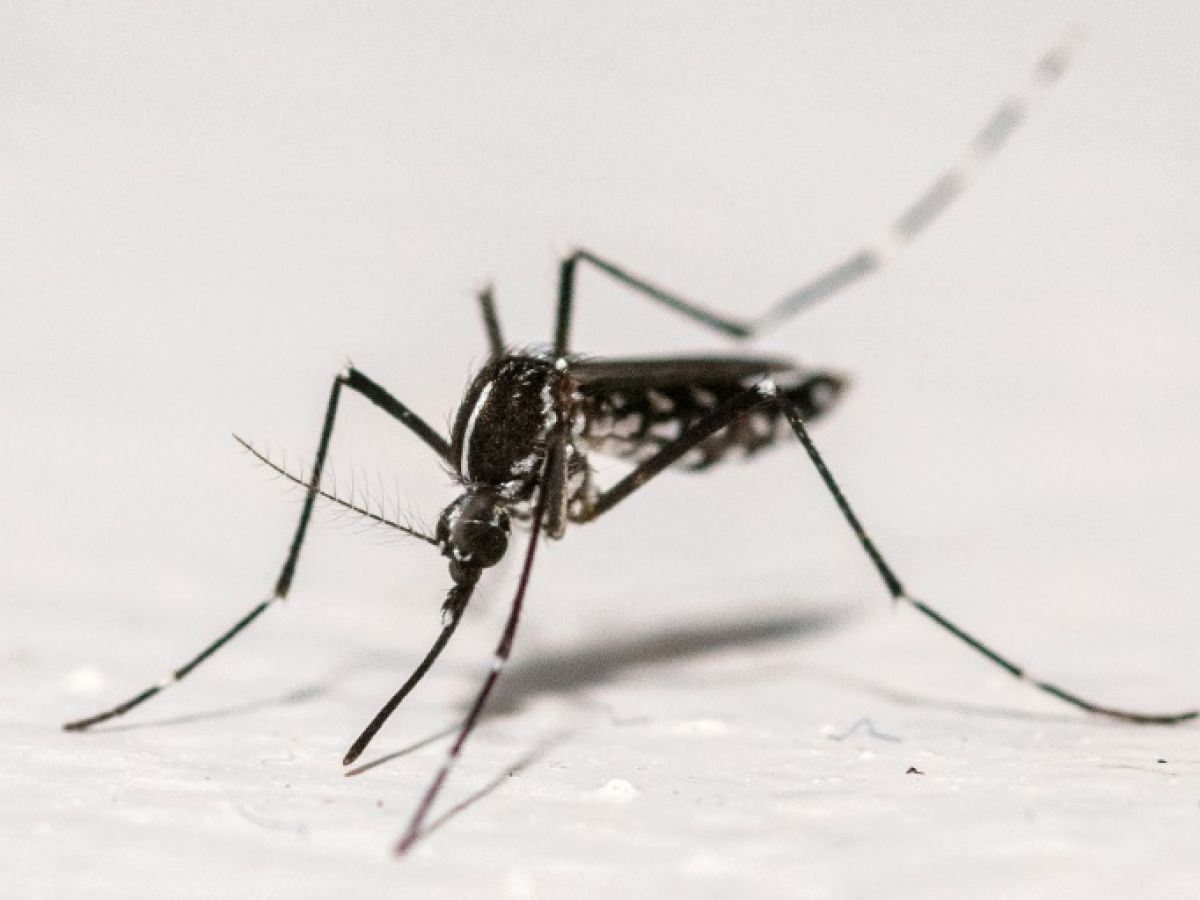
The rise in locally acquired cases of chikungunya in France continued at the end of September, following a record summer of contamination by this disease transmitted by tiger mosquitoes, according to new data from Public Health France, published on Wednesday.
As of September 29, 633 cases of chikungunya, spread across 69 clusters, had resulted from infections in mainland France since the beginning of May, compared to 570 the previous week, according to the health agency's weekly report. In addition, there were nine isolated cases where the source of infection could not be identified.
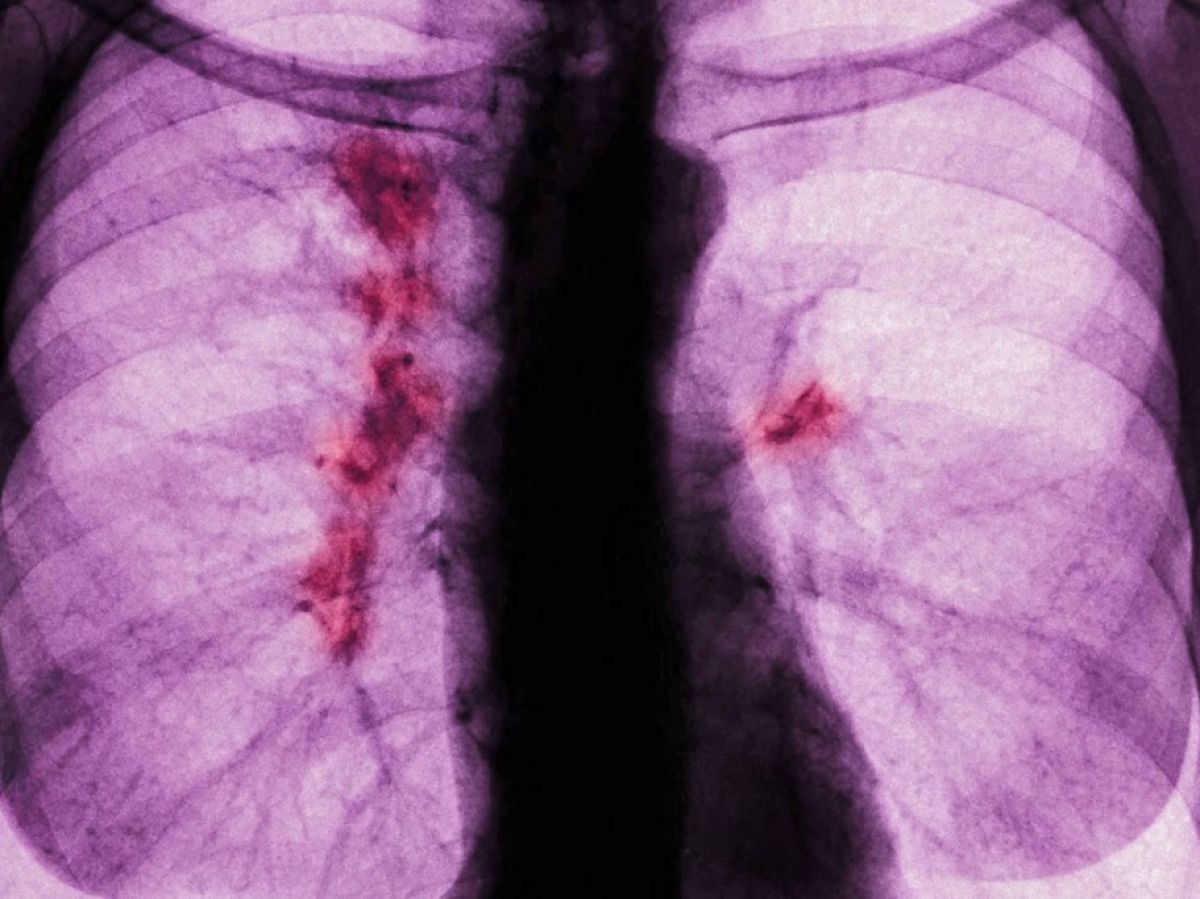
While several outbreaks have now ended, the summer of 2025 saw an unprecedented surge in infections of this virus in mainland France. Transmitted from human to human via tiger mosquito bites, it causes fever and joint pain. Several clusters have thus accumulated more than 70 cases (Fréjus, Antibes, and Bergerac).
This year, a major epidemic in Réunion and the Indian Ocean region contributed to the arrival of imported cases, which then fueled contamination in mainland France. But, more generally, global warming is facilitating the establishment of the tiger mosquito in regions where it was absent several decades ago.
Another disease transmitted by this mosquito, dengue, continues to cause some local cases, but the scale is much smaller (26 cases) and does not reach the record of 2024 (66 cases), according to the latest report.
For both diseases, "the autochthonous cases are located in the Auvergne-Rhône-Alpes, Corsica, Ile-de-France, Occitanie, Provence-Alpes-Côte d'Azur regions, already affected in previous years, and for the first time this year in Bourgogne-Franche Comté, Centre-Val de Loire, Grand Est and Nouvelle-Aquitaine," notes Public Health France.
Also under increased surveillance: West Nile fever, transmitted by the Culex mosquito via an infected bird, has a growing number of locally acquired cases in France, with 41 identified at the end of September.
The infection is usually asymptomatic, but in about one-fifth of cases it causes flu-like symptoms. In fewer than 11% of cases, serious complications can arise, sometimes leading to death. "A case with a neuroinvasive form, aged over 80 and with comorbidities, died" this summer, according to SpF.
Indigenous cases of "West Nile" fever have already been reported in metropolitan France in previous years, around forty in 2024, but never so many outside the historical transmission zone on the Mediterranean arc.
 English
  French