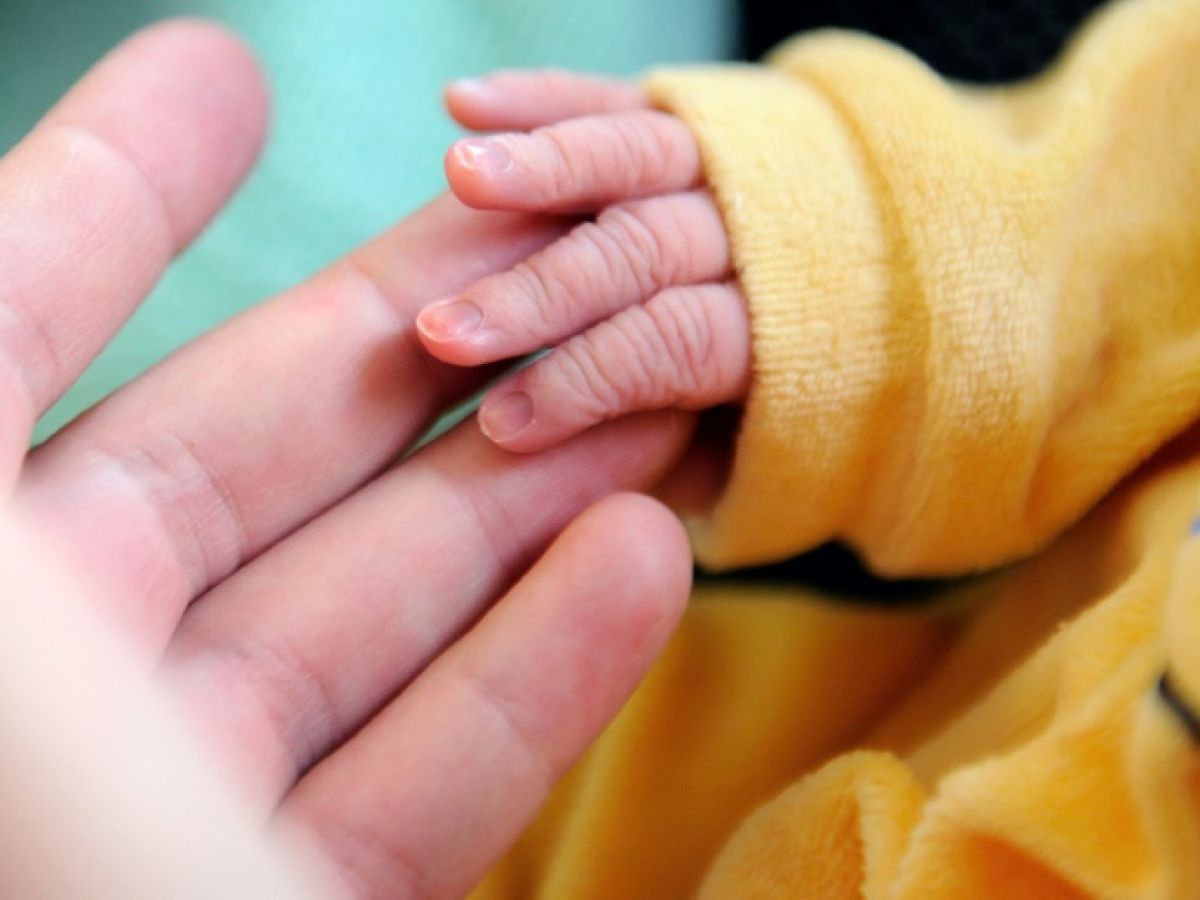
Exposure to certain air pollutants at the time of birth could constitute a risk factor for acute leukemia in children, says Inserm based on a recent study showing significant associations.
Acute leukemias are the most common cancers in children. While several risk factors have been established, such as exposure to high doses of ionizing radiation, certain genetic factors, or certain chemotherapies, the role of perinatal exposure – from pregnancy to the first months of infancy – to certain environmental factors, such as air pollutants, remains debated, a press release summarizes.
Previous work by researchers from Inserm, Sorbonne Paris Nord University, Paris Cité University and INRAE had shown that proximity of residence to a major road at the time of diagnosis was associated, in France, with an increased risk of developing acute myeloid leukemia in childhood – one of the two main types of this pediatric cancer.
Their new study, published in the journal Environmental Health The study, published on October 22, goes further. It seeks to assess the risk of acute leukemia (lymphoblastic or myeloid) based on exposure to air pollutants in the place of residence at birth. The researchers used data from a study (GEOCAP-Birth) based on the national childhood cancer registry.
A higher risk of approximately 70%
The study considered proximity (less than 500 m) to a busy road and modeled exposure to several traffic-related pollutants: nitrogen dioxide, PM2.5 fine particulate matter, and black carbon. While the results do not establish a cause-and-effect relationship, they support " the hypothesis of a role of perinatal exposure to air pollution in the occurrence of acute leukemia in children" , And " in particular the involvement of PM2.5 fine particles in acute lymphoblastic leukemia" , specified Aurélie Danjou (Inserm), first author, quoted in the press release.
Children most exposed to PM2.5 would thus have a higher risk of developing acute lymphoblastic leukemia by approximately 701 times (TP3T) compared to those least exposed. However, the presence of a major road within 500 meters of their residence did not appear to be associated with the risk of developing acute leukemia.
According to the researchers, " These results suggest that sources of PM2.5 pollution, other than road traffic, could be involved."such as industrial activity or domestic heating. Studies involving more children could help to better understand" what other pollutants could play a role", according to Ms. Danjou.
 English
  French