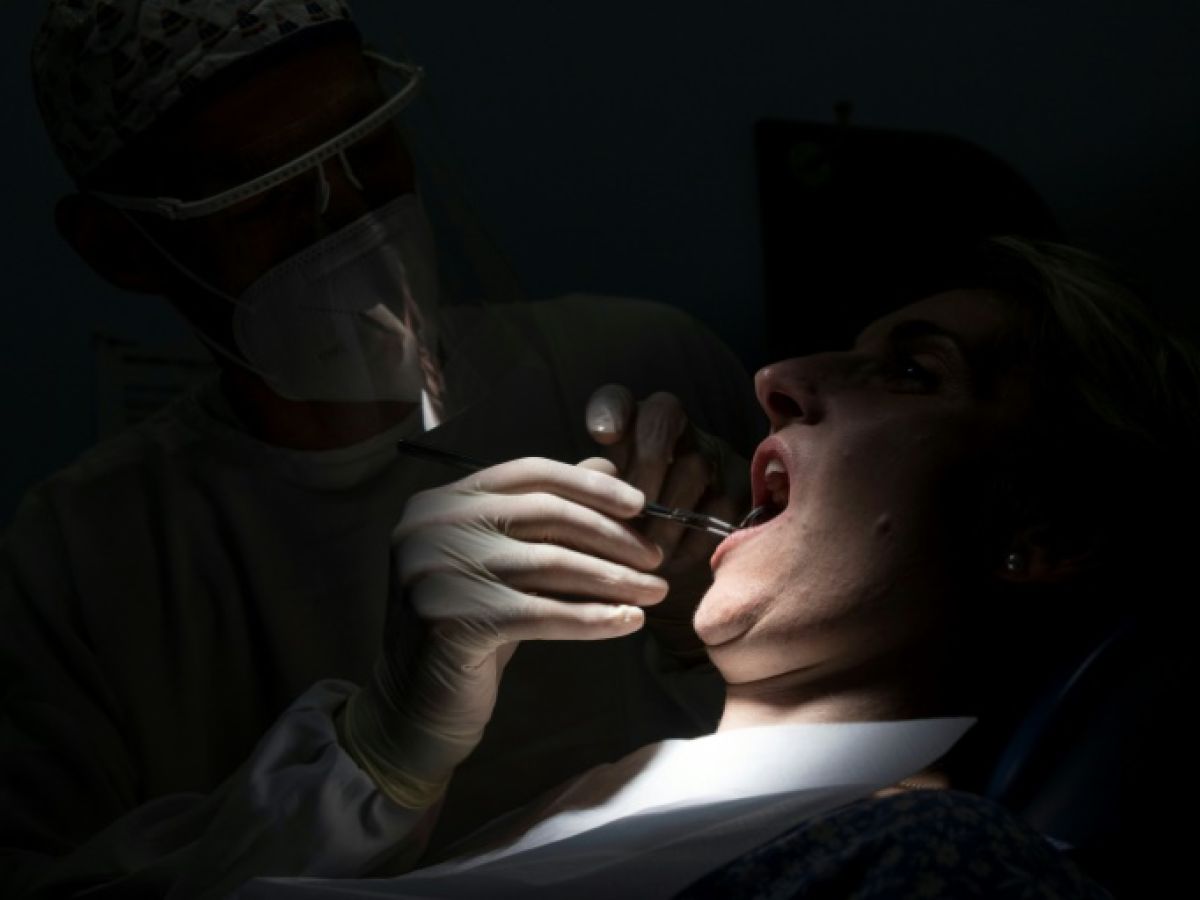
Countries agreed on Friday to phase out the use of mercury in dental fillings by 2034, at a conference in Geneva aimed at reducing the harm caused by the toxic metal.
Representatives from these countries agreed to "end the use of dental amalgams by 2034, marking a historic step in reducing mercury pollution," the Conference of the Parties to the Minamata Convention on Mercury (COP-6) announced in its closing statement.

The World Health Organization (WHO) considers mercury to be one of the ten chemicals of greatest concern to public health, classifying it as "toxic to human health".
"It is inexcusable that governments around the world are still allowing mercury-based compounds in health care when safe alternatives exist," said U.S. Health Secretary Robert Kennedy Jr. in a video message during the meeting.

Dental amalgams have been used by dentists for over 175 years as a filling material to treat cavities.
Since January, the ban on the use of mercury amalgam fillings has become widespread in the European Union – with a possible 18-month exemption for some member states – whereas previously it only applied to children under 15 and pregnant women. The sole exception is if an amalgam filling is deemed strictly necessary by the dentist due to specific medical needs.
– “Scourge” –
The Minamata Convention on Mercury is an international treaty signed by more than 120 countries aimed at protecting human health and the environment from the harmful effects of mercury and its compounds.
Adopted in 2013, it stipulates that signatory countries take measures to progressively eliminate the use of mercury dental amalgams.
The sixth Conference of the Parties to the treaty, held in Geneva this week, adopted amendments "establishing a global elimination of dental amalgams by 2034", according to the final declaration.
"This scientifically based and time-limited agreement marks a decisive step towards the total elimination of the use of mercury in dentistry," according to the statement.
However, a bloc of African countries wanted to go further, with a ban on the production, import and export of mercury-based dental fillings from 2030.
Several states opposed such a measure, including Iran, India, and the United Kingdom, which argued that the deadline was too early.
A consensus has finally been reached for 2034.
"We have just opened the door to a new chapter in the history of mercury," said Monika Stankiewicz, executive secretary of the convention.
“Mercury pollution is a scourge,” she added. However, “by understanding each other and bridging our differences, we can make a difference in people’s lives all over the world.”
The conference president, Osvaldo Alvarez Perez, added: "We have set new ambitious goals and left the mercury a little more behind us."
In total, COP-6 resulted in the adoption of 21 measures to protect health and the environment from mercury pollution.
At the request of African countries, the parties agreed to continue their efforts in eliminating mercury-based skin-lightening cosmetic products.
When added to cosmetics, mercury lightens the skin by suppressing melanin production. However, this process is not permanent and is dangerous to health.
"The convention already prohibits the use of mercury in cosmetics," but sales "have exploded worldwide, particularly online," Ms. Stankiewicz explained to the press.
 English
  French