Having emerged in July in a western Cuban province, the chikungunya virus has spread throughout the island in recent weeks, with a sharp rise in the number of cases, amid a severe economic crisis marked by shortages of medicine and food.
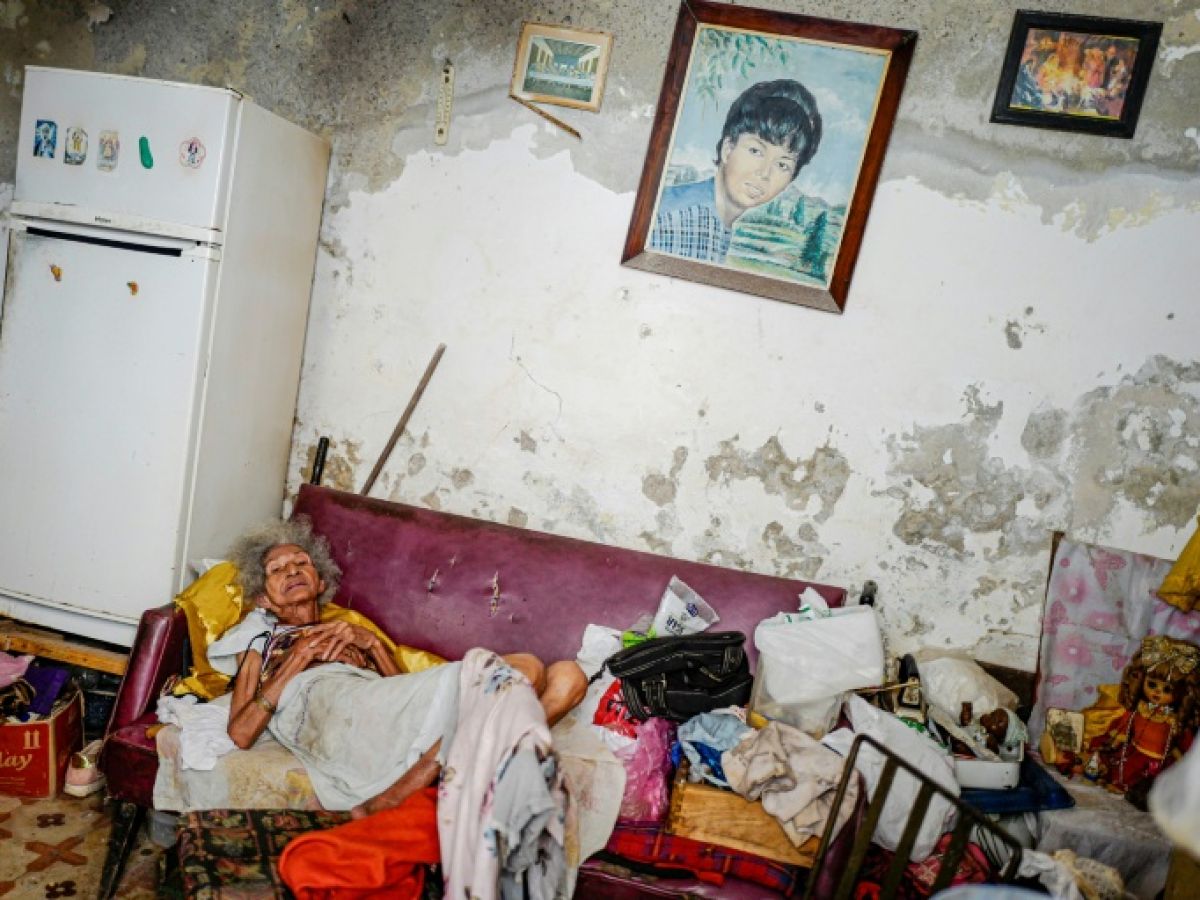
"I'm in pain everywhere" and "I can't walk," laments 81-year-old Pilar Alcantara, who lives alone in the Jesus Maria neighborhood of Havana, from the sofa in her living room where she has been bedridden for several days.

The octogenarian was one of the last to contract the virus in her block, where some residents, who fell ill a month or two ago, are still complaining of after-effects, including joint pain, typical of this disease.
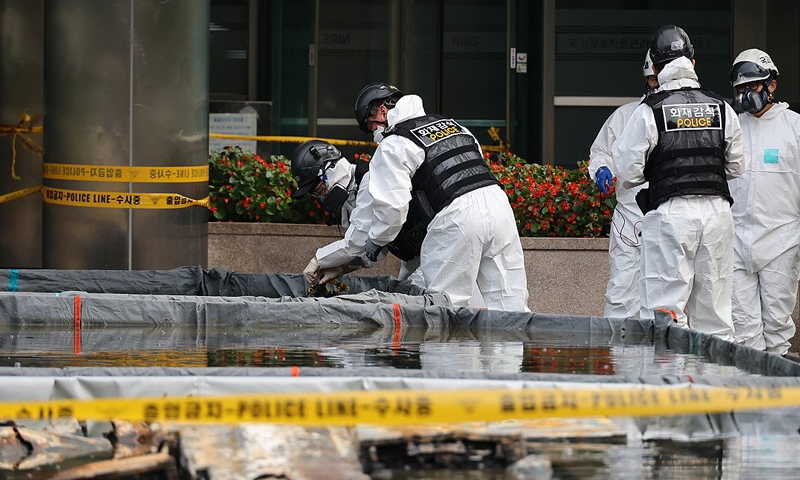
"Here, everyone has been infected," Eva Cristina Quiroga, 74, told AFP, as she waited at the entrance of her building where fumigations had just been carried out for the first time to combat the mosquitoes that transmit the virus.
The chikungunya epidemic, which emerged in July in the province of Matanzas (west), neighboring that of Havana, has already spread to the fifteen provinces of the country, where outbreaks of dengue and oropouche have also been reported.
Chikungunya "is the main arboviral disease that affects us and the whole country," said Francisco Duran, head of epidemiology at the Ministry of Health, on Thursday, who has been communicating the number of recorded cases daily on television since the previous day.
According to the expert, more than 47,000 Cubans were diagnosed this week, double the number from last week, "which reflects the complexity of the disease." On Thursday, "627 new or suspected cases of the disease" were reported, but these figures do not reflect the severity of the epidemic, he acknowledged, because they only include patients who consult a doctor.
Last week, the official indicated that approximately 301,300 of the 9.7 million Cubans had already contracted chikungunya or dengue during this epidemic.
– Lack of medicines –
For the residents of the Jesus Maria neighborhood, recurring power cuts and chronic lack of food and medicine make the infection, which can cause a high fever for several days, even more difficult to contract.
"You have to stay lying down, like I did," because "here we lack medication" to alleviate the symptoms, 61-year-old Fidela Freire told AFP. "You can't even buy chicken" because you don't have the money, she added.
The chikungunya epidemic is hitting an island already weakened by a severe economic crisis, the worst in thirty years. The lack of foreign currency has eroded public services, particularly healthcare, and prevention efforts, such as fumigation, are hampered by fuel shortages.
In the west of the island, hit three weeks ago by Hurricane Melissa, the situation is even more difficult, with more than 642 health centers damaged according to the UN.
Cuba has faced severe dengue epidemics in the past. But chikungunya is a new disease. It first arrived on the island in 2014, as part of a regional epidemic that also affected Brazil, Colombia, Haiti, and the Dominican Republic.
At the time, health authorities had managed to quickly control a very small outbreak, located in Santiago de Cuba.
This time, the epidemic became uncontrollable due to "lack of hygiene, accumulated waste, stagnant water" stored in cisterns on homes to compensate for the lack of running water, which has affected up to three million Cubans this year, according to authorities.
On Thursday, twenty chikungunya patients were in critical condition, according to the Ministry of Health. To date, no deaths have been officially reported.
This epidemic further weakens the Cuban economy, already subject to a wave of mass emigration and low levels of productivity.
"Now I work when I can because I have been prescribed absolute rest," Pedro Gonzalez, a 59-year-old driver who suffers from serious leg damage due to the disease, told AFP.
 English
  French