The World Health Organization (WHO) issued a warning on May 19, 2026 about "the scale and the speed" of the Ebola epidemic, already suspected of having caused more than 130 deaths, which is spreading in the east of the Democratic Republic of Congo (DRC) and which could last.
The government "immediately mobilized health and diplomatic authorities to ensure comprehensive monitoring of the epidemic" and taken "Initial precautionary measures, particularly in Mayotte" which is hosting migrants from the Great Lakes region of Africa, Prime Minister Sébastien Lecornu wrote in a statement.
"The risk of importation into mainland France and Mayotte is very low."
A first interministerial meeting was held on May 18, 2026 at Matignon, bringing together the Ministries of the Interior, Foreign Affairs, Health, Transport and Overseas Territories, notably to discuss "To take stock of scientific knowledge" regarding this virus, the statement specifies. But the models "Research carried out at this stage shows that the risk of importation into mainland France and Mayotte is very low."
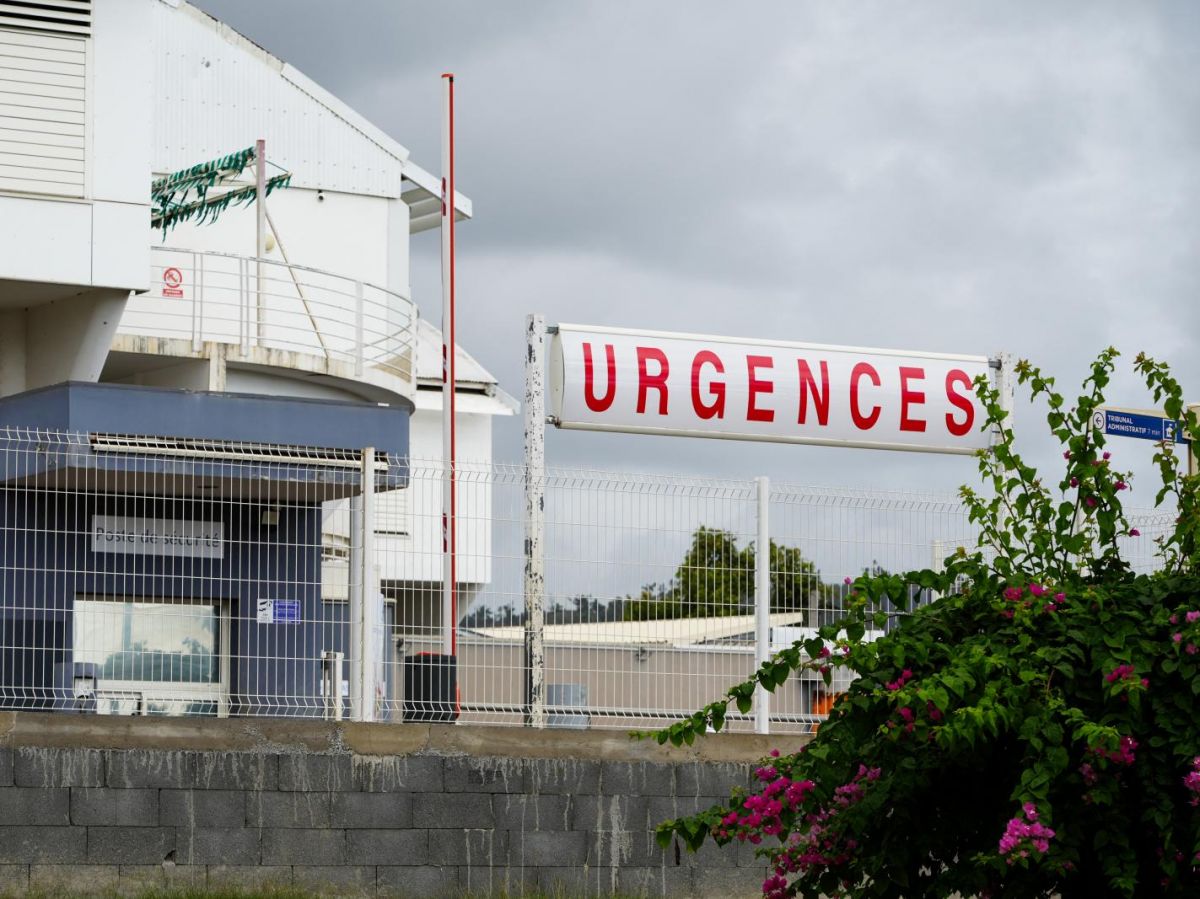
However, given the archipelago's geographical location in the Indian Ocean, the government decided "the alert" Sunday, from the prefecture and the Regional Health Agency, "as well as the strengthening of health surveillance."

The Mayotte hospital center and other healthcare stakeholders "have been mobilized in order to prepare, if necessary, for the safe care of patients and the protection of healthcare professionals."
Read alsoEbola: WHO issues international alert in response to outbreak in DRC
More than 15,000 deaths in Africa over the last 50 years
The state services (Armed Forces, Foreign Affairs, Interior) will, for their part, proceed with a "Strengthening controls related to the arrival of migrants from East Africa, the Great Lakes region and the Comoros", and ensure the "Good cooperation" between the countries in the zone.
Read alsoEbola and hantavirus: the world is living in a "dangerous and divisive" era, warns the WHO
The French government also advises travelers who cannot postpone their trip to the affected countries to "protect during" their journey and " After ". Ebola causes a highly contagious hemorrhagic fever. The virus has killed more than 15,000 people in Africa over the past 50 years.
 English
  French