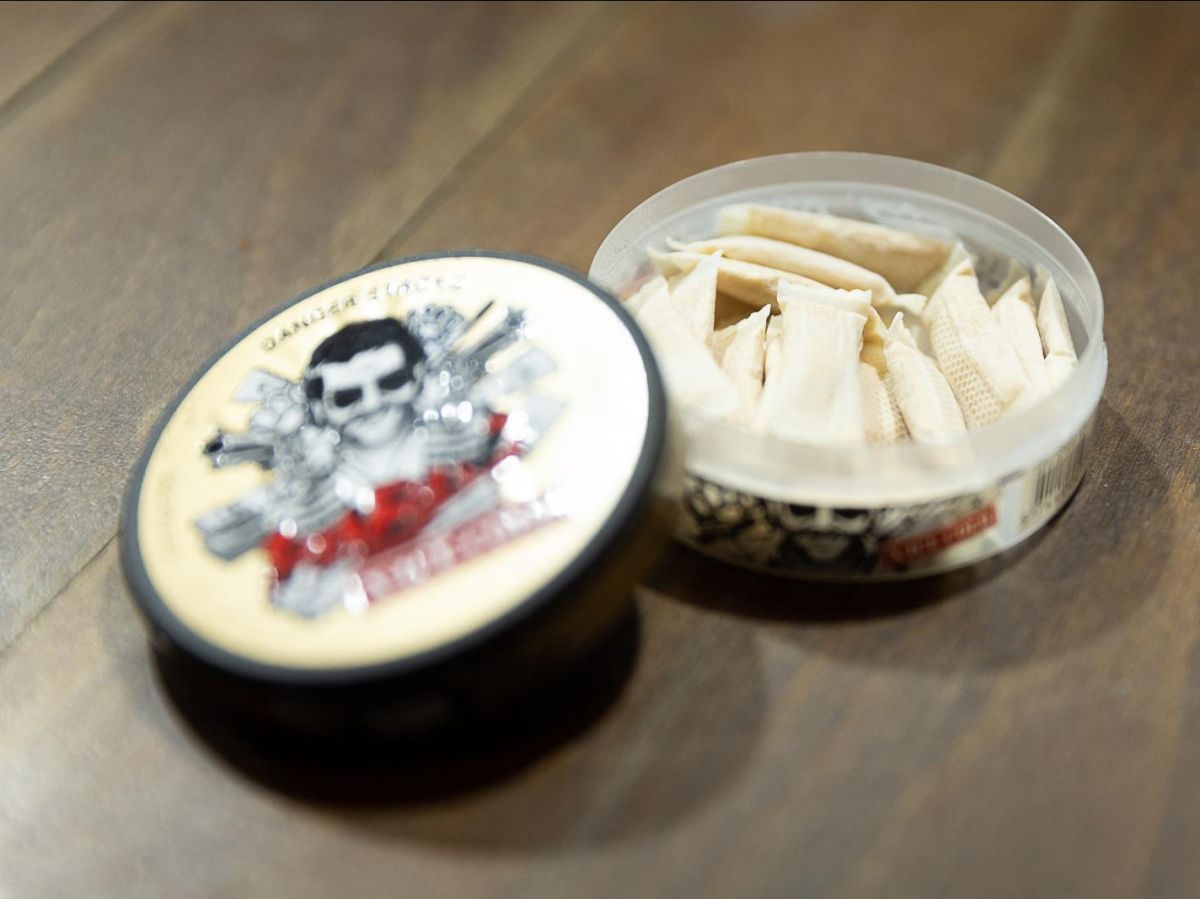
The World Health Organization (WHO) warned, in a report published on May 15, 2026, against the increase in the consumption of nicotine sachets worldwide, denouncing the aggressive tactics of the tobacco industry to attract young customers. These small nicotine sachets, which release nicotine through the oral mucosa once placed between the gum and lip, are rapidly reshaping the global market for tobacco and nicotine products, according to the WHO report.
“ Governments are observing a rapid spread of these products, particularly among teenagers and young people who are aggressively targeted through deceptive marketing tactics." says Etienne Krug, head of the WHO's Department of Determinants of Health, Promotion and Prevention. The products, which contain nicotine and sweet flavorings, " are designed to be addictive" he warned in a statement.
Often presented as " modern" , " discreet " And " tobacco-free"These nicotine sachets are spreading so rapidly that countries are struggling to keep up with the pace of regulation," the WHO points out in its first report on these sachets, also known as "pouches."
$7 billion
More than 23 billion nicotine sachets were sold in 2024, 50 % more than the previous year. The global market for "pouches" is expected to reach nearly $7 billion by 2025.
Sales are highest in North America, where they are also experiencing strong growth. According to the WHO report, a popular brand of nicotine pouches distributed in only about 9,000 outlets in the United States in 2017 was expected to be available in 150,000 stores by 2024.
Nicotine sachets are also very popular in European countries such as Germany, Poland and Sweden, and their growth is expected to be rapid in other countries, such as Pakistan, according to the WHO. “ This is not just a market trend; it is a rapidly evolving public health challenge." , supports Vinayak Prasad, head of the tobacco control campaign at the WHO.
The WHO has revealed that nicotine is " highly addictive "and that it is particularly harmful to young people, whose brains are still developing.
Sweet flavors
The report denounces the commercial strategy of manufacturers to attract young people, with attractive packaging, sweet flavors or the promotion of these products by influencers on social networks. He also denounces certain advertising messages promoting consumption discreet "Nicotine sachets, allowing them to escape the vigilance of parents or teachers, with slogans like" Forget the rules" , Or " Anytime, anywhere“.
Mr. Prasad criticizes the misleading communication of companies, which present the " pouches "as less dangerous than traditional cigarettes, or even as a tool to help smokers quit. “ Nicotine sachets are not risk-free products and should not be marketed in a way that creates a new generation of addicts." he concludes.
“ The marketing of nicotine pouches today looks a lot like what we saw 10 years ago, before the youth vaping epidemic exploded" , underlines Jorge Alday, director of the anti-tobacco NGO STOP, in a statement sent to AFP.
In its report, the WHO urges countries to strengthen their regulations to address this problem, noting that around 160 countries do not have specific rules to regulate the sale and consumption of nicotine bags, and that only 16 prohibit their sale.
 English
  French