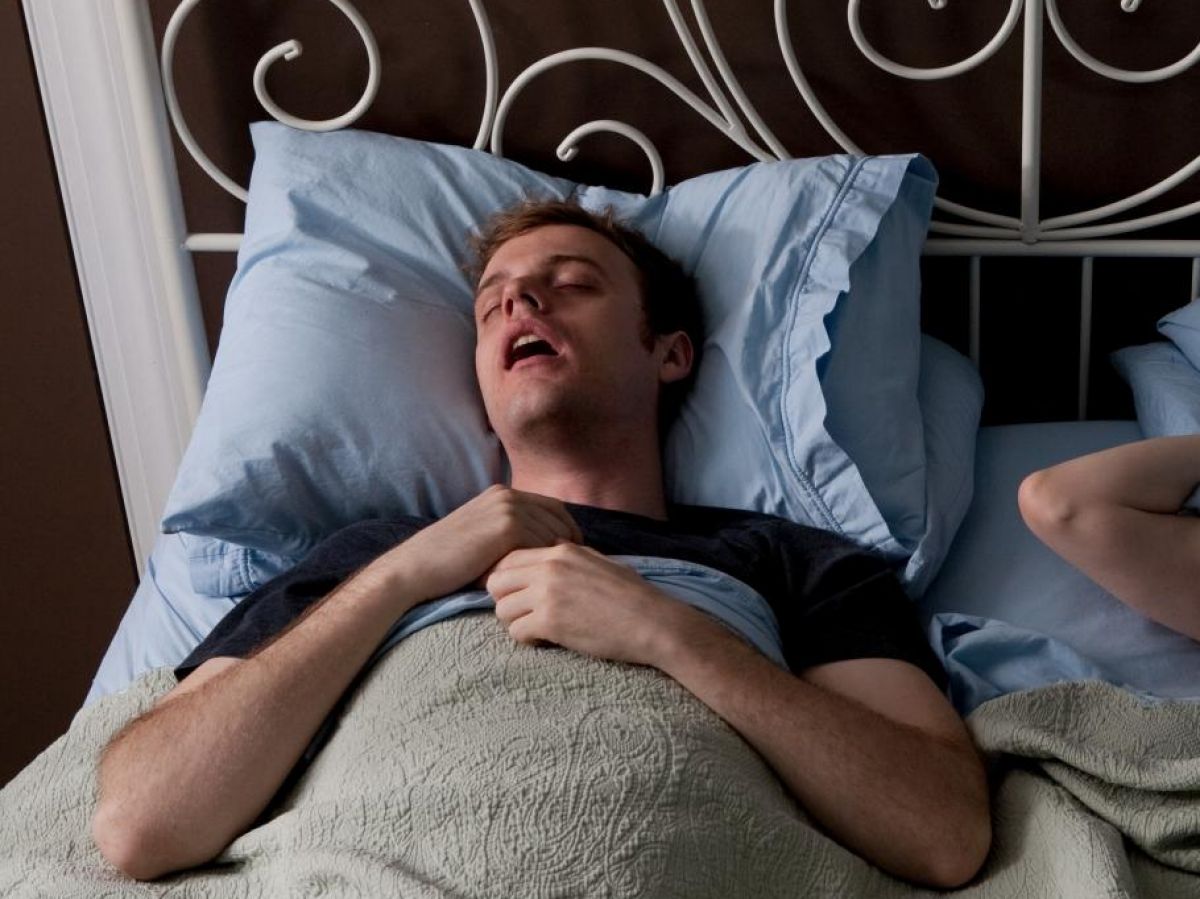


With the smartphone in airplane mode, taped to the chest over pajamas, the patient falls asleep. Integrated into the phone, the gyroscope, microphone, and accelerometer detect their movements, breathing, heartbeat, and snoring. These parameters are all necessary and sufficient for the Apneal app's artificial intelligence to make an initial diagnostic assessment of their sleep apnea. Stored on secure European servers, not on the phone itself, the patient's data can then be shared with their doctor if they wish.
Smartwatches and rings, sensors to wear on the body or in bedding—medical devices capable of detecting sleep apnea with varying degrees of accuracy have proliferated since 2020. But Apneal, from the company of the same name, is the first to use no other devices than the basic sensors found in all smartphones, provided the app is downloaded. According to the results of the Apneal EASY study, conducted in nine hospitals (six French, one German, and two Spanish), the results are very close to those of the gold standard hospital examination, polysomnography. The results of the Apneal EASY study, not yet published, were presented at the 2025 congress of the French Society for Sleep Research and Medicine (SFRMS), which took place from November 19 to 21, 2025, in Strasbourg.

 English
  French