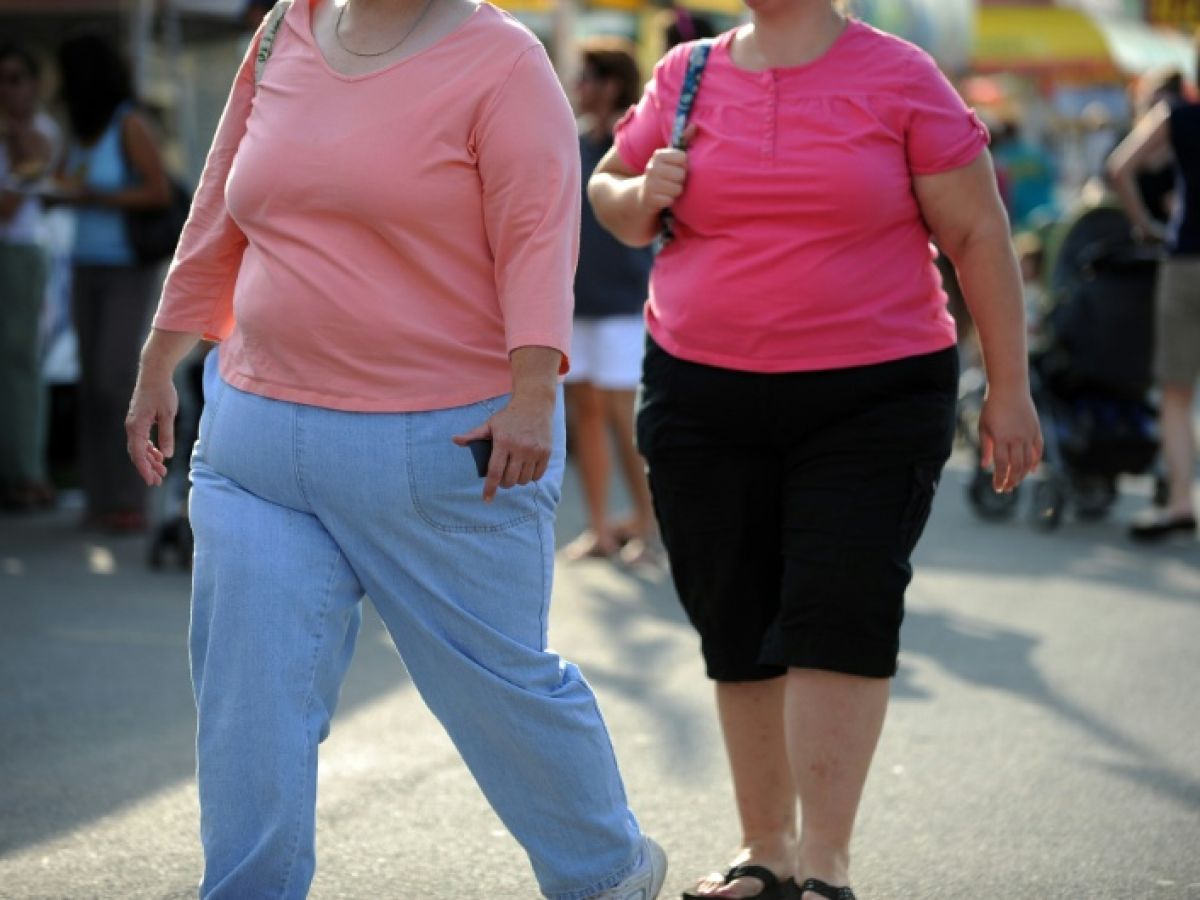
When obesity treatments are stopped, weight regain is four times faster than after stopping a diet and exercise program, concludes a large British study published Thursday, highlighting the negative effects of significant initial weight loss as well as the limitations of medication alone. The new generation of diabetes and obesity treatments, which enhance the action of a hormone that affects insulin secretion (GLP-1, short for gluco-like peptide-1) and, more broadly, the feeling of satiety, has become extremely popular in recent years in wealthier countries.
"About half of people stop taking these medications within a year."
The World Health Organization even added it to its list of essential medicines last September, while calling for cheaper, generic versions for populations in developing countries. These treatments have notably been shown to help people lose between 15 and 20 pounds.
"All of this seems to be good news.", observed Susan Jebb, a public health nutrition specialist at Oxford University and co-author of the new study published in the medical journal BMJ. But recent data suggest that"About half of people stop taking these medications within a year," she pointed out during a press conference.
This could be explained by common side effects, such as nausea, or by very high costs, which can exceed $1,000 per month for some patients in the United States, even though prices have started to decrease for others. After reviewing 37 studies on discontinuing various weight-loss treatments, researchers found that participants regained approximately 0.4 kg per month.

Patients typically regain their initial weight within 18 months.
Six of the clinical trials focused on semaglutide, the active ingredient in Ozempic, indicated for type 2 diabetes, and in the anti-obesity drug Wegovy from the Danish pharmaceutical giant Novo Nordisk, as well as on tirzepatide, used in Eli Lilly's Mounjaro. While taking these two drugs, participants in these trials lost an average of nearly 15 kilograms. After stopping treatment, they regained 10 kilograms within a year – the longest follow-up period for these relatively new medications.
And, according to a projection by the researchers, patients will regain their initial weight on average in 18 months. Cardiovascular indicators, including blood pressure and cholesterol levels, returned to their original levels after 1.4 years. Meanwhile, those who followed programs combining diet and physical activity, without medication, lost significantly less weight. However, it took them an average of four years to regain the lost weight.
In other words: consumers of slimming drugs regained their weight four times faster.
Read alsoObesity: Discovery sheds light on decades-old mystery
"One might expect that these treatments would need to be continued for life."

As a general rule, "Significant weight loss tends to lead to faster weight regain." Sam West, lead author of the study, from Oxford University, explained. But weight gain is, according to a separate analysis, "systematically faster after taking medication, regardless of the initial weight lost," he added.
One possible explanation is that people who have learned to eat healthier and exercise more continue to do so even when they regain weight. If GLP-1 type medications "They constitute a truly valuable tool in the treatment of obesity, which is a chronic, recurring disease." Susan Jebb emphasized this point. "One might expect that these treatments would need to be continued for life, like medications for hypertension."
This would have an impact on how national health systems assess the benefit of these drugs, the researchers warned. "This new data clearly shows that they are a starting point, not a cure." “A lasting treatment will likely require combined approaches, longer-term strategies, and therapies that reshape how the brain interprets energy balance, not just the amount of food ingested,” responded Garron Dodd, a metabolic neuroscientist at the University of Melbourne, who was not involved in the study.
 English
  French