On the first day Monday of the strike by general practitioners – expected to escalate and last ten days – activity fell by 15% among general practitioners compared to "usual activity", and that of specialists by 6%, the Minister of Health indicated on Wednesday.
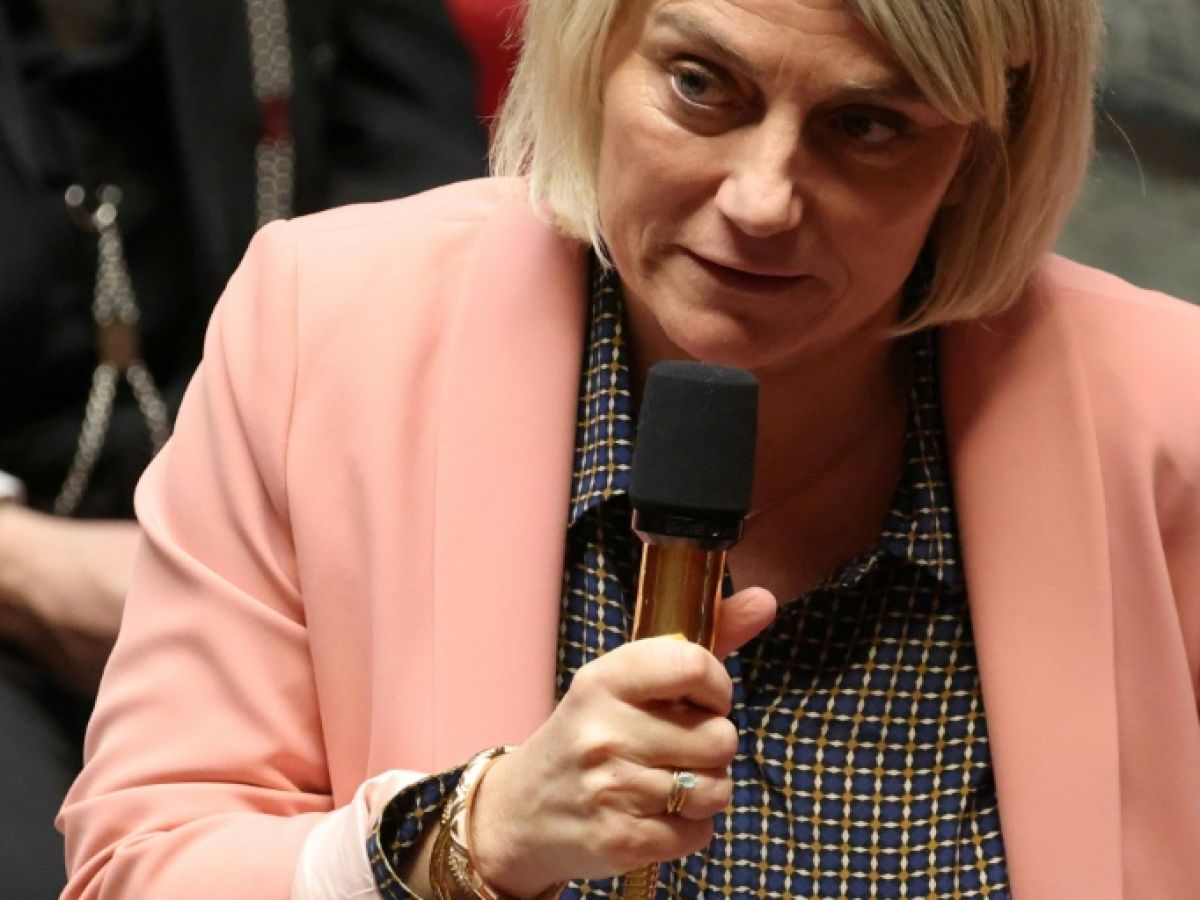
Health Minister Stéphanie Rist communicated this data to the senators during the question period in the government, and then in more detail in a message posted on the social network "X".
These figures correspond to the volume of electronic health insurance claim forms transmitted electronically on Monday to the Health Insurance system by doctors, compared to the same Monday last year, the Ministry of Health told AFP.
Patients without solutions are turning to the emergency medical services (SAMU), which have been particularly busy, "in a context of tension marked by winter epidemics and bad weather," with an increase of "24,130 calls recorded this week compared to the week of December 8," Ms. Rist also indicated on "X."

On Tuesday, the leading emergency medical union, Samu urgences de France, had warned of "an increase of 30% to 50% of calls" to Samu-SAS (Service d'accès aux soins, which combines Samu and general medicine to answer calls to 15).
General practitioners in private practice and clinics, unhappy with certain measures contained in the Social Security financing law and the draft law against fraud, have launched a ten-day strike, planned to gradually intensify and move towards a "total closure" of private operating theaters this weekend.
They also fear a challenge to their freedom of establishment, which is the subject of legislation currently being examined in parliament.
But in the Social Security financing law, "there is no questioning of the freedom of establishment. I hear talk of a quota of sick leave, it does not exist," argued Stéphanie Rist on Wednesday before the Senate.
In this text, following the rejection of several articles and amendments by parliament, there are no longer "sanctions if the shared medical file is not completed" nor "taxation of sector 2" (doctors contracted with Health Insurance, who practice excess fees, editor's note), she argued.
It is "a compromise text, (...) which was voted on," she stressed.
"The dialogue is not broken, I hear the fears and concerns of the doctors, the door is open, we must strengthen this dialogue," she concluded.
 English
  French