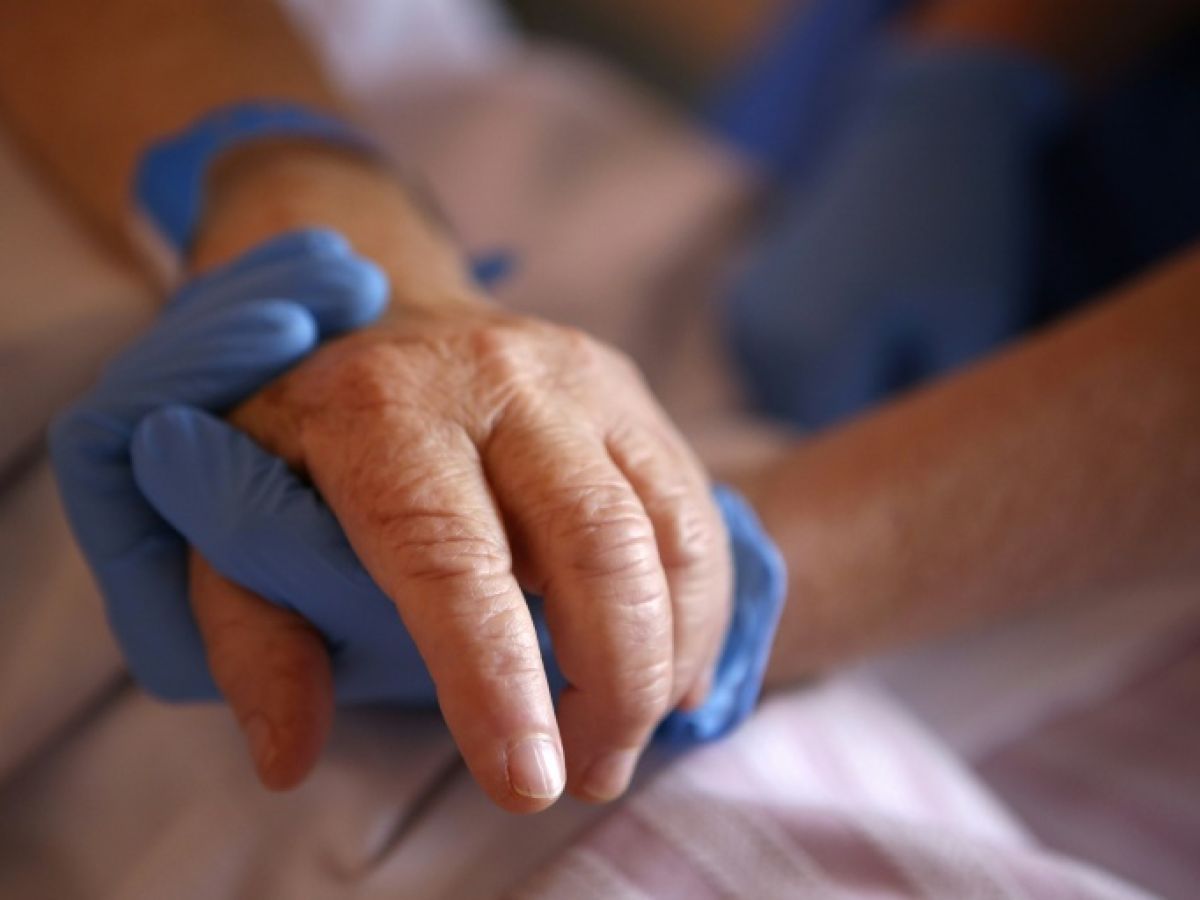
On Wednesday, MPs adopted for the second time, by 299 votes to 226, the bill creating a new right to assisted dying, a major societal reform that has been under discussion for years and must now be examined again in the Senate.
The general rapporteur of the text, Olivier Falorni (MoDem group), immediately had words for the sick and their loved ones: "Today, we tell them that we have heard them and that they will finally have, in our country, the right to be able to leave in peace, in freedom and out of humanity," he declared in the chamber, very moved and with a trembling voice.

The Speaker of the Assembly, Yaël Braun-Pivet, reiterated her determination to allow a final adoption by the summer, although some consider this timetable very tight.
MPs supporting the reform defended a "balanced" text, for a "regulated" right. Opponents argued that it was not a "last resort" law. It "will also affect people with several years to live," declared Philippe Juvin (LR), in a passionate speech from the podium.

“We have been debating this for three years, French society has been considering this issue for three years,” retorted Julie Laernoes (Green Party). “Today, the time is right.”
No group had imposed any voting instructions on a subject deemed sensitive.
In its first reading in May, the text was adopted by 305 votes against 199. The new votes against come in particular from the LR, Horizons and MoDem groups.
This progress "demonstrates a growing awareness of the serious consequences that this text could have," reacted the Catholic Family Associations (AFC).
– Method of administration –
All political groups, however, agreed on the need to develop palliative care. A first text on the subject was unanimously adopted on Wednesday, notably providing for the creation of "support and palliative care homes," intermediate between home and hospital.
The "enforceable right" to palliative care has, however, been abolished, with its detractors citing the risk of litigation it would entail.
Before the vote on the second bill, concerning assisted dying, certain divisive points were put to a second vote. The Assembly revisited amendments, sometimes adopted by a narrow margin, which provided for the free choice of the method of administration of the lethal substance.
Several elected officials had stated that they could no longer support the text if this change was maintained.
The Assembly has therefore decided to make self-administration of the product the rule and administration by a healthcare professional the exception. The text stipulates that the patient must administer the product themselves unless they are "physically unable to do so," in which case a doctor or nurse will administer it.
“This recovery is good news,” welcomed Agnès Firmin-Le Bodo (Horizons). “But I want to say that this balance remains fragile. It almost tipped in this chamber and it could tip again.”
The Association for the Right to Die with Dignity (ADMD), on the other hand, regretted the removal of this "advance" which allowed "individual freedom".
– Incitement offense –
The MPs also voted again on the characterization of "suffering" which opens the possibility of requesting assistance in dying.
The text stipulated that the patient must present "physical or psychological" suffering, but, at the initiative of the government, the deputies removed this notion, specifying that "psychological suffering alone cannot in any case allow one to benefit from assisted dying".
Mr. Falorni lamented "a hierarchy of suffering".
The proposed law has ultimately changed very little compared to the first reading.
The collegial procedure for processing the application and the conscience clause for healthcare workers have been validated.
Some have tried, in vain, to replace the term "aid to die" with "assisted suicide" and "euthanasia," or to remove the existing offense of obstruction. However, an offense of incitement has been added.
The legislative process for this bill is far from over. It must return to the Senate in April, which rejected it outright in its first reading. The government will then likely have to give the final say to the National Assembly.
This would require a meeting to try to reconcile senators and deputies, and, after a probable failure, a new examination in each chamber and then a final reading in the Assembly.
 English
  French