
There " priority »"of this 2026-2027 campaign remains of "« protect the most vulnerable populations«", the elderly, those with chronic illnesses or who are immunocompromised, or pregnant women, health authorities remind us.
If there are any "« While there has been encouraging progress, we are still too far from the necessary levels of protection.«" , observed the Director General of Health, Grégory Emery, on Thursday, October 8, alongside officials from Public Health France, the Health Insurance and the Medicines Agency.
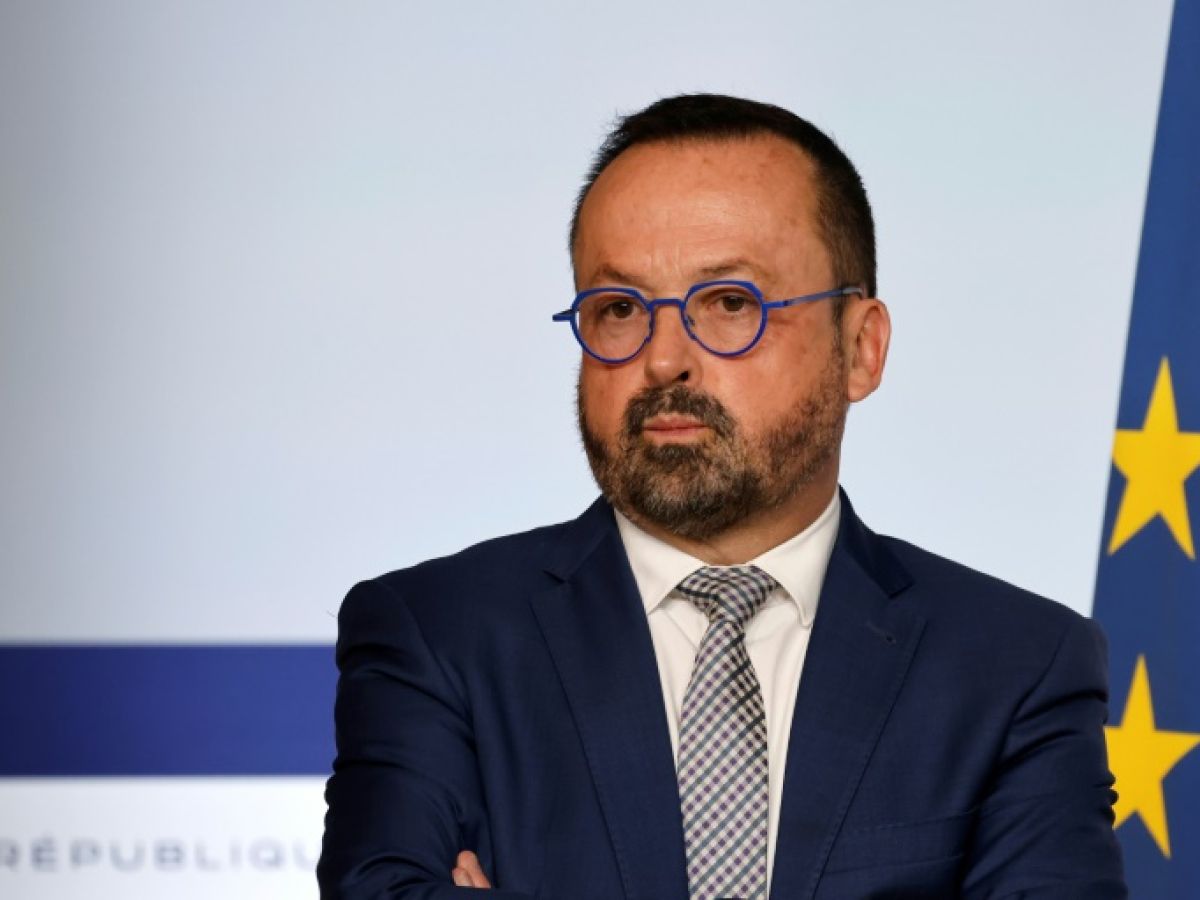
“ Every winter brings its share of epidemics, sometimes with surprises regarding their intensity or impact on the healthcare system, but we have ways to act." he insisted.
In addition to preventative measures such as masks, ventilation and hand washing, vaccination remains crucial to reduce severe forms, complications and associated deaths as well as hospitalizations.
However, neither the elderly and vulnerable nor caregivers are getting vaccinated against the flu sufficiently, a trend aggravated by the crisis stemming from Covid, a study by SpF confirmed in mid-September.
COVID vaccination reimbursed for all
The new campaign, which will end in late January 2027, primarily targets the most at-risk French citizens and healthcare professionals who are frequently in contact with them. An annual vaccination requirement for healthcare workers is also being prepared – the regulatory texts are expected by the end of the first quarter of 2027.
This season, 15 million doses of flu vaccine will be available to doctors, pharmacists, nurses, and midwives, about one million more than last season. The number of available vaccines remains at five, with two more specifically recommended for seniors (Efluelda from Sanofi and Fluad from Seqirus).
As for Covid, the vaccine remains reimbursed for everyone, even beyond the targeted groups.
Vaccination will begin even before the flu epidemic has started in France.« For now, traffic is moderate«,” noted Etienne Pot, interim director general of SpF, on Thursday. “And the variants at work are better known than last season, but this can change.”.
In 2025-2026, the flu epidemic was still very severe, with 12,700 deaths, and put a heavy strain on hospitals, while Covid had only a minor impact.
Covid, which triggered an epidemic wave in late August and early September« which decreases year after year" , " becomes a virus with a less significant evolution"nte" but "circulates all year round", pointed out Etienne Pot.
This year again, health authorities have maintained the coupling of flu and Covid vaccinations, not deeming it necessary to bring the latter forward.
Read also The Academy of Medicine recommends mandatory flu vaccination for healthcare workers.
«"False information plays into the loss of trust, and fewer vaccinations mean more deaths."»
This autumn, the French are being encouraged to get vaccinated.« As soon as possible in October, because we don't know when the viruses will start circulating actively.«", urged Gregory Emery.
Access to care, risk perception, adherence to vaccination: several factors can be obstacles.
Among the levers for "« increase vaccination opportunities and strengthen coverage for the most vulnerable people«"Private doctors, nurses and midwives, as well as health centers, will now be able to have a stock of flu and Covid vaccines, after purchasing the doses from pharmacies.
The health insurance system, which sent invitation vouchers to at-risk groups, will send reminders, by email and SMS, to unvaccinated people a few weeks after the start.
Telephone advisors will also call 250,000 insured people invited for the first time to get vaccinated and in a vulnerable situation, including beneficiaries of the Solidarity Complementary Health Insurance or people without a general practitioner, said Catherine Grenier, medical advisor of the Cnam.
In a context sometimes marked by distrust, or even misinformation, it is also necessary to "« create the conditions for trust » in vaccination, with « reliable, understandable and transparent information«", judged Grégory Emery.
“ Misinformation fuels a loss of trust, and fewer vaccinations mean more deaths.«" he exclaimed.
 English
 French