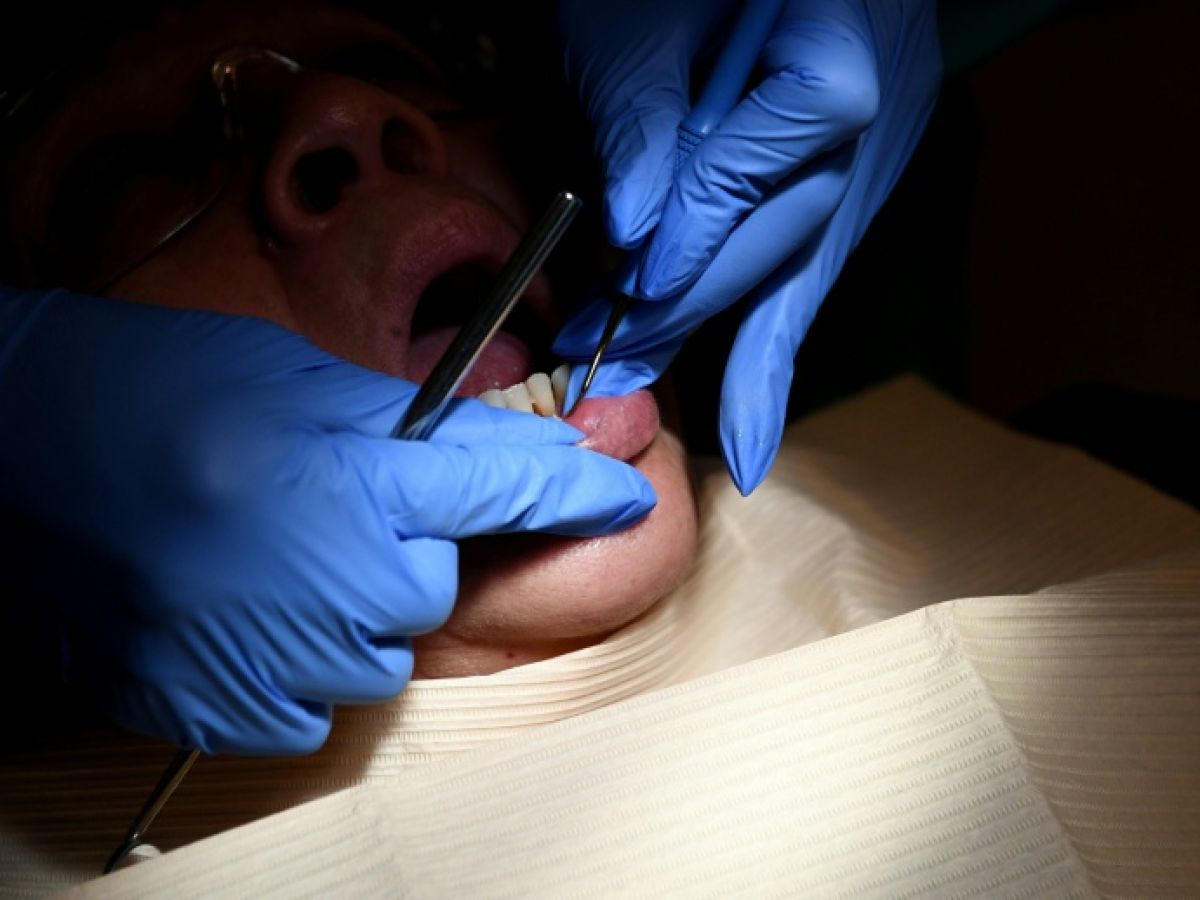
Faced with a still high number of French people suffering from poorly treated cavities, particularly among children and people struggling to access care, the High Authority for Health recommends on Thursday reimbursing four types of treatments.
The procedures in question are the removal of cavities, the placement of a sealing material, partial root canal treatment, and the placement of a prefabricated crown on baby teeth. The French National Health Insurance (Assurance Maladie) had been asked by the HAS (French National Health Insurance Fund) to assess the benefits of reimbursing these procedures.

In France, "approximately 301% of 6-year-old children (up to 501% in disadvantaged areas) and 251% of 35-44 year-old adults have at least one untreated cavity, with unequal access to care depending on age, territory and socio-economic level," explains the independent health authority.
Besides causing prolonged pain and local infections, untreated cavities can lead to complications in cases of chronic illness (cardiovascular disease, diabetes, cancer, etc.). And tooth loss, in addition to being an "aesthetic and social handicap," can eventually lead to nutritional deficiencies.
Some people – those with disabilities or elderly people living in institutions and experiencing difficulties getting around, pregnant women, very young children – are “particularly vulnerable”.
However, at each stage of a cavity, treatment is possible, sometimes allowing the tooth to be preserved in the long term.
The HAS, whose opinions are generally followed by the Ministry of Health, is therefore in favor of reimbursement by Health Insurance for the removal of caries via manual instruments – but not rotary ones like the bur – followed by the filling of the cavity with an adhesive dental material.
It also approves the application of a sealant to a small, incipient cavity, and the removal of part of the pulp from a decayed tooth, accompanied by the application of a protective and regenerative biomaterial.
The HAS also recommends reimbursement for the fitting of a prefabricated adaptable crown on a baby tooth, particularly with a bonding technique.
While the preventive approach is gradually gaining ground in France, the goal in oral health is to avoid problems from a young age, and then to quickly halt the progression of cavities through minimally invasive and conservative interventions. The hope is also to limit, in the long term, the need for more traumatic and costly treatments (dentures and implants).
 English
  French