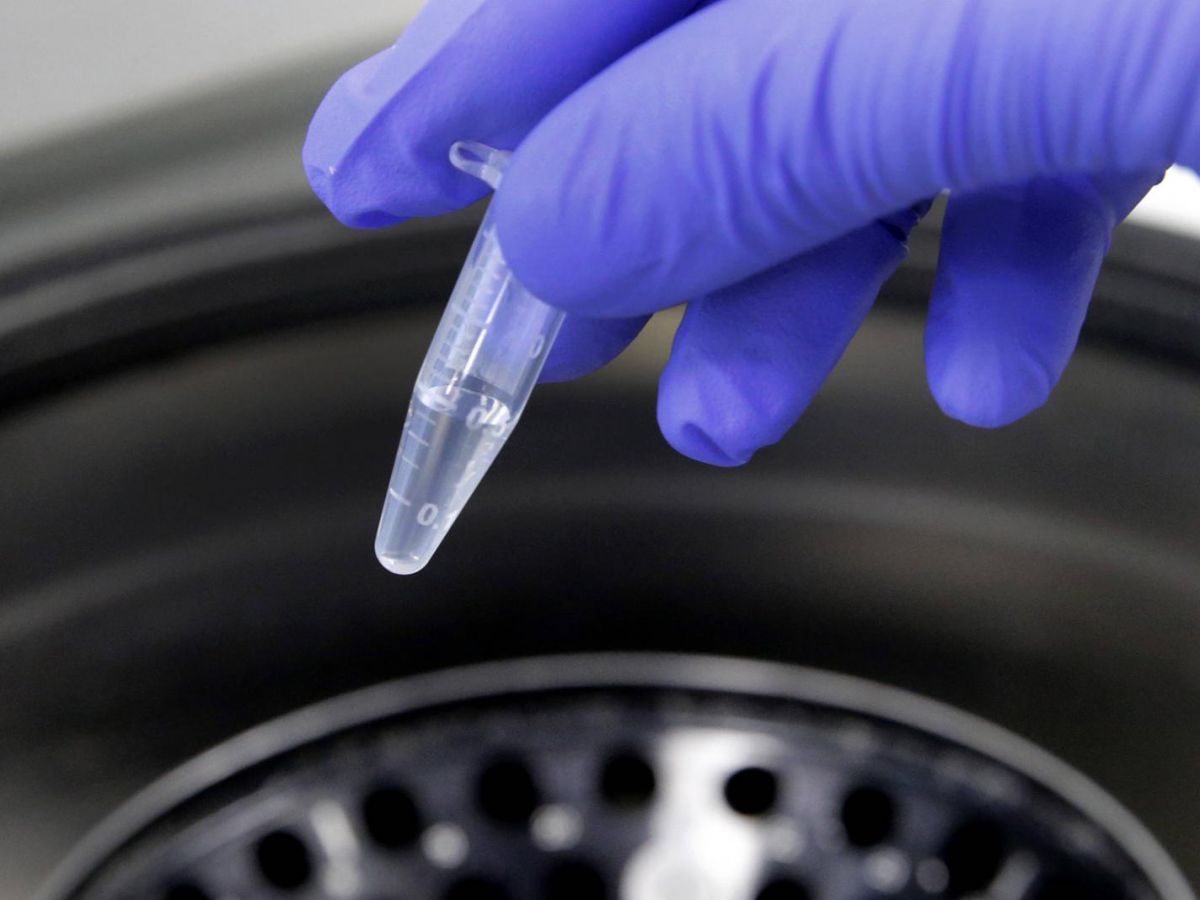
For the past three years, INRAE (the French National Research Institute for Agriculture, Food and the Environment), in collaboration with AP-HP (Paris Hospitals), has been receiving and analyzing stool samples from participants across France. To date, 30,000 donations have been collected (out of the 100,000 targeted by 2029), 5,000 of which have been sequenced, allowing researchers to identify intestinal microorganisms and their roles. This large-scale study, called The French Gut, aims to establish a characterization of the microbiota of the French population.
The microbiota as a mirror of health
Research on the microbiota is increasing and revealing close links not only with digestion, but also with immunity, the neurological disorders and cancers. Regarding the microbiota, we are at the beginning of the story. We want to answer a burning question: is the microbiota a central factor in many pathologies, or not? And if so, which ones?"That sums it up," explains Professor Robert Benamouzig, head of the gastroenterology department at Avicenne Hospital AP-HP and coordinator of the project. "But to answer this question, it is necessary to establish reference maps in order to compare an individual's microbiota to that of the general population."
Each fecal sample is accompanied by a questionnaire on lifestyle and dietary habits, allowing researchers to link an individual's diet and environment to their microbiota and overall health. This data is particularly valuable in the current context marked by the rise in chronic diseases (high blood pressure, digestive disorders, asthma, etc.).
Initial results from 5,000 sequenced samples
Thus, the initial findings of this study are as follows: first, a loss of microbial diversity is observed in participants suffering from chronic illness, and this loss intensifies when multiple illnesses are present. Furthermore, even without illness, stress and digestive disorders are associated with a depleted microbiota. Conversely, volunteers with healthier lifestyles (physical activity, balanced diet, low alcohol and tobacco consumption) exhibit a rich and diverse microbiota.
However, a dilemma remains: is this loss of diversity a cause or a consequence of disease? Taking medication, for example, can impact gut bacteria populations. We must take these confounding factors into account to fully understand the role of the microbiota in different diseases.” explains Patrick Veiga, director of the project at Inrae, who is counting on the project to elucidate the question.
Include children and teenagers in the mapping
Among the 30,000 respondents, some typical profiles are underrepresented: young men, seniors over 70, people living in disadvantaged areas, and especially children, since data collection until now had been limited to adults. While numerous studies have examined the microbiota of children aged 0-3, knowledge concerning those aged 3 to 17 remains very limited.
This "critical period" is an age of transitions, both physiologically, hormonally and behaviorally, which it is essential to study, according to Dr. Alexis Mosca, a specialist in digestive diseases at Robert Debré Hospital (AP-HP).
The call for volunteers is therefore being extended to children aged 3 to 17, healthy or ill, throughout France, with the aim of collecting samples from 10,000 young people by 2029. With French Gut Kids, we are taking a new step: exploring the dynamics of the microbiota in children and adolescents, in order to act early and more effectively on the health of tomorrow. declares Professor Robert Benamouzig.
This new research area should help us understand the gradual development of the microbiota, the transmission of bacteria from parent to child, and the links with common childhood illnesses (allergies, asthma, intestinal or psychiatric disorders). In parallel, the project aims to raise children's awareness of the impact of the microbiota on health and the importance of nutrition, as demonstrated by the program presented on the website. frenchgut.fr. Some volunteer parents may encourage their children to participate in the collection, or conversely, the curiosity of the youngest could motivate their parents to get involved in the process, the project researchers believe.
 English
  French