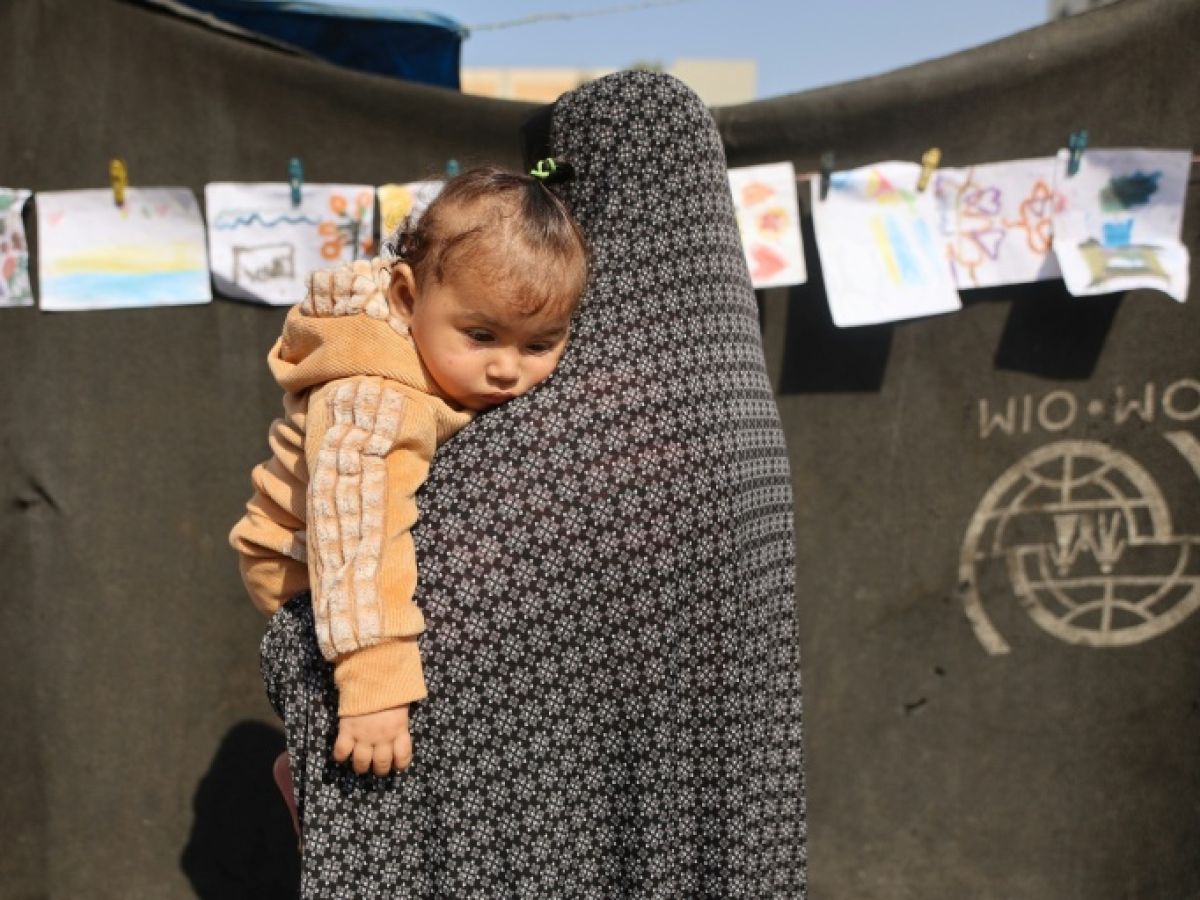
Malnutrition among pregnant or breastfeeding women in Gaza is having "devastating effects on thousands of newborns," UNICEF warned on Tuesday, noting a worrying increase in the number of low birth weight babies in the territory.
In Gaza, "the situation is clear: malnourished mothers give birth to premature or low-weight babies, who die in neonatal intensive care units (...) or survive, only to suffer from malnutrition or medical complications," said Tess Ingram, a spokesperson for the UN Children's Fund (UNICEF), speaking from Gaza during a press briefing in Geneva.
In 2022, before the start of the Israeli offensive following the Hamas attack on October 7, 2023, 250 babies per month, or 5% of newborns, were born in Gaza with a low birth weight, that is, less than 2.5 kilograms, according to the local Ministry of Health.
In the first half of 2025, despite a decline in births, the proportion of low birth weight babies stood at 101 per 300,000 live births, or about 300 babies per month. And in the three months preceding the ceasefire, from July to September, this figure climbed even further, reaching an average of 460 babies per month, or 15 per day, UNICEF points out.

Low birth weight is generally due to poor maternal nutrition, increased maternal stress, and inadequate prenatal care. "In Gaza, we are seeing all three of these factors, and the response is too slow and insufficient," Ms. Ingram emphasized.
Between July and September of this year, approximately 38% of pregnant women examined by UNICEF and its partners received a diagnosis of acute malnutrition.
"In October, we admitted 8,300 pregnant and breastfeeding women for treatment for acute malnutrition – about 270 per day – in a region where no cases of malnutrition had been observed in this group before October 2023," the spokesperson continued, noting that mothers often sacrifice their meals to feed their children.
"In hospitals in Gaza, I met several newborns weighing less than one kilogram, their small chests rising and falling with the effort to survive," she further reported, adding that low-weight infants, requiring special care, are "about 20 times more likely" to die than others.
According to UNICEF, the number of babies who died on the first day of their lives in Gaza increased by 75, rising from an average of 27 babies per month in 2022 to 47 babies per month between July and September 2025.
Furthermore, "at least 165 children are believed to have died suffering from malnutrition during the war" in Gaza, the spokesperson added.
Ms. Ingram on Tuesday lamented the "obstacles imposed by the Israeli authorities which have prevented the delivery of certain essential medical products to the Gaza Strip," and called in particular for the opening of the Rafah crossing point to the circulation of humanitarian trucks.
 English
  French