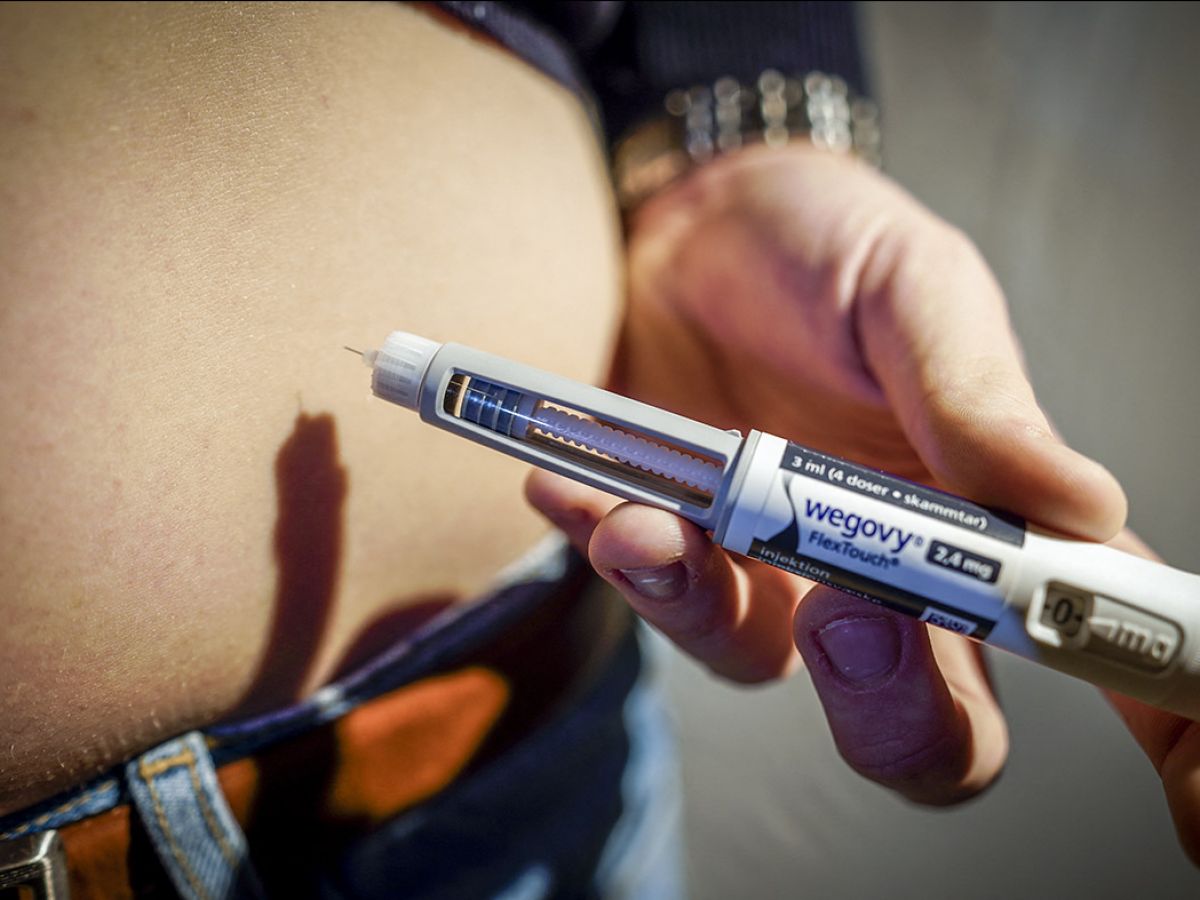
Semaglutide, one of the most emblematic anti-obesity molecules GLP-1, could be produced at a price accessible to poor and middle-income countries once its patent is lifted and generics are authorized, researchers estimate on March 6, 2026.
This molecule, currently marketed under the name Wegovy by the Novo Nordisk laboratory, could be produced at a cost of between $28 and $140 per year, according to an analysis made by researchers from Imperial College London, the University of Liverpool and the University of Witwatersrand in Johannesburg.
GLP-1 These molecules represent a major pharmaceutical development in recent years. Initially marketed as anti-diabetic drugs, they have now proven to be remarkably effective treatments for reducing obesity. However, their cost remains high, raising concerns about their affordability. In the United States, for example, Wegovy is marketed at approximately $200 per month.
Patents that will enter the public domain this year
The main patents for semaglutide are set to expire this year in several countries, including China, Brazil, India, South Africa, Turkey, and Mexico, paving the way for competition from generic versions, which are cheaper than brand-name treatments. In this context, an analysis published on March 6, which has not yet been published in a scientific journal, estimates that semaglutide could be produced at a cost starting at less than three dollars per month.
That " could enable large-scale treatment in low- and middle-income countries", emphasizes, in a press release, one of the researchers, Professor François Venter of the University of the Witwatersrand. Medicines to treat HIV, tuberculosis, malaria, and hepatitis are available in low- and middle-income countries at prices close to the cost of production, saving millions of lives while allowing generic drug companies to generate sufficient profit to ensure a sustainable supply. We can replicate this medical success with semaglutide." he said.
Read alsoMajor discoveries: GLP-1, the all-purpose hormone
"150 countries in which no patent has been filed"
To make these estimates, the five authors of the analysis relied on 2024-2025 data from Indian exports of active pharmaceutical ingredients, incorporating packaging costs, taxation and an industrial margin.
They identified 150 countries in which no patent has been filed, which they believe means that theoretically, by the end of 2026, generic injectable semaglutide could be available in 160 countries representing 69% of people with type 2 diabetes and 84% of people with clinical obesity.
 English
  French