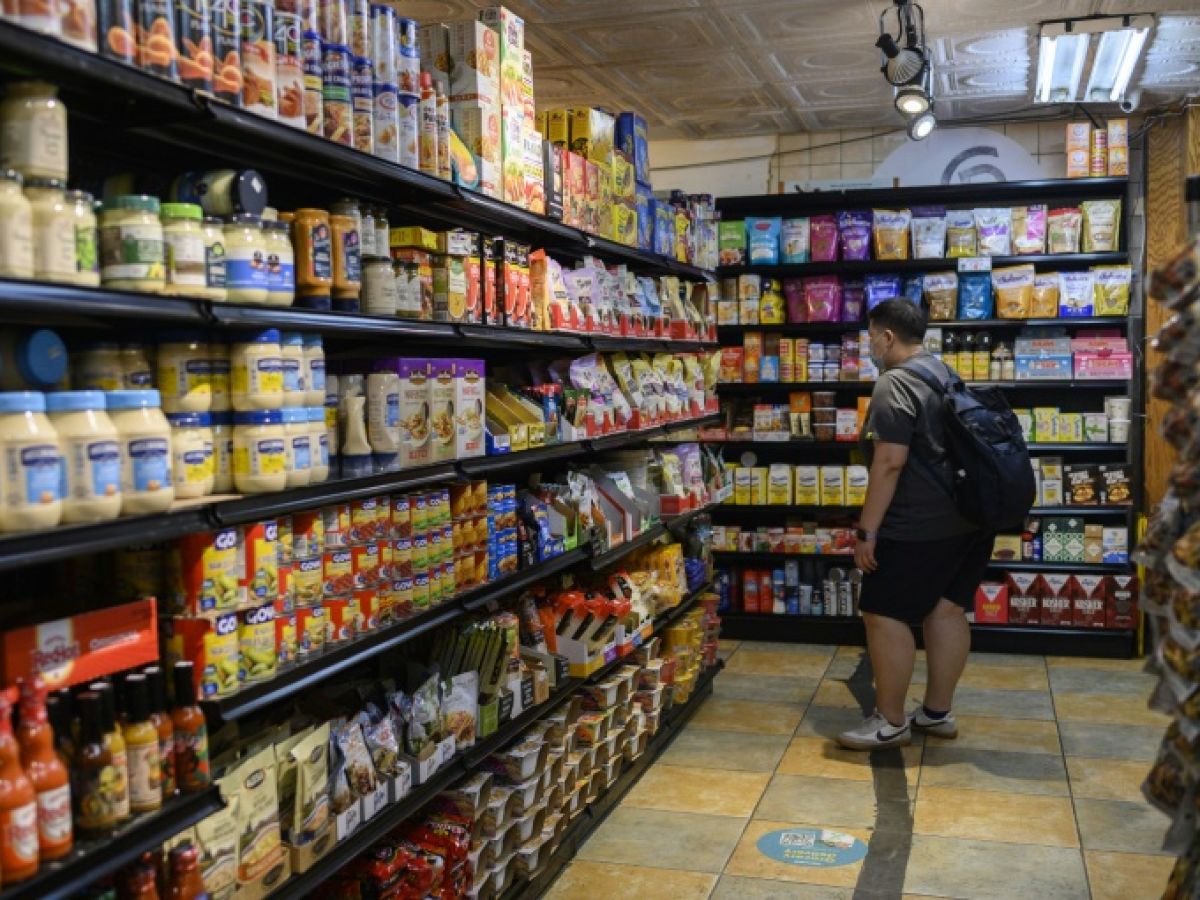
Ultra-processed foods pose a real threat to health, according to a large group of researchers who published a series of studies in The Lancet on Wednesday, also accusing the food industry of sowing doubt on the subject.
Industry leaders are using "tactics worthy of the tobacco industry" to discredit research on ultra-processed foods, said Chris van Tulleken, one of the lead authors of one of these studies, published by the major medical journal with the ambition of providing a definitive overview of the subject, at a press conference organized by The Lancet.
These three studies are part of a context where health concerns are increasing around ultra-processed foods, but where lively scientific controversies remain around the extent of the risks.
According to some scientists, the term ultra-processed foods, which broadly applies to products resulting from complex industrial processes and recombining various ingredients, covers a reality that is too vague, at the risk of causing alarm.

According to other researchers, these doubts are illegitimate given the current state of knowledge and are being exploited by the food industry to block any measures aimed at reducing the consumption of ultra-processed foods.
The authors of the Lancet studies clearly belong to this second camp. Among them is the epidemiologist Carlos Monteiro, creator of the NOVA system for determining whether a food is ultra-processed. This classification is widely used as a reference, but its methodology is not universally accepted.
Critics point out in particular that, according to Nova's definitions, products such as plant-based milks or bread could be classified as ultra-processed, even though they are widely considered healthy.
Mr. Monteiro is the lead author of the first Lancet study, which compiles around one hundred scientific studies to establish the current state of knowledge on the risks of ultra-processed foods. It concludes that their consumption is associated with multiple health problems, such as obesity and diabetes, as well as, more broadly, premature death.
– Ban advertising –
The authors acknowledge that there are "valid scientific criticisms" of Nova, but these pale in comparison to the destabilization campaign waged by the industry. They call for further studies to distinguish the effects of certain industrial processes, such as those that artificially flavor yogurts.
The second study reviews the consumption of ultra-processed foods and concludes that it already represents more than half of the calories absorbed in countries like the United States or the United Kingdom.
The third study examines the strategies of major food groups – the eight main ones being Nestlé, PepsiCo, Unilver, Coca-Cola, Danone, Fomento, Economico Mexicano, Mondelez and Kraft Heinz – accusing them of having aggressively promoted products made from low-quality ingredients for several decades.
Following this comprehensive overview, the researchers all conclude that there is an urgent need to take action against the consumption of ultra-processed foods, particularly by banning advertising aimed at children or by taxing certain of these products. The revenue generated could, according to the researchers, fund programs that improve access to fresh produce for the lowest-income households.
This extensive dossier has been rather well received by researchers who did not participate in it and who still have reservations about certain methodological points.
"It's clear that the authors of these studies are biased in favor of Nova since they created it," said Hilda Mulrooney, a nutritionist at Kingston University in London, stressing that we still largely don't know the precise mechanisms by which ultra-processed foods could harm our health.
But "it is high time to act" on these products, she acknowledged, citing their high cost "for individuals, health systems and public finances", while stressing that the poorest communities are the hardest hit with a "disproportionate" risk of chronic diseases.
 English
  French