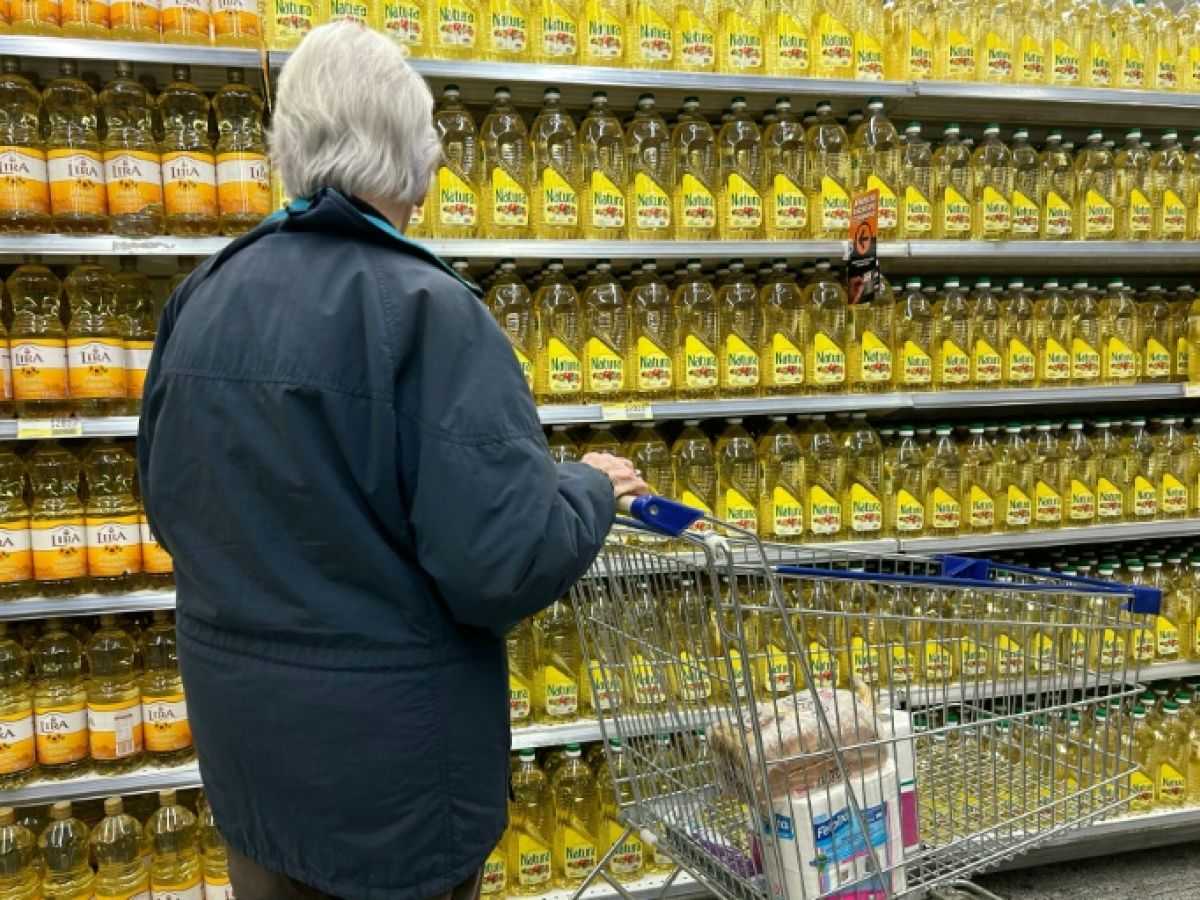
A parliamentary commission on the use of hexane, a chemical solvent used for extracting vegetable oils, recommends "immediately requiring information" for consumers on the use of this "very dangerous substance," in a report published Wednesday.
"Our main finding is that hexane is a dangerous product. (...) It is classified as neurotoxic to humans by the European Chemicals Agency (ECHA), toxic by inhalation and suspected of contributing to the development of diseases like Parkinson's," MP Richard Ramos (MoDem), co-author of the report with his colleague Julien Gabarron (RN), told AFP.
"At a minimum, we must inform the consumer and wait for the next scientific results to know whether it should be banned," he said, adding that he would prepare a "proposed law" to that effect.
The European Food Safety Authority (EFSA), at the request of the European Commission, deemed it necessary to reassess this substance, whose maximum residue limits (MRLs) were set in 1996 and have never been revised since. Its conclusions are expected in 2027.
Hexane is a solvent derived from petroleum distillation used to extract oil from oilseeds (rapeseed, sunflower, soybeans): cheap, it allows optimization of extraction to reach 97% of the oil contained in the seeds (compared to about 80% for mechanical pressure alone).
Hexane is then "removed at more than 99.9% from the crude oil and oilseed cake" (remains of the pressed seed rich in protein and used to feed livestock), which "cannot however prevent the presence of residues in food products", according to the parliamentary report.
For its part, the National Federation of Fats and Oils, which brings together the industry, emphasizes that "the residual levels are extremely low" and that "all analyses show compliance with the regulatory threshold which is set at one milligram per kilo — with the aim of excluding any risk to health."
The parliamentary mission, for its part, deplores the "incomplete and outdated" European regulations, which do not precisely define what hexane is. And regarding oilseed cakes, "there is no regulatory maximum content" and "no maximum residue limit" for "products of animal origin" such as milk or meat.
However, the report states, "alternatives exist" and "industry leaders stubbornly refuse to acknowledge them." It specifically cites the oil giant Avril, "whose representatives declined the rapporteurs' invitation to be heard."
 English
  French