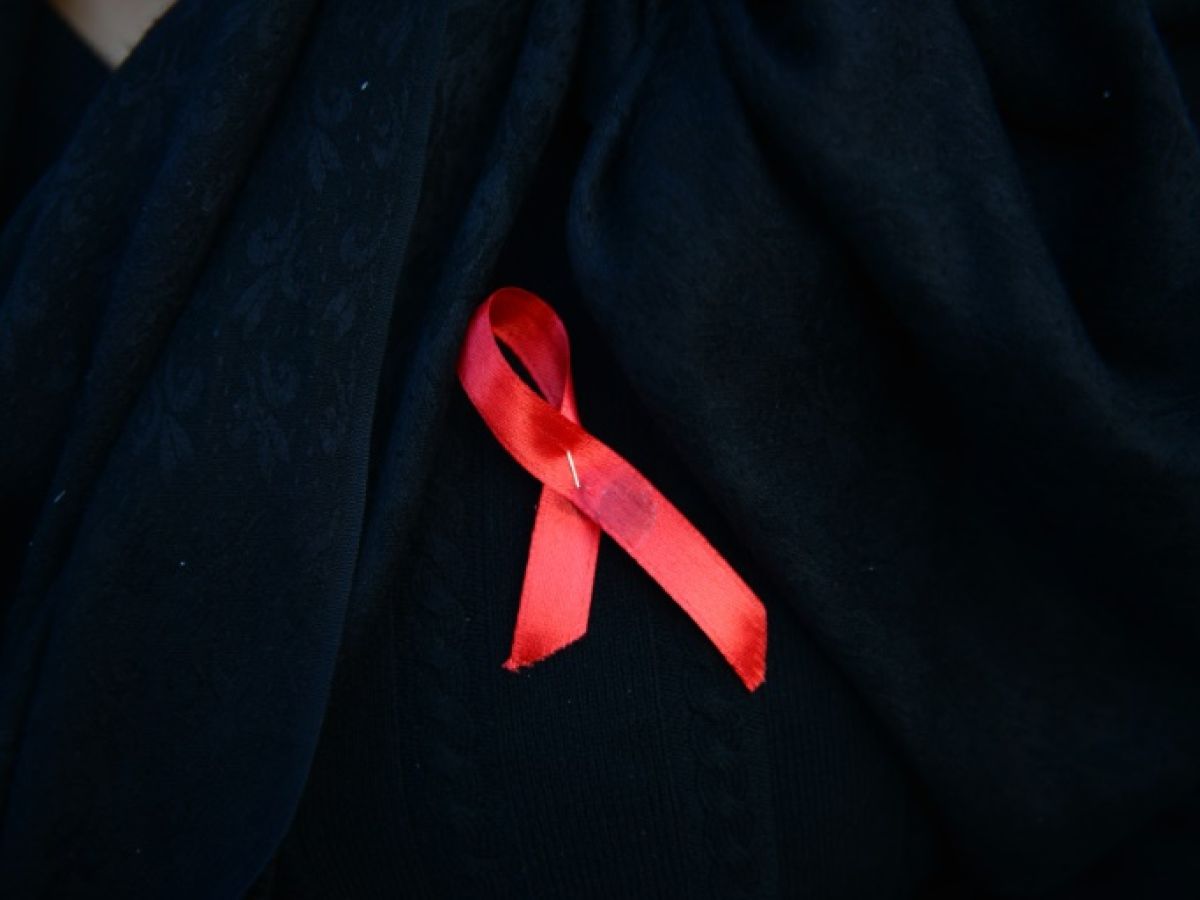
A Norwegian patient infected with HIV is now in remission after receiving a bone marrow transplant from his own brother to cure blood cancer. The case of "Oslo patient" is described by a study published on Monday, April 13, 2026 in Nature Microbiology. His real identity has not been revealed. He thus joins about ten people who have been cured, or are almost considered to be cured, of their HIV infection, the virus that causes AIDS.
What all these patients have in common is that they have received a transplant, usually of bone marrow, intended to treat particularly aggressive blood cancers with no hope of a cure, except for a stem cell transplant. This procedure is complex and risky. But the risks are lower if the donor carries a specific mutation, called CCR5. This mutation enables the immune system to eliminate HIV: if the recipient is also infected with this virus in addition to their cancer, they have the hope of being doubly cured.

This is what happened to the Oslo patient. HIV-positive since 2006, he was diagnosed with myelodysplastic syndrome, a type of blood cancer, in 2017. Without a transplant, he was almost certain to die. Doctors initially searched for a donor carrying the CCR5 mutation. Unable to find one, they ultimately approached the patient's older brother, hoping they might be a better match.
On the very day of the transplant in 2020, doctors were stunned to discover that the donor brother carried the infamous CCR5 mutation. In this region of the world, this is the case for only one in a hundred people.
" In great shape "

In the patient's own words "It was like winning the lottery twice."Dr. Anders Eivind Myhre, a member of the team and lead author of the study, told AFP Nature MicrobiologyTwo years after the operation, the patient stopped taking his antiretroviral drugs, which keep the HIV infection under control: no trace of it was found in several parts of his body, whether in his blood, his intestines or his spinal cord.
Today, the 63-year-old man is " in great shape " "And it's bursting with energy," Mr. Myhre concluded. This type of case remains exceptional and, given the very risky nature of a bone marrow transplant, cannot represent a treatment model for the vast majority of the millions of HIV-infected patients. But some AIDS experts believe these cases can shed more light on how the virus works.
 English
  French