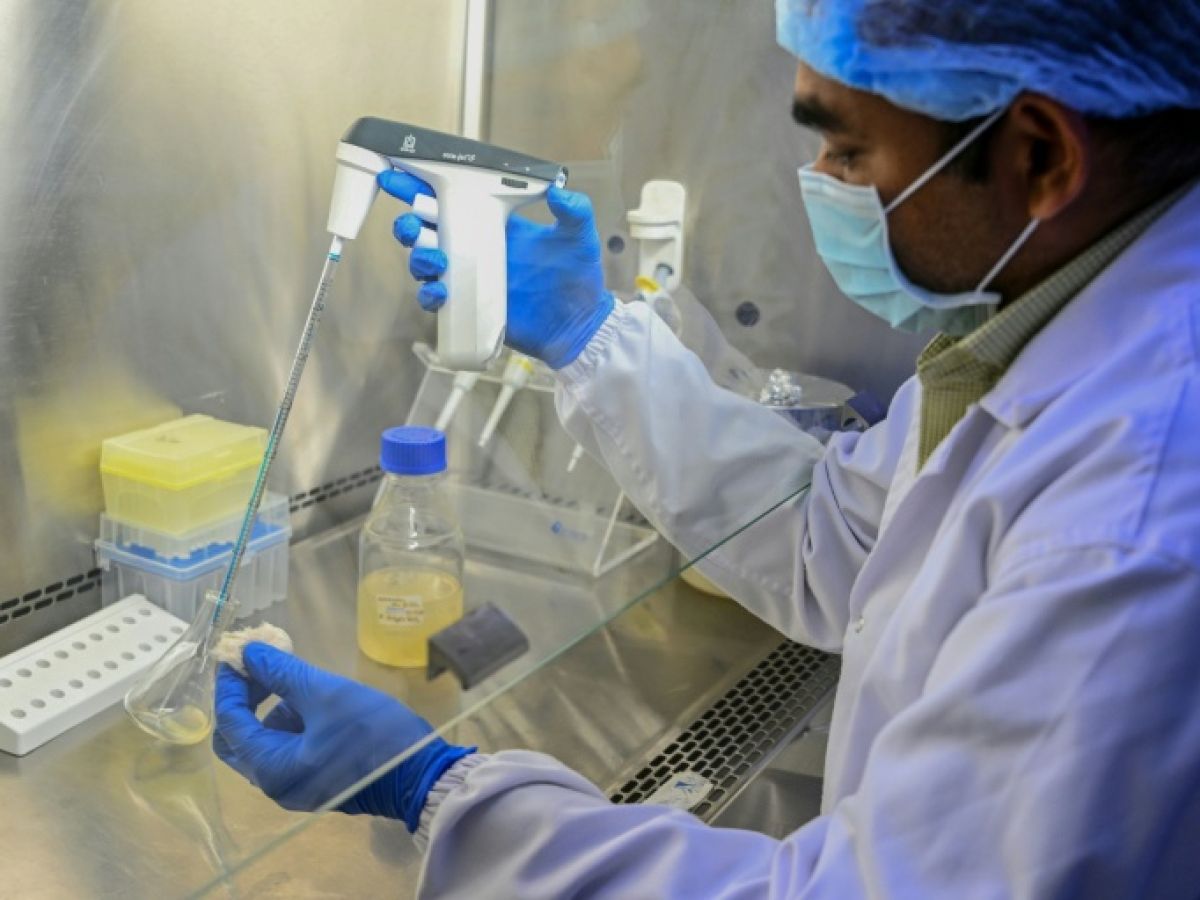
A single-dose dengue vaccine enters its final phase of trials in India, raising hopes for an effective cure for the mosquito-borne disease, which is experiencing a sharp resurgence worldwide.
According to the World Health Organization (WHO), half of the world's population is now at risk of dengue, which is responsible for 100 to 400 million infections each year.
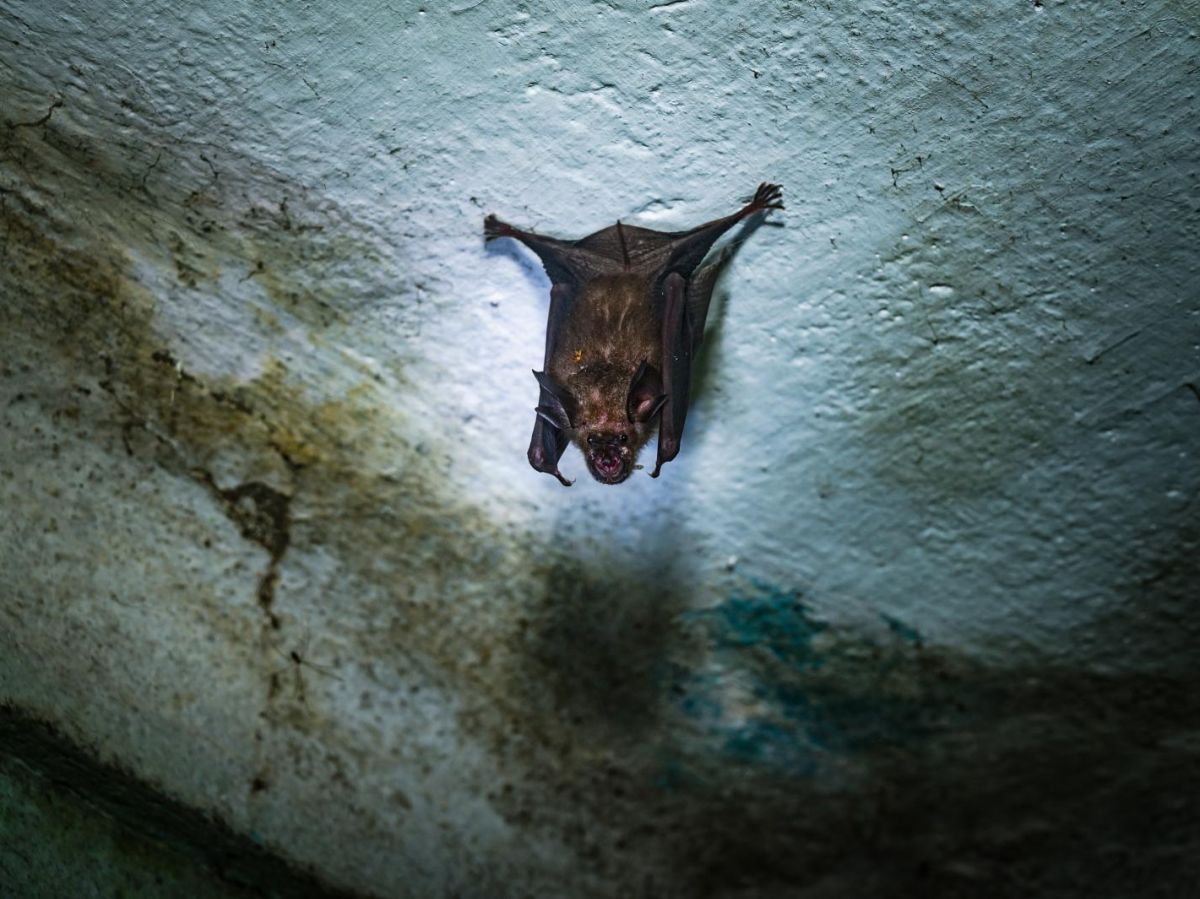
The virus can cause high fever, headaches, muscle pain, nausea, and skin rashes. In rare cases, it can be fatal.
Currently, the WHO recommends only one dengue vaccine – Qdenga, produced by the Japanese company Takeda – for children aged 6 to 16 years living in areas with high transmission. It requires two doses.

Furthermore, a first single-dose vaccine against this viral disease was approved by Brazil at the end of 2025.

None are available in India, where the world's most populous country – with nearly 1.5 billion inhabitants – has recorded more than one million cases and at least 1,500 deaths since 2021.
But, after some 15 years of research, the Indian pharmaceutical group Panacea Biotec has begun the final phase of clinical trials for its vaccine, DengiAll.
It will be tested on more than 10,000 volunteers across the country, who will receive either the vaccine or a placebo. The results are expected by the end of the year.
"We will try to make this vaccine available as quickly as possible," Syed Khalid Ali, the scientific director of Panacea Biotec, told AFP.
– “Still too early” –
According to Ekta Gupta, professor of virology at the Institute of Liver and Biliary Tract Sciences in New Delhi, dengue is now considered hyper-endemic in India.

"This vaccine is really necessary right now to limit the number of cases or at least prevent severe forms," she emphasizes.
During the summer monsoon, rising temperatures and heavy rainfall promote the proliferation of the tiger mosquito and generally lead to an increase in cases.
Hospitals are often overwhelmed and, in rural areas, patients are diagnosed late and have insufficient access to care.
Like the vaccine developed in Brazil, DengiAll is said to be able to target the four types of dengue virus that circulate simultaneously in India. This has long been a challenge, as immunity acquired against one strain does not protect against the others.
The vaccine still needs to be approved by health authorities before it can be made available in the country.

In the laboratories of Panacea Biotec, Priyanka Priyadarsiny, head of research and development, explains that "only after meeting regulatory specifications can a product be considered a pharmaceutical substance."
Syed Khalid Ali claims that DengiAll could be administered to people aged 1 to 60 years and should offer them lasting protection.
Experts point out that an effective vaccine manufactured in India could be deployed on a large scale in many other low-income countries.

Virologist and Oxford University researcher Shahid Jameel has warned that the incidence of dengue could increase from 50 to 751 by 2050, as the virus spreads rapidly due to climate change and globalization.
“Phase III trials and follow-up are necessary to determine (…) whether it is safe and effective,” the virologist reminds us. “It is still too early, but the future holds promise.”
 English
  French