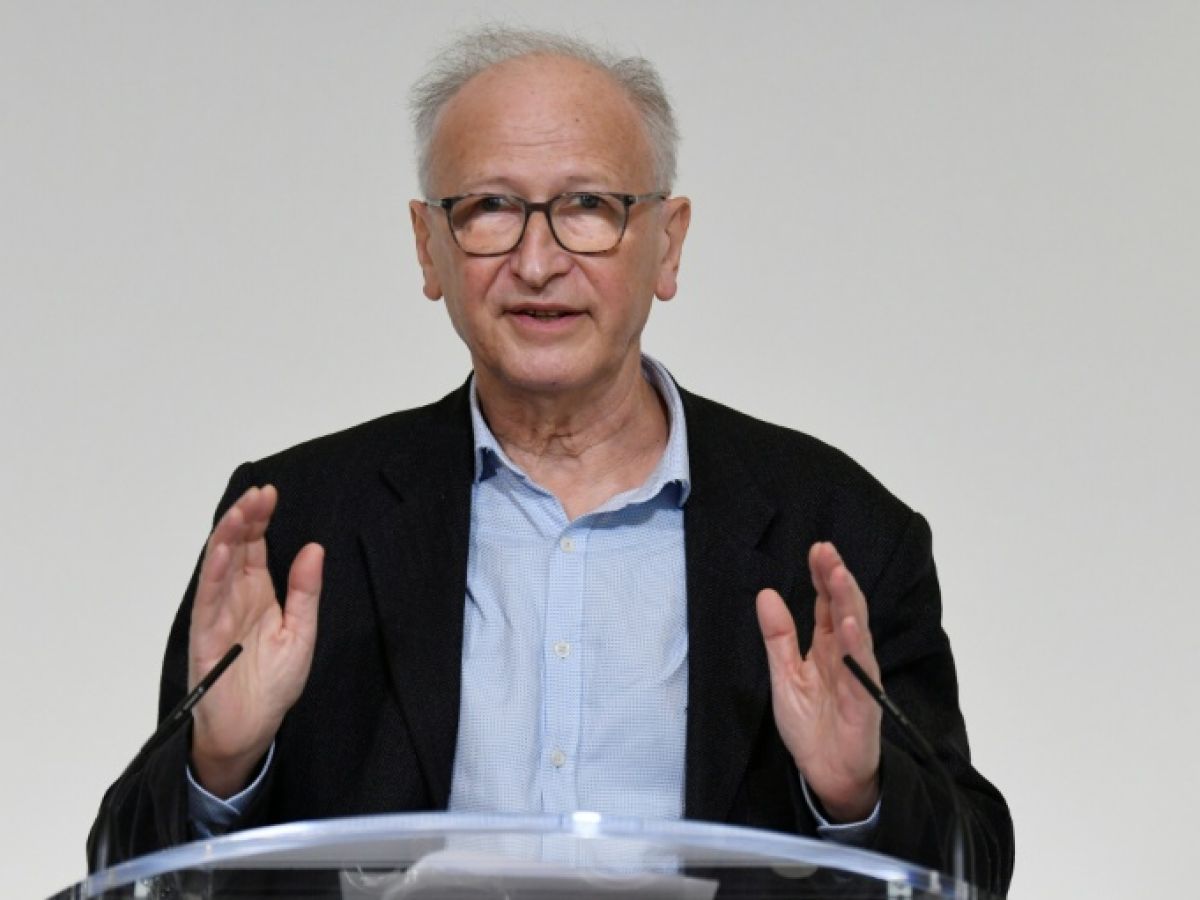
The "exorbitant prices" of innovative drugs "promote a medicine of the rich," denounces immunologist Alain Fischer, one of the pioneers of gene therapy in France, arguing for "a political and ethical reflection" on the profits of the pharmaceutical sector, which reach "75% of the price of the drug, or even more."
"There is no gene therapy that is reasonably priced and this situation is only getting worse," the researcher, former president of the Academy of Sciences, told Friday's edition of Le Quotidien du médecin.
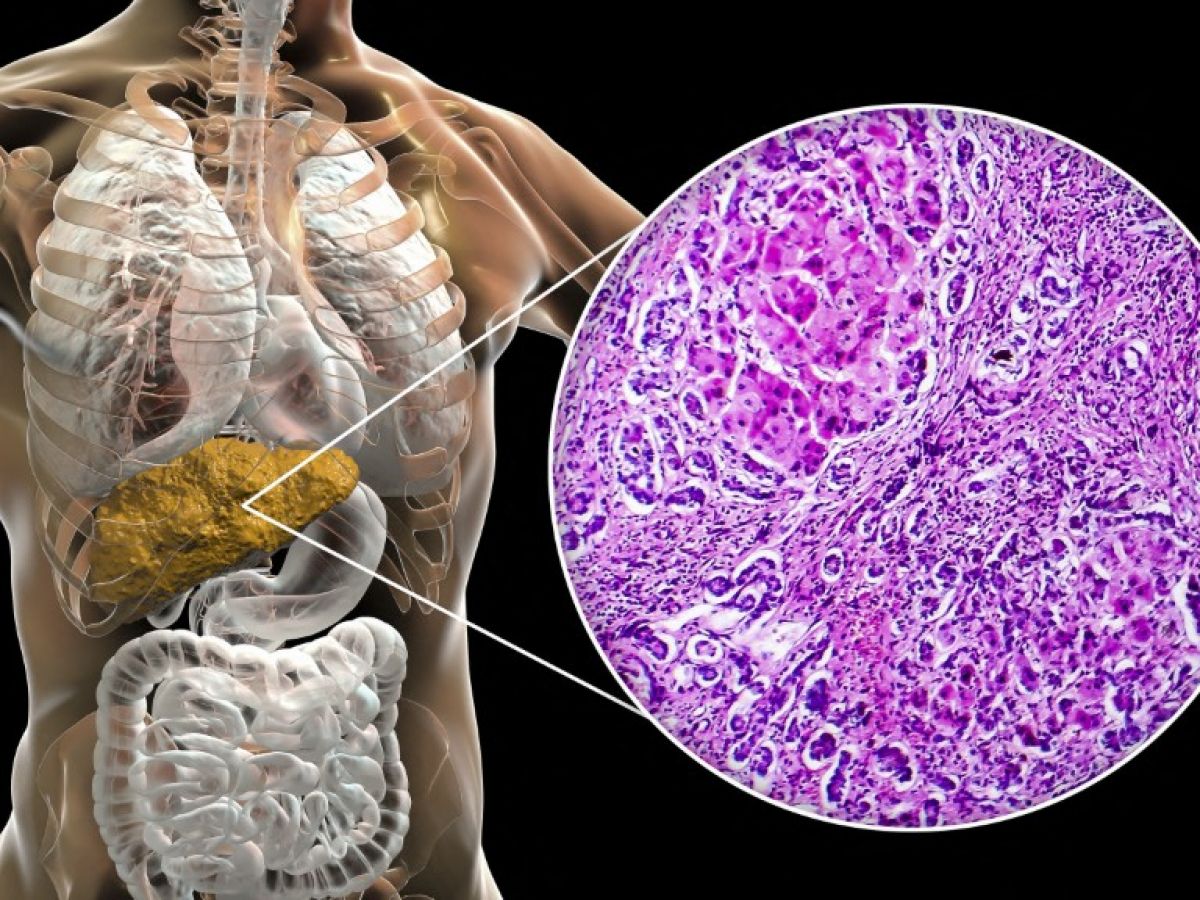
"This is also true for all new therapies, from biotherapies, such as monoclonal antibodies used in cancer or autoimmune diseases, to innovative chemical drugs, such as Kaftrio triple therapy in cystic fibrosis (...) or GLP-1 analogues in obesity," details the former "Mr. Vaccine" of the government during the Covid pandemic.
"As a result, some drugs are not even available because regulatory authorities consider their cost to be excessive," explains Professor Fischer, such as in France Casgevy (Vertex Pharmaceuticals), a gene therapy authorized in Europe to treat beta-thalassemia (a severe anemia) and severe sickle cell disease.

Thus, "the regular increase in the price of innovative drugs promotes a medicine of the rich, as is already the case in the United States," he says, where Lenmeldy, a treatment for a hereditary genetic disease, LDM, is sold "for more than $4.2 million per injection."
However, "the worst thing would be to arrive at a triage based on the patient's resources" in France, where "the solidarity system is fragile".
While the pharmaceutical industry emphasizes the ability of innovative drugs "to transform the lives of patients" who were previously without treatment, to justify their prices, these are actually based on "what the market accepts," continues Professor Fischer, and "according to estimates, the profit share could represent 75% of the drug's price, or even more."
Thus, "some therapies are sold at least three times the production price," he says, referring to the production of CAR-T cells in Spain.
However, the twenty or so gene therapies on the market "were initially developed by public research": society thus finds itself "paying twice, by financing public research upstream and paying very high prices for the drugs once they are marketed".
"Can't the benefits of new therapies be shared with society in the form of more reasonable prices?" he asks, calling on the state to better support research.
 English
  French