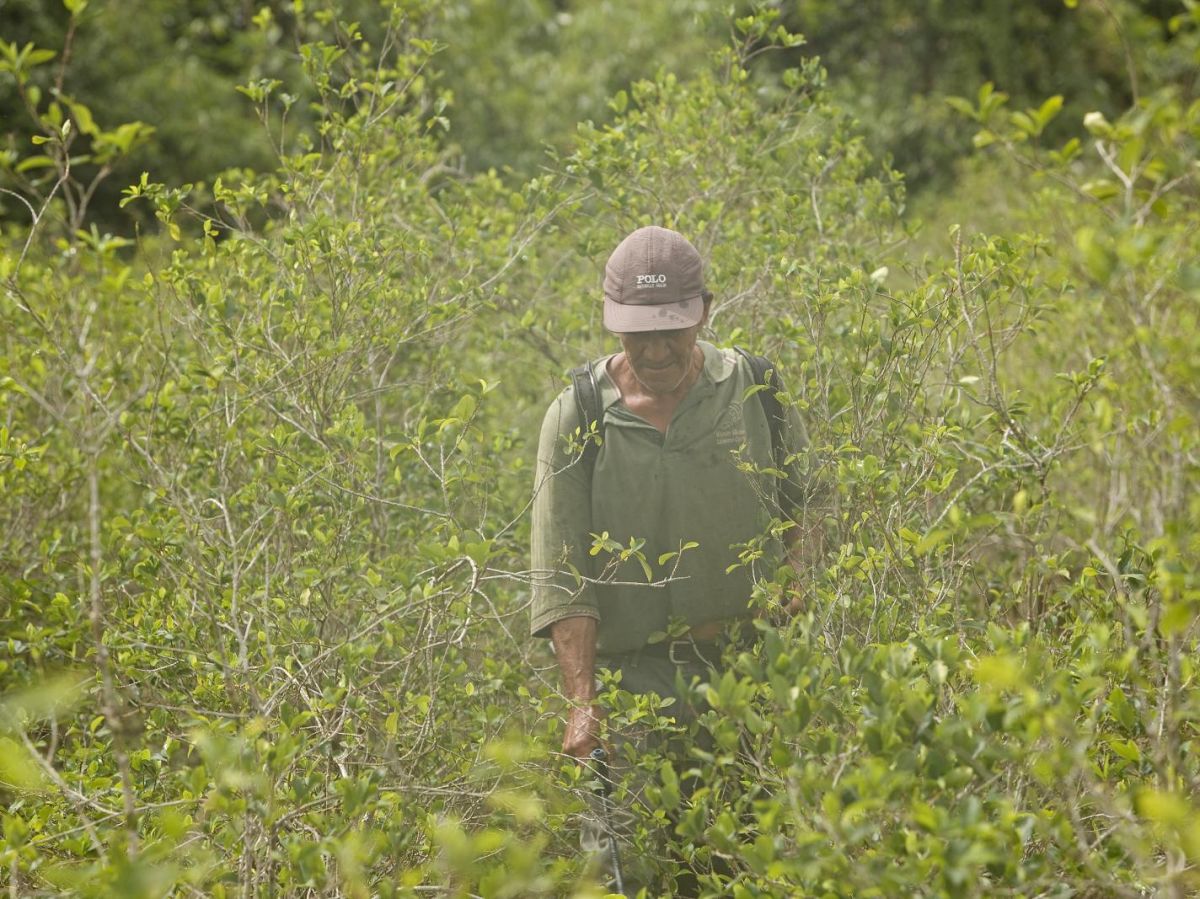


Proving causal links between pesticide use and the occurrence of different types of cancer in humans is extremely complex. In reality, we know relatively little about the effects of chemical molecules on humans, despite carcinogenicity studies conducted by manufacturers, and understanding the dispersion of these molecules in air, water, and soil, their mixtures, and their degradation (metabolites) requires enormous investigative resources. However, a Franco-Peruvian team has just overcome this obstacle by demonstrating a strong link between cancer and pesticides across an entire country, Peru. Their work has just been published in the journal Nature Health.
Peru is an excellent case study. This country of nearly 35 million inhabitants boasts a contrasting geography. The deserts of the Pacific coast border the diverse ecosystems of the Andean slopes, the mountain range extending eastward toward the Amazon rainforest. Peru is the cradle of various cultivated plants such as potatoes, tomatoes, and corn. Agriculture there remained largely traditional for a long time. However, since the early 1990s, agribusiness has developed rapidly, with the cultivation of avocados, mangoes, blueberries, asparagus, and other crops. Peruvian agricultural exports have thus increased significantly since the beginning of the 21st century. But this growth has, in some cases, come at the cost of destroying natural habitats, deforestation, and environmental degradation.

 English
  French