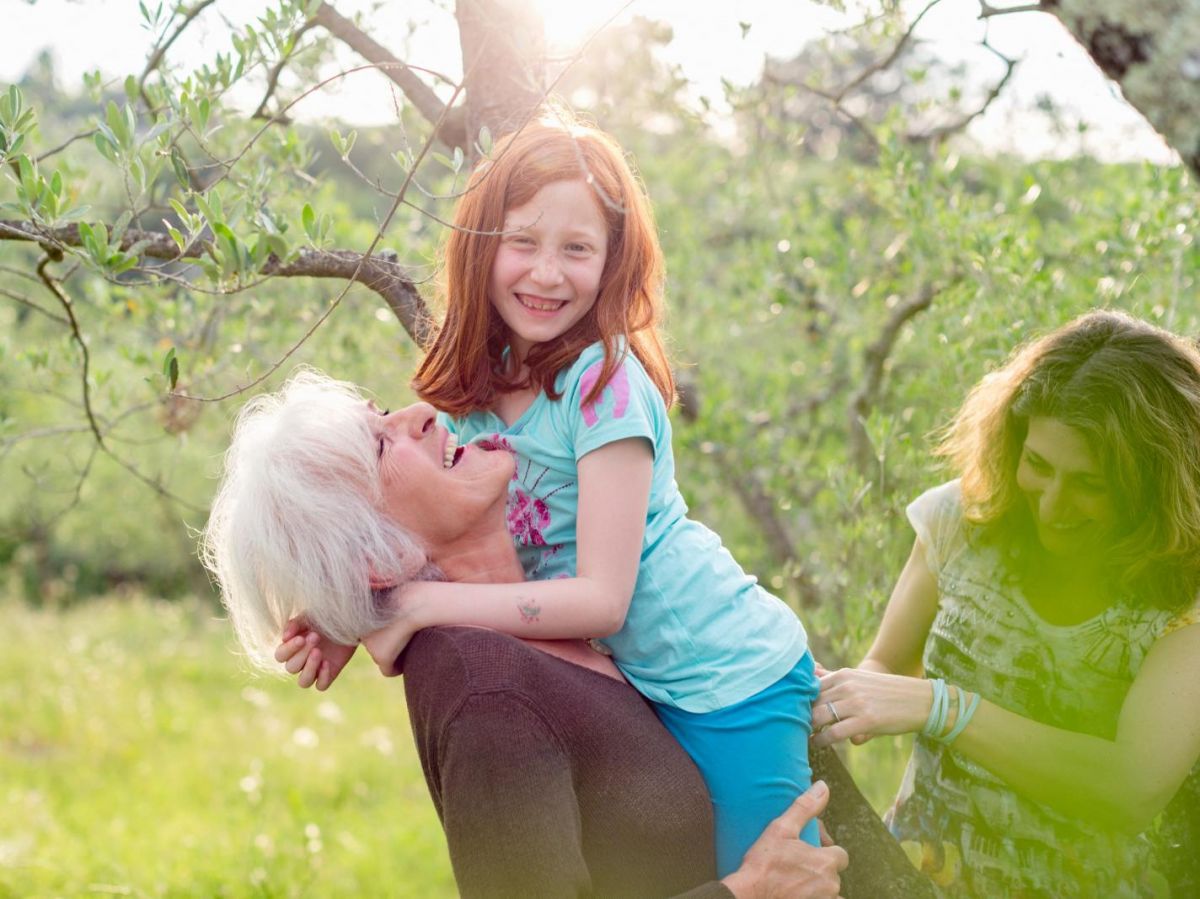
The French population is aging more and more: according to INSEEThe number of people over 75 is expected to double between 2021 and 2070, while it is projected to remain stable or decrease for all other age groups. And France is not an isolated case: according to WHOThe proportion of people over 60 in the world will double before 2050. Fortunately, older people age better and betterand this could be due to their role as grandparents. A study published in January 2026 in the journal Psychology and Aging by researchers from the University Tilburg Indeed, in the Netherlands, there is a correlation between being involved in the lives of one's grandchildren and less cognitive decline.
Is the role of grandparent protective?
The role of grandparents is a subject of increasing study, particularly as research in recent years has focused more on seniors and "successful aging." This interest in aging has highlighted the importance of physical activity, social life, and cognitive challenges for maintaining good health. These three aspects are highly activated when caring for a young child: they are affectionate, they run around, and they switch from one activity to another at a dizzying pace. It would therefore seem logical that spending time with grandchildren could be protective during aging.
To test this hypothesis, Dutch researchers analyzed an English Longitudinal Study of Ageing (ELSA), which compiles information on the aging of thousands of English people, and in particular on the activities grandparents spend with their grandchildren. They focused on individuals with good cognitive health who do not live with their grandchildren (and are therefore not forced to spend time with them), for a total of nearly 10,000 grandparents (including 58 women). These grandparents were followed between 2016 and 2022, and those who reported spending time with their grandchildren were compared to those who did not but who otherwise shared all other variables (educational level, number of children, number of grandchildren, etc.).
Differences between grandfathers and grandmothers
The first finding: people who care for their grandchildren have better memory and verbal fluency, highlighting a possible protective effect. This effect was more pronounced in grandmothers than in grandfathers: they had better cognitive function, and moreover, this function declined less over time (compared to grandmothers who did not spend time with their grandchildren), which was not the case for grandfathers. This could be explained by their level of involvement: they reported doing more activities with their grandchildren than grandfathers.
For them, this involvement even becomes detrimental from the age of 75: they exhibit a more rapid decline in verbal fluency than non-involved grandfathers, which was not the case for grandmothers. The authors believe this is due to the nature of this involvement: for them, it is better perceived, being experienced as "natural" and voluntary, whereas for grandfathers, it may be perceived more as an obligation and an imposed burden.
Not all activities are created equal.
Second finding: the amount of time spent with grandchildren did not appear to influence this protective effect; it was similar whether they were cared for every day of the week or only during holidays. What matters is being involved and sharing with them, even if it's just a little.
On the other hand, the variety of activities that grandparents do with their grandchildren is important: the more different things you do with them, the better your health. Individually, the activities most associated with better cognition were those related to leisure activities or schoolwork. But what stands out most from these results is that being an involved grandparent was more important than the amount of time spent with grandchildren or the type of activity done with them. asserts in a press release Flavia Chereches, author of the study. However, the effects are different if this relationship is voluntary, within a supportive family context, compared to a stressful context where grandparents might feel force"They were able to do it." Being close to one's grandchildren would therefore be protective, provided that it is not an obligation.
 English
  French