Faced with medical desertification and difficulties in accessing care, the government will allow doctors to do a little more teleconsultation, a practice that is relatively underdeveloped in France compared to the rest of the OECD.
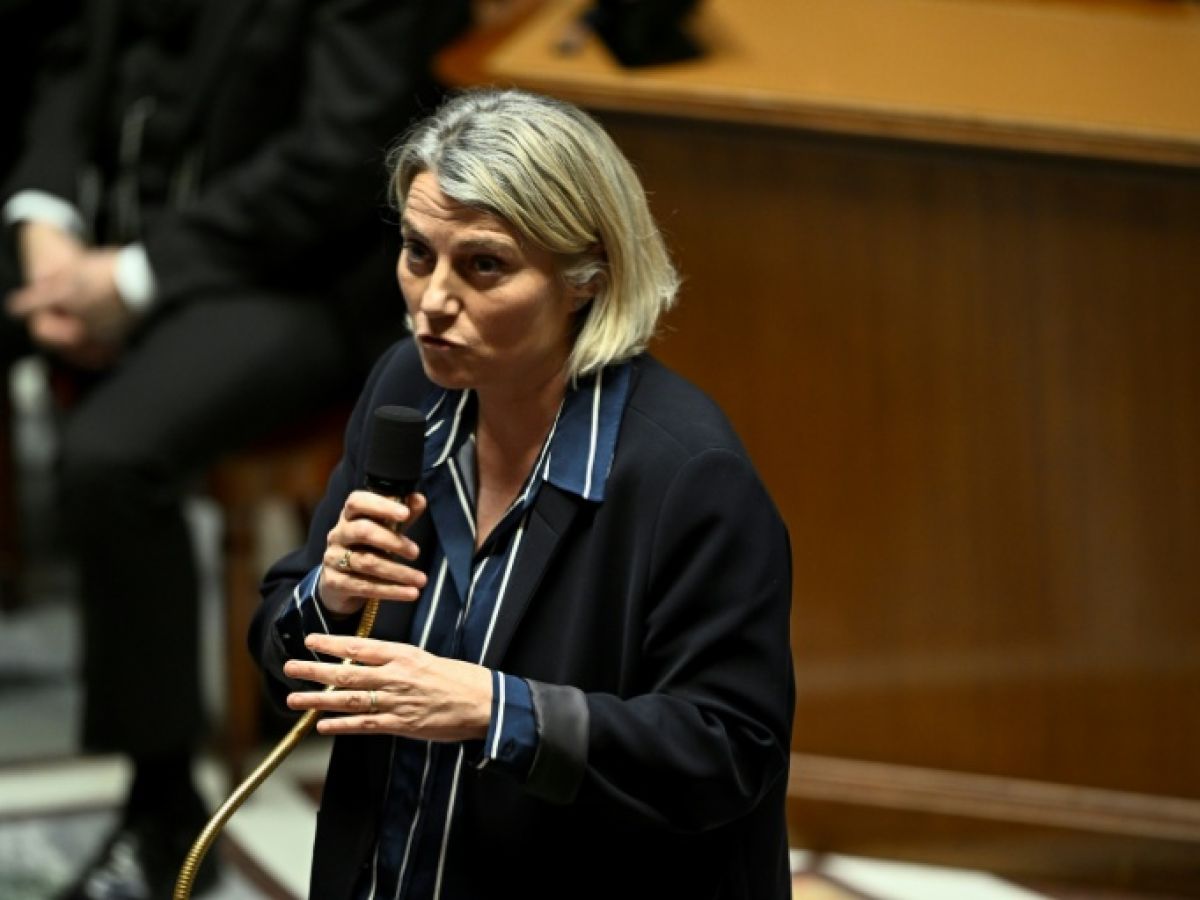
"I am convinced that telemedicine must be a tool for inclusion by allowing us to reach those who are furthest removed from the health system," said Health Minister Stéphanie Rist on Monday.
The minister specifically mentioned "people without a general practitioner or living in underserved areas, dependent people or people with disabilities (...) people unable to travel, or prisoners."
To stimulate teleconsultation, doctors will be able to deviate in a number of cases from the rule that prohibits them from doing more than 20% of their remote consultations, Ms. Rist indicated at the close of a six-month national consultation on telemedicine.

Retired doctors, substitutes or doctors with disabilities will thus be able to make more than 20% teleconsultations, as will practitioners "experiencing particular life moments", such as young parents, explained Ms. Rist.
According to the minister, teleconsultations assisted by another healthcare professional alongside the patient (nurse for example) will no longer be taken into account in the doctor's quota of 20%.
"Assisted teleconsultation will be developed in social and medico-social establishments, particularly nursing homes. Everyone is aware of the very important issue of avoiding unnecessary visits to the Emergency Department," said Ms. Rist.
Major teleconsultation platforms welcomed Ms. Rist's announcements, which were interpreted as a clear political endorsement of a still emerging activity that continues to generate hostility from some in the medical world.
Like Germany, France stands out for its still relatively low use of teleconsultation, which represents only 3.3% of the total consultations, compared to an average of 13% in the OECD, according to figures presented on Monday by the Health Insurance.
– “Strong signal” –
"These are the strong measures we were waiting for (...) It's a very strong signal sent to medical deserts," Nathaniel Bern, co-founder of Medadom, which operates teleconsultation kiosks and booths in pharmacies and optical stores, told AFP.
“There is a real awareness” among public authorities, a desire to move forward” on telemedicine, rejoiced Guillaume Auffret, director of public affairs at the teleconsultation platform MédecinDirect.
Dr. Julie Salomon, pediatrician and medical director of the Qare teleconsultation platform, also welcomed Ms. Rist's proposals, while regretting that she did not simultaneously announce an increase in the value of teleconsultation services.
"Yet this revaluation will be absolutely decisive for the attractiveness of the activity" for healthcare staff, she insisted.
A diagnosis shared by a competitor of Qare, who prefers to remain anonymous: "A nurse earns 12 euros if she assists a patient for a teleconsultation, and the doctor earns 25 euros: this is not enough. In assisted teleconsultation, we are talking about long teleconsultations," he explained.
However, Ms. Rist believes that teleconsultations must continue to be subject to particular vigilance. She stated that certain teleconsultation practices "will need to be questioned or discontinued" in the optical and hearing aid sectors.
"Telemedicine has a role to play" in these sectors, "provided it is used in a virtuous framework that facilitates supervised access to ophthalmologists or ENT doctors," she indicated.
 English
  French