Should India fear a serious resurgence of the Nipah virus? On January 10, 2026, the AIIMS (All India Institute of Medical Sciences) in Kalyani received a call concerning the worrying health condition of a young nurse suffering from " a rapidly progressing encephalopathy and a nurse working in the same hospital, with a fever and a neuro-respiratory deterioration" , according to the institute, which communicated on this subject on January 13 on Facebook.
“ Given the timing of the gathering, the shared workplace, and the severity of the situation, this immediately raised concerns about a potentially serious viral encephalitis."The Indian institution continued. And indeed, the tests carried out made it possible to find Nipah virus RNA in the two caregivers, potentially infected by a patient under their care.
THE Times of India It was noted on January 20th that while the man was improving, the woman remained in critical condition. This demonstrates that the virus can be rapidly fatal. Currently, five cases of Nipah virus disease have been reported. the World Health Organization (WHO), in cases of Nipah virus infection, " The case fatality rate is between 40% and 75%“.
How is the Nipah virus transmitted?
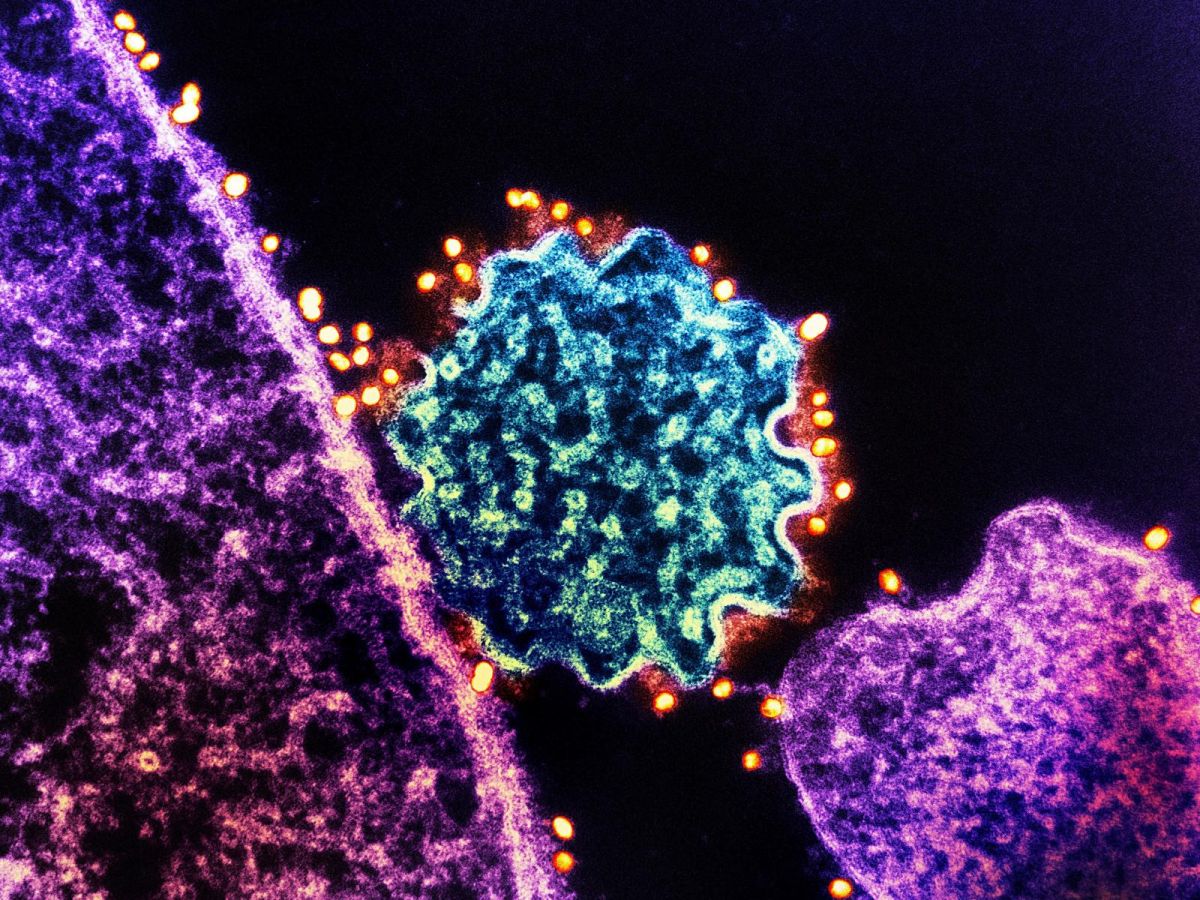
Nipah virus is an RNA virus of the genus Henipavirus. It is what is known as a zoonotic virus: it is transmitted from animals to humans. Its natural reservoir is bats, particularly those of the genus Pteropus. "The virus is present in the urine of bats and possibly in the feces, saliva, and fluids released during the birthing of bats."" explains the WHO.
But bats aren't necessarily the direct transmitters of the virus to humans; there can also be an intermediate host. Pigs are also highly susceptible to this virus, in which it is extremely contagious. In fact, Nipah virus disease was first identified in 1998 in Malaysia, in the village of Nipah, in domestic pigs that subsequently infected farmers. It should also be noted that horses, goats, sheep, cats, and dogs can also be susceptible.
As illustrated by the case of the two Indian healthcare workers, this disease is also transmitted from human to human, and the risk in healthcare facilities can be considerable. Thus, " From 2001 to 2008, approximately half of the reported cases in Bangladesh were attributable to human-to-human transmission of the virus during the care provided to infected patients."The WHO reports that human-to-human transmission occurs via contact with the secretions of sick people.
What are the symptoms of Nipah virus disease?
In humans, the infection can be asymptomatic. However, the clinical picture can also be much more serious, initially presenting with fever, headaches, muscle pain, vomiting, and a sore throat, according to the WHO. Later, the patient may experience dizziness, drowsiness, altered mental status, and acute encephalitis. Some people may also experience severe respiratory problems.
“ In severe cases, encephalitis and seizures are observed, progressing to coma within 24 to 48 hours."The WHO specifies. Survivors generally recover completely, but 201% of patients still experience neurological after-effects. As previously mentioned, the case fatality rate for this infection is between 401% and 751%."
Treatments and precautions to combat the transmission of the Nipah virus
Unfortunately, there is currently no medication or vaccine to treat Nipah virus disease. Patients receive supportive care, and the only way to limit the number of cases is to take precautions. For example, since the bats involved are fruit-eating, it is necessary to prevent them from accessing fruit, especially date palms. Any fruit that bats have bitten should be discarded. Fruit that appears healthy should still be washed, as transmission through contaminated food is possible.
Regarding pigs, the WHO recommends regular disinfection and cleaning of farms to prevent infection. If an outbreak is declared, the affected farm must be quarantined, and culling of the animals may be necessary.
Human-to-human transmission, on the other hand, can be prevented by limiting unprotected physical contact with sick people and by washing hands regularly. It is precisely this type of transmission that Indian authorities are currently concerned about.
 English
  French