The second World Health Organization (WHO) summit on traditional medicine opens Wednesday in New Delhi, with the ambition of scientifically promoting certain traditional treatments by using new technologies, including artificial intelligence (AI).
The UN agency hopes in particular to make these practices, such as acupuncture, Ayurvedic medicine – which originated in India – or herbal remedies – more compatible with modern health systems.
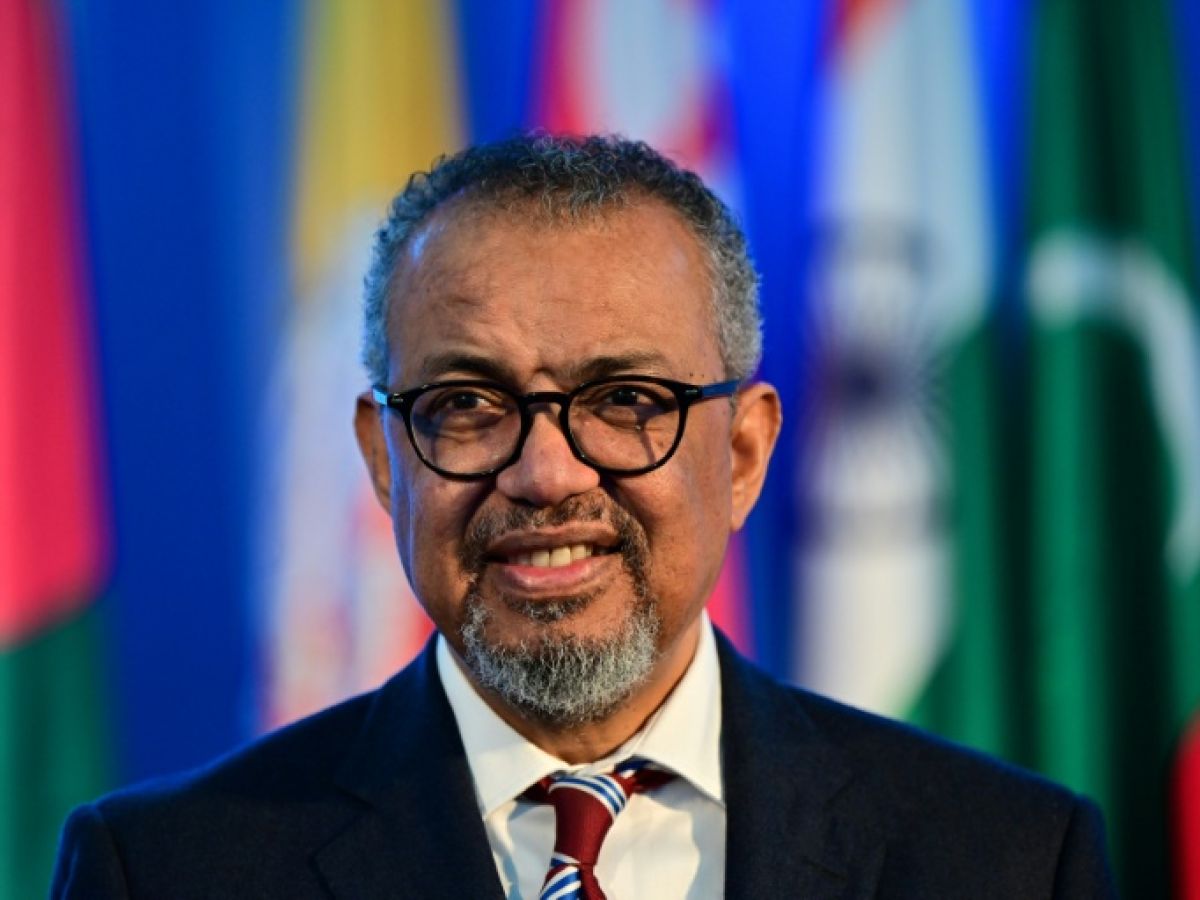
Traditional medicine "does not belong to the past," stressed WHO chief Tedros Adhanom Ghebreyesus in a video, adding that its demand "continues to grow across countries, communities and cultures."
The host of the meeting, Indian Prime Minister Narendra Modi, expressed hope that it would "intensify efforts to take advantage" of its potential.

Himself a follower of yoga and ancestral medical practices, he supported the creation in 2022 of a WHO World Centre for Traditional Medicine in Jamnagar, in the state of Gujarat where he is from.
According to Shyama Kuruvilla, director of this center, the use of traditional remedies is "a reality across the planet", emphasizing that "40 to 901% of the inhabitants of 901% of WHO member states use them".
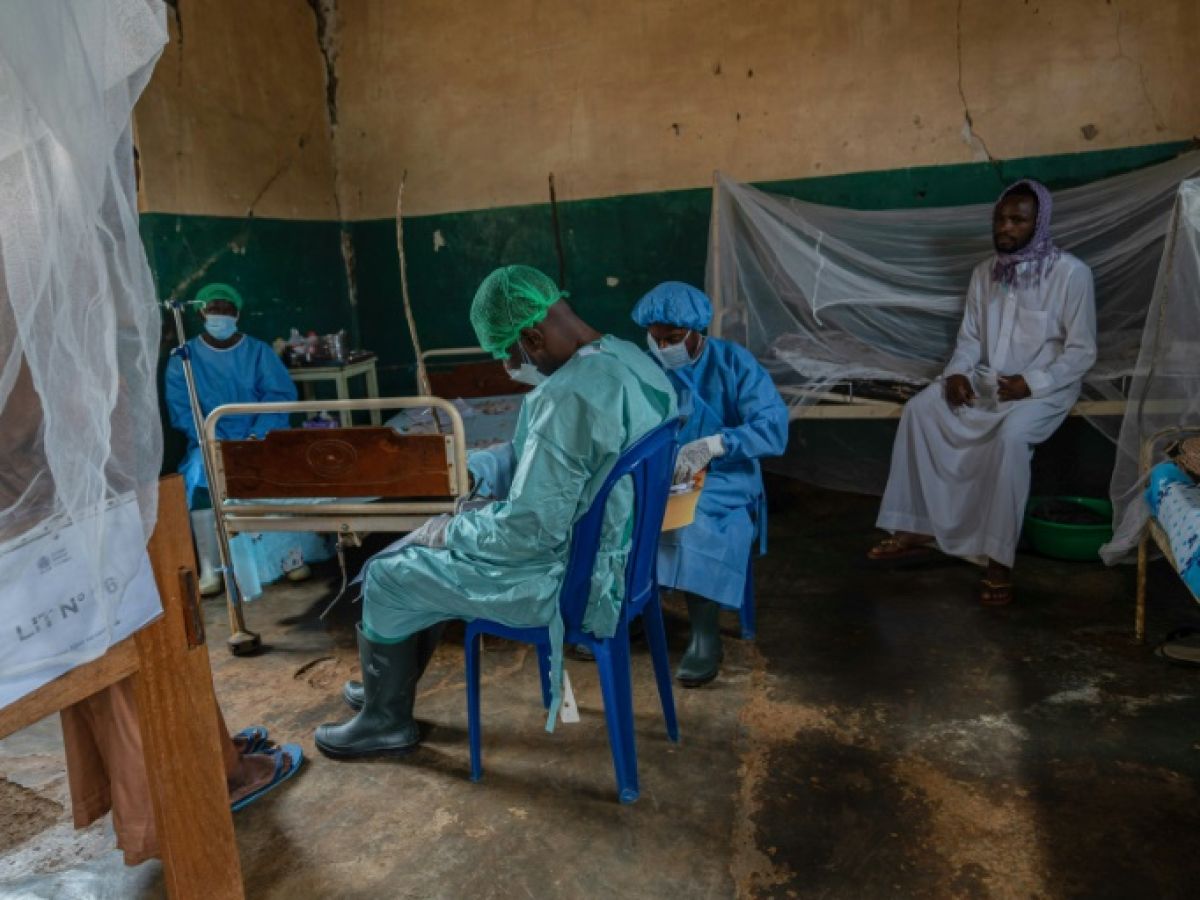
"Half of the world's population does not have access to basic health services; traditional medicine is often the closest, or even the only, healthcare option available to many," she explained in an interview with AFP.
However, "less than 11% of global health research funding is currently allocated to traditional medicine," according to the WHO.
The agency defines it as the "sum of knowledge, skills and practices based on theories, beliefs and experiences specific to different cultures, explainable or not, used to maintain health, prevention, diagnosis or treatment" of diseases.
– “Pivotal moment” –
Some of these virtues have never been scientifically established, and conservationists argue that demand for some products fuels the trafficking of species, including tigers, rhinos, and pangolins, which are threatened with extinction.
"The role of the WHO is therefore to help countries ensure that traditional medicine (...) is safe, evidence-based and integrated equitably into health systems," said Ms. Kuruvilla.
She points out that "40% or more of Western medicine and pharmaceutical products are derived from natural products."
The professor at Boston University (USA) cites aspirin, derived from formulations using willow bark, the contraceptive pill, developed from wild yam roots, and childhood cancer treatments based on Madagascar periwinkle.
The WHO is expected to use this summit to launch what it presents as the world's largest digital repository of research on the subject, a library containing 1.6 million scientific references.
Research is at "a pivotal moment," according to Ms. Kuruvilla, and technology, including AI, is enabling the application of scientific rigor to traditional remedies.
The WHO's chief scientist, Sylvie Briand, stressed the importance of the role it could play.
"It can screen millions of compounds, help us understand the complex structure of herbal products and extract the relevant constituents to maximize benefits and reduce adverse effects," she explained at a press briefing before the summit.
"Cutting-edge science allows us to build this bridge (...) between the past and the future," Ms. Kuruvilla emphasized.
 English
  French