9:30 p.m. Thomas's (name changed) phone alarm goes off. It's the time when this 21-year-old bodybuilding enthusiast begins his injections. He takes vials of GHK-Cu out of the refrigerator –«"to have beautiful skin"»– and of Retatrutide –«"to feel less hungry", disinfects needles and syringes, reconstitutes peptides using bacteriostatic water, then injects himself in the lower abdomen.
«"It's like this every day for GHK-Cu, three times a week for Retatrutide. It requires a little organization, but it's become a routine."», "This is what this regular gym-goer, who goes to the gym six days a week, told AFP.
These molecules – peptides – are short chains of amino acids that, when assembled, form the proteins in our bodies. Reproduced in the laboratory, they serve as active ingredients in well-known medications, such as insulin or certain GLP-1-type anti-obesity treatments.
«"Managing anxiety"» And «"repair the ligaments"»
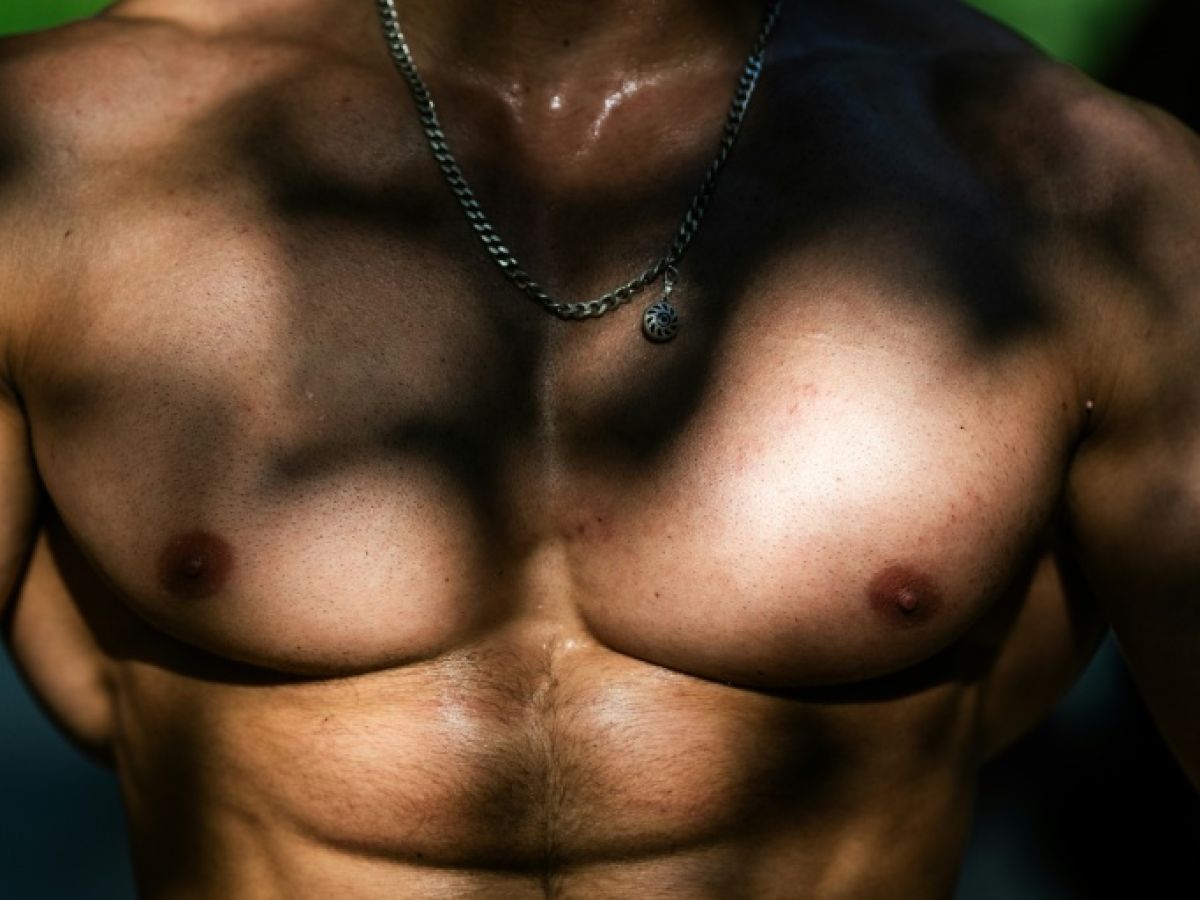
For several months, many synthetic peptides, which are banned but on sale on some sites, have been promoted by influencers and in gyms to lose fat, gain muscle or recover better.
Thomas, already a steroid user, was introduced to peptides by... «"knowledge"», six months ago. He also sometimes injects himself with Selank, to «"Managing anxiety"», and praises the BPC-157, for «"help to repair ligaments"».
These peptides are not authorized for sale in France, and therefore their use is not regulated by any official guidelines. Some of those authorized as medications are sometimes misused. On discussion forums like Reddit or Discord, communities of several hundred people—mostly men—exchange advice on dosage and injection frequency. «"You read the studies, you look at the lab tests, and you see all the positive effects."», Thomas argues that the risks are «"rare and not serious"».
But knowledge remains limited because these molecules «"have often not been tested on humans"», "This is the case," Armelle Rancillac, a neuroscience researcher at Inserm, told AFP. In a note published in early 2026, the institute reports that to date, «"No large-scale, randomized, controlled clinical trial in humans has confirmed"» the promised "effects," and that certain peptides present «"very real health risks"».
«"We don't give research time to prove itself."» and we give credence to testimonies of self-experimentation «"which are scientifically worthless", Ms. Rancillac laments. The French National Agency for Medicines and Health Products Safety (ANSM) says it has already received "about ten reports", including hospitalizations, related to the use of illegal peptides.
Purchased online, these products bypass the controlled pharmaceutical circuit and their composition or concentration is therefore not guaranteed.
«"Chemical architecture for those aiming for absolute biological optimization"»
AFP has identified several websites based abroad—in Switzerland, Hungary, and elsewhere—selling their products in France. Most indicate that the products are intended for «"in preclinical research"» and not approved «"for human use"». Simple «"artifice"», denounces the ANSM, since many consumers obtain their supplies there.
The Medicines Observatory within the National Directorate of Customs Intelligence and Investigations notes «"an explosion in peptide diversity"» in circulation and «"relatively little effort at concealment"».
While it is difficult to quantify the number of peptide enthusiasts, there are «"a configuration rather favorable to the spread of these consumptions"», sufficient for «"sound the alarm"», says Fabien Ohl, a sports sociologist at the University of Lausanne.
He evokes a perception of the body «"like capital"» to value, and a «"Biologizing vision"» of man, who could «" improve "» his physique «"thanks to science"» and to «"The consumption of chemical substances.".
One of the websites selling peptides promises to provide «"Chemical architecture for those aiming for absolute biological optimization"». On social media, self-proclaimed experts also sell their «"protocols"» supposed to help men to «" to optimise "» their physique.
According to the sociologist, this trend also reflects the vision of masculinity defined by «"Muscle and strength"» and standardizing «"The biological male, potentially more violent, more aggressive"», which can «"to pose problems"», particularly on gender relations.
 English
  French