Japan has approved the marketing of stem cell-based regenerative medicine products for heart disease and Parkinson's disease, one of the manufacturers and media outlets announced on March 6, 2026. The pharmaceutical company Sumitomo Pharma announced it had received authorization to manufacture and market Amchepry, a Parkinson's disease treatment that involves transplanting stem cells into the brain.
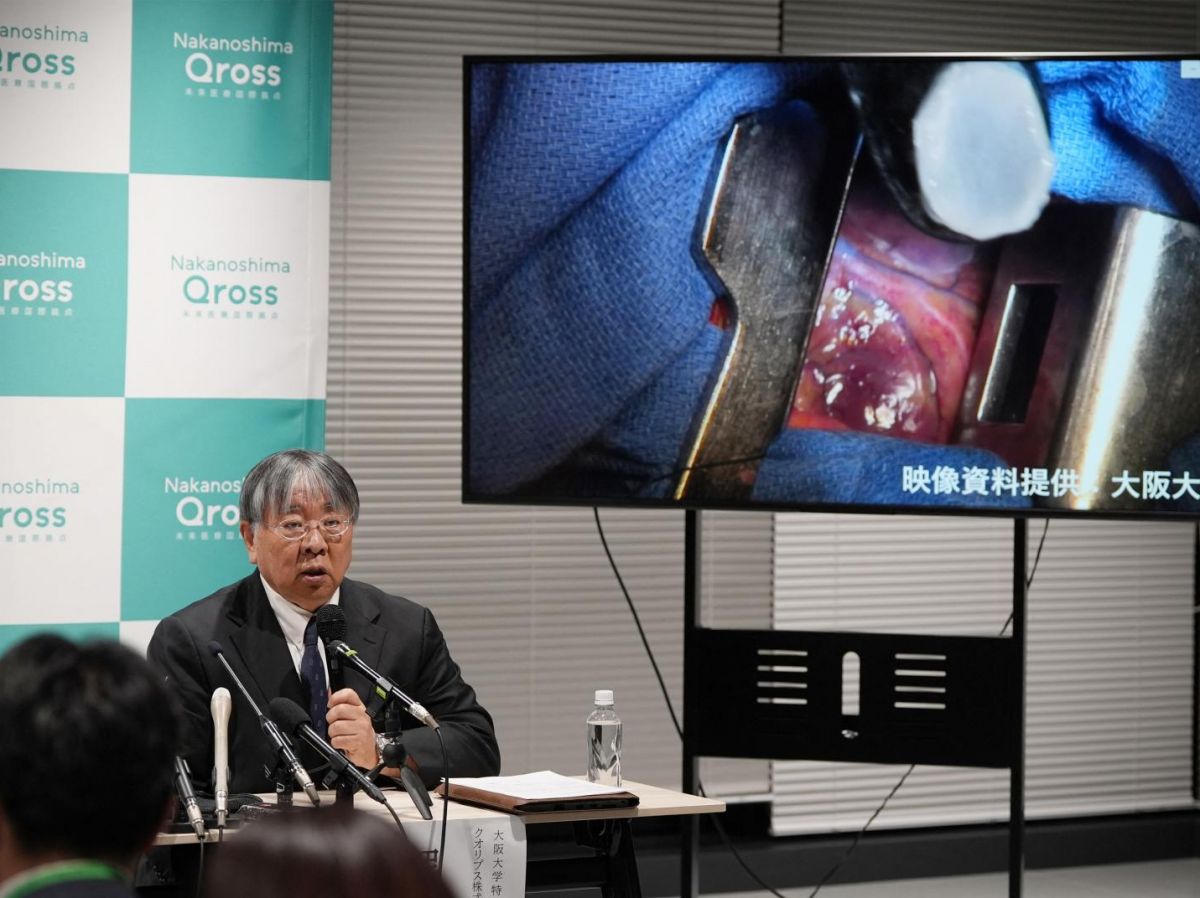
According to media reports, the Japanese Ministry of Health has also given its approval to ReHeart, developed by the medical start-up Cuorips: the treatment consists of films of heart muscle placed on the surface of the heart, where they cause the formation of new blood vessels and help restore heart function.

These treatments could be offered to patients as early as this summer, according to sources citing the ministry. They will be the first medical products available on the market to use iPS cells (induced pluripotent stem cells).
Read alsoParkinson's disease: Researchers successfully transplant new neurons into patients
This innovation was awarded a Nobel Prize
Research on this innovation, which consists of transforming a specialized adult cell into an immature cell capable of developing into any type of cell in the body, has earned the Nobel Prize in Medicine 2012 to the Japanese researcher Shinya Yamanaka. I hope this will bring relief to patients, not only in Japan, but throughout the world."r," said Health Minister Kenichiro Ueno at a press conference.
In a statement, Sumitomo Pharma announced that it had obtained marketing authorization " conditional and temporary "for the manufacture and marketing of Amchepry, a device designed to accelerate patient access to this product.
Authorization obtained after a trial on seven patients
This authorization follows an assessment of the safety and efficacy of the treatment based on data collected from a smaller number of patients than in conventional clinical trials.
Thus, a trial conducted by researchers at Kyoto University involved seven patients with Parkinson's disease, aged 50 to 69, each of whom received five to ten million cells implanted on either side of the brain. The iPS cells, derived from healthy donors, were differentiated into precursors of dopaminergic neurons, which are absent in people with Parkinson's disease.
Read alsoParkinson's disease: Neuron precursors injected into patients
The patients were followed for two years and the study revealed no major adverse effects. Four patients experienced an improvement in their symptoms.
Parkinson's disease is a chronic, degenerative neurological condition that affects the motor system. According to the Parkinson's Foundation, approximately 10 million people worldwide are affected. Currently available treatments include improve symptoms without, however, slowing or stopping the progression of the disease", the foundation specifies.
 English
  French