In cosmetics, kitchen utensils or packaging, these per- and polyfluoroalkylated chemical substances, which are a concern for their effects on health, are everywhere, used for their non-stick, waterproofing or heat resistance properties.
Survey of companies that manufacture, use or reprocess PFAS
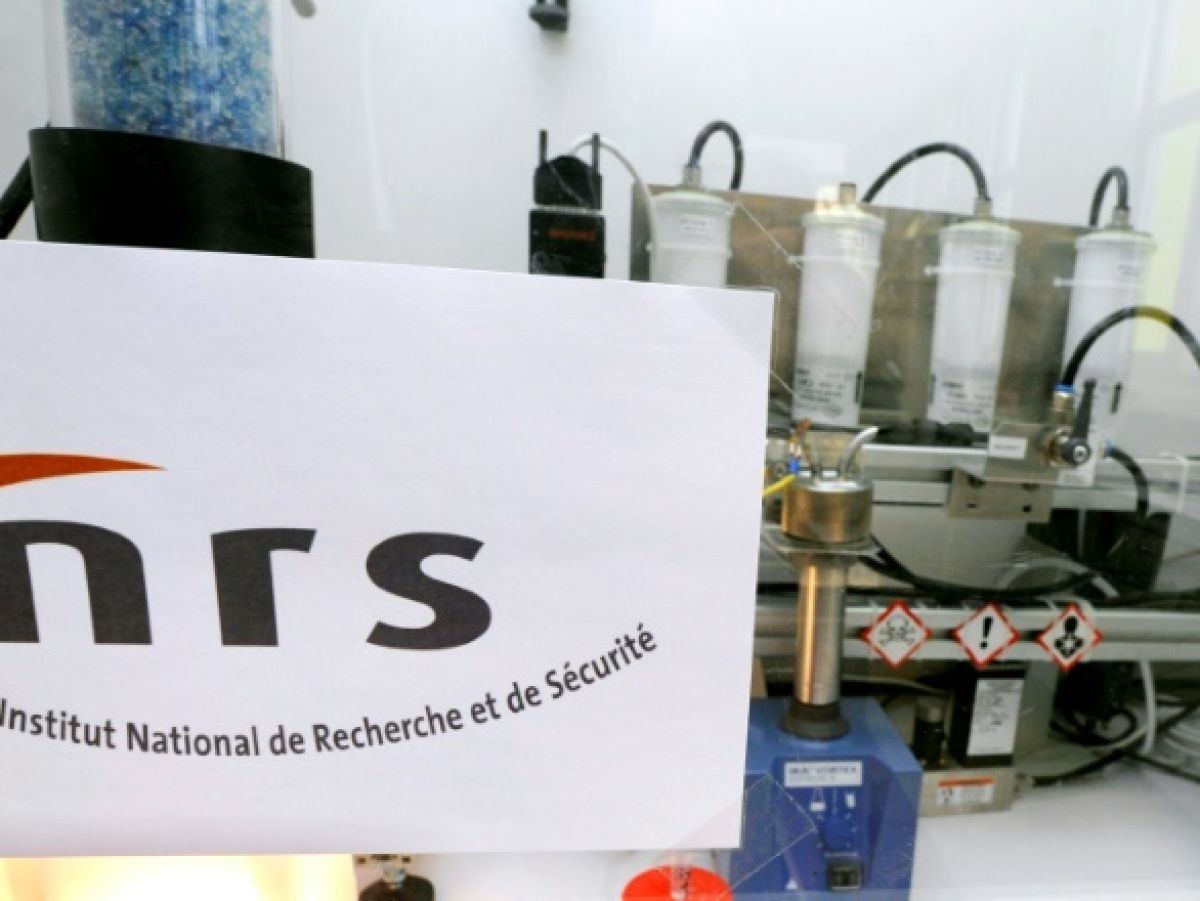
“ Occupational exposure to these substances is still poorly understood."In the workplace, the frequency and level of exposure to PFAS are potentially higher than in the general population. The National Institute for Research and Safety (INRS) conducted this investigation for two years, using an online questionnaire sent to hundreds of companies, including PFAS producers, manufacturers of products containing PFAS, and the waste treatment sector.

Read also"Eternal pollutants": what are PFAS polymers and why are they as alarming as others?
INRS initially targeted sectors of activity using PFAS: chemicals, textiles, paper and cardboard, automotive, electronic and electrical equipment manufacturers, pharmaceuticals, and plastics. Despite this targeting, of the nearly 900 companies that responded to the survey, more than half (51%) declared themselves " not concerned "By the PFAS, 32% say they are concerned " and 17%" don't know“.
A lack of information from suppliers about the products supplied

Number of companies experience difficulties in identifying whether they use PFAS or products containing them, or whether they process waste containing them"t," Myriam Ricaud, head of the chemical risks unit at INRS, explained to AFP. The problem lies with the safety data sheet, or "SDS," which the supplier must provide to the user, containing information on the hazards of the substance and the precautions to take when handling it. Often (…) It is not mentioned that the substance is a PFAS or that the mixture contains PFAS" , explains Ms. Ricaud. The same applies to waste treatment companies.
While the low response rate compared to the thousands of questionnaires sent prevents extrapolating the results to all targeted institutions, this study " provides useful data "to identify exposures to PFAS, according to INRS.
Airborne checks are not widespread.
“ The questionnaire results show that, while respondents do have a chemical risk assessment process in place, in the majority of cases (92%), it is not specific to PFAS." , notes the INRS. And for good reason, out of the thousands of PFAS substances, only four are subject to occupational exposure limit values: three in the United States (PFOA, PFBE and PFIB) and one in Germany (PFOS), the survey points out.
To prevent exposure, " The priority is substitution.", which companies are putting in place, according to Ms. Ricaud, who nevertheless calls for " Be vigilant to avoid substituting PFAS with a product that has similar toxicity."If this is not possible, INRS recommends limiting the exposure of operators by vacuuming these pollutants, filtering the air in workplaces, for example, and, as a last resort, using personal protective equipment.
The diversity of the PFAS family complicates the assessment of their health effects, but many PFAS are (…) likely to induce immunotoxic, hepatic, and metabolic effects, and some of them may promote the development of cancers" , notes the INRS. However, " Only 4% of respondents reported having already carried out atmospheric sampling for PFAS", 10% planning to do so in the future, " either as part of a voluntary approach, or in the event of regulatory changes" , indicates the INRS.
Lack of methods for biological and air sampling
Regarding biological samples (urine, blood), " 41 of the respondents have already had PFAS levels measured, and 61 plan to do so in the future, particularly as part of implementing biological monitoring of employees."According to the investigation." Very few methods have been developed and validated for sampling and analyzing these chemicals in the air."...as well as in the blood and urine of exposed individuals," notes Ms. Ricaud, who believes that the next steps in INRS's work will be to fill this gap and enable..."estimate employee exposure"She expects to see initial results within three years."
 English
  French