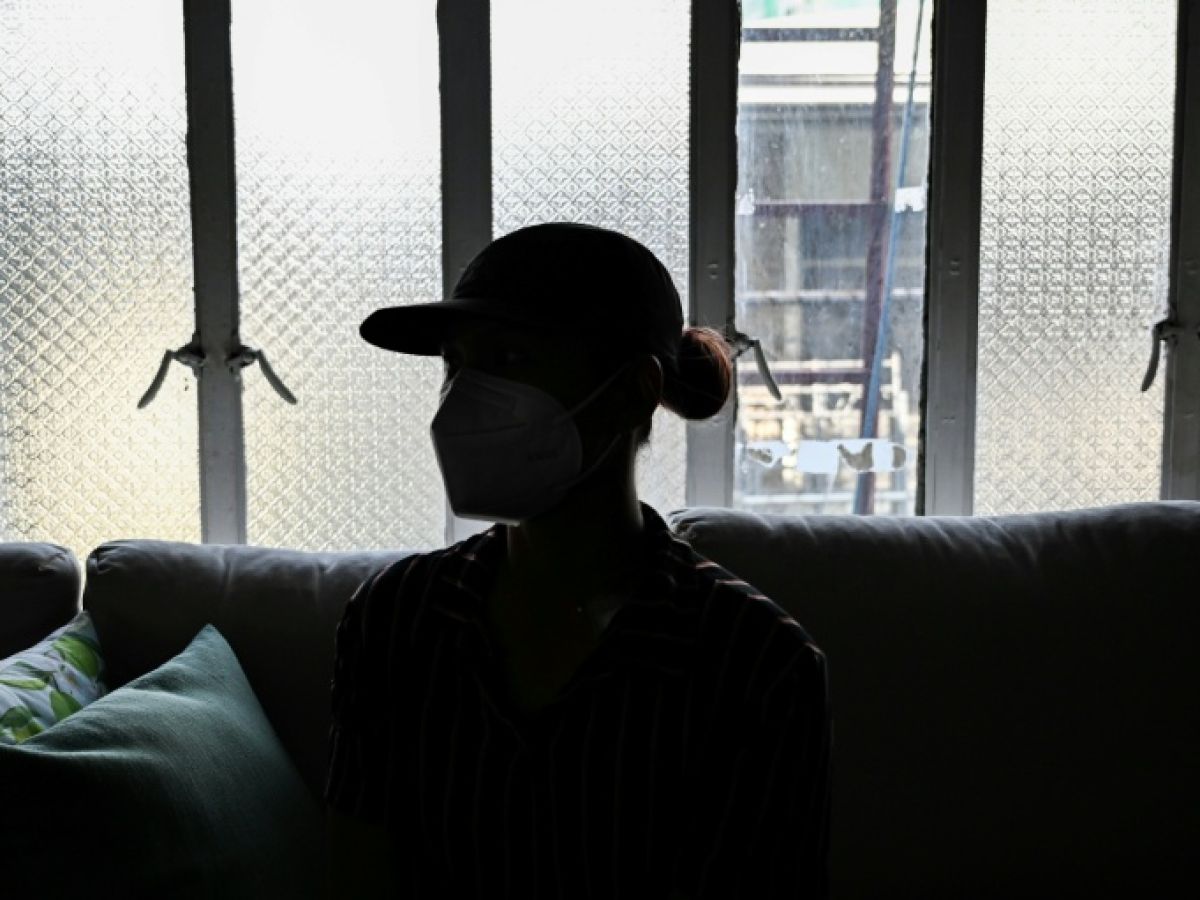
In the Philippines, where abortion is illegal, Jane bled for days without going to the hospital, before contacting the man she met online who had helped her terminate her pregnancy.
In this predominantly Catholic country, providing or receiving an abortion is punishable by six years in prison – in theory only, as the courts rarely hand down such harsh sentences.
Thousands of women like Jane who wish to end their pregnancies are forced to turn to online forums, where internet users promote abortions.
“It was really painful, like my abdomen was twisting,” Jane, whose name has been changed to protect her anonymity, told AFP. Six weeks pregnant, she recounted visiting a man, a self-proclaimed doctor, who inserted a pill into her cervix without anesthesia.
But the young woman is warned: if things go wrong, she must keep her abortion attempt a secret.

"I've heard stories of women who were reported to the police, ignored, or left for dead when they arrived at the hospital," the 31-year-old woman said.
Post-abortion care has been permitted for about ten years, but many caregivers are reluctant to provide it, fearing arrest or losing their right to practice, explains Dr. Junice Melgar of the Likhaan Center for Women's Health, which helps disadvantaged populations in Manila.
"I think that many professionals (...) would like to help" but it "scares" them, she judges.
– “Deterrent effect” –
Faced with the growing number of women searching on social media for how to terminate their pregnancies, a member of parliament proposed an inquiry in a resolution tabled in January.
Last year, the Senate urged the Ministry of Health and its Food and Drug Administration to crack down on what one parliamentarian called "shameless crimes."

While Jane acknowledges the risks, she says she fears that targeting internet users who call for help will limit women's access to clandestine abortions.
"This could have a deterrent effect and we won't know where to find good information," she anticipates.
A law on reproductive health services adopted in 2012 aimed to generalize sexual education and free contraceptives throughout the archipelago.
But this measure met with fierce opposition from the Catholic Church and conservative parliamentarians, who weakened its implementation.
"The Catholic Church will always oppose abortion and its applications," Father Dan Cancino of the Catholic Bishops' Conference of the Philippines told AFP.
In rare situations, such as ectopic pregnancies that threaten a woman's life, interventions that may result in the death of the fetus may be morally permissible, he added.
But the Church's position against "intentional abortions" is absolute, he clarified, even in cases of rape or for reasons of mental health or financial difficulties.
– “A health issue” –
According to a study by PINSAN (Philippine Safe Abortion Advocacy Network), more than 250 women are hospitalized every day due to complications from unsafe abortions. Approximately three of them die.
The organization has documented cases of women inserting metal coat hangers into their cervix or asking people to kick them in an attempt to induce an abortion.

"Some people oppose (abortion) because it goes against their morals," said lawyer Clara Padilla.
"We are simply saying that people need it, and that they should not be deprived of access to healthcare that can save their lives."
Jane, who said she suffered from abdominal pain, weakness and loss of appetite for almost three months after the procedure, told AFP she would make the same decision if she had to do it again.
"When abortion is discussed in the Philippines, the debate boils down to whether it is legal or moral. People forget that abortion is a health issue," she explains.
"It's my body, my health, my life, and it's up to me to decide what happens to it."
 English
  French