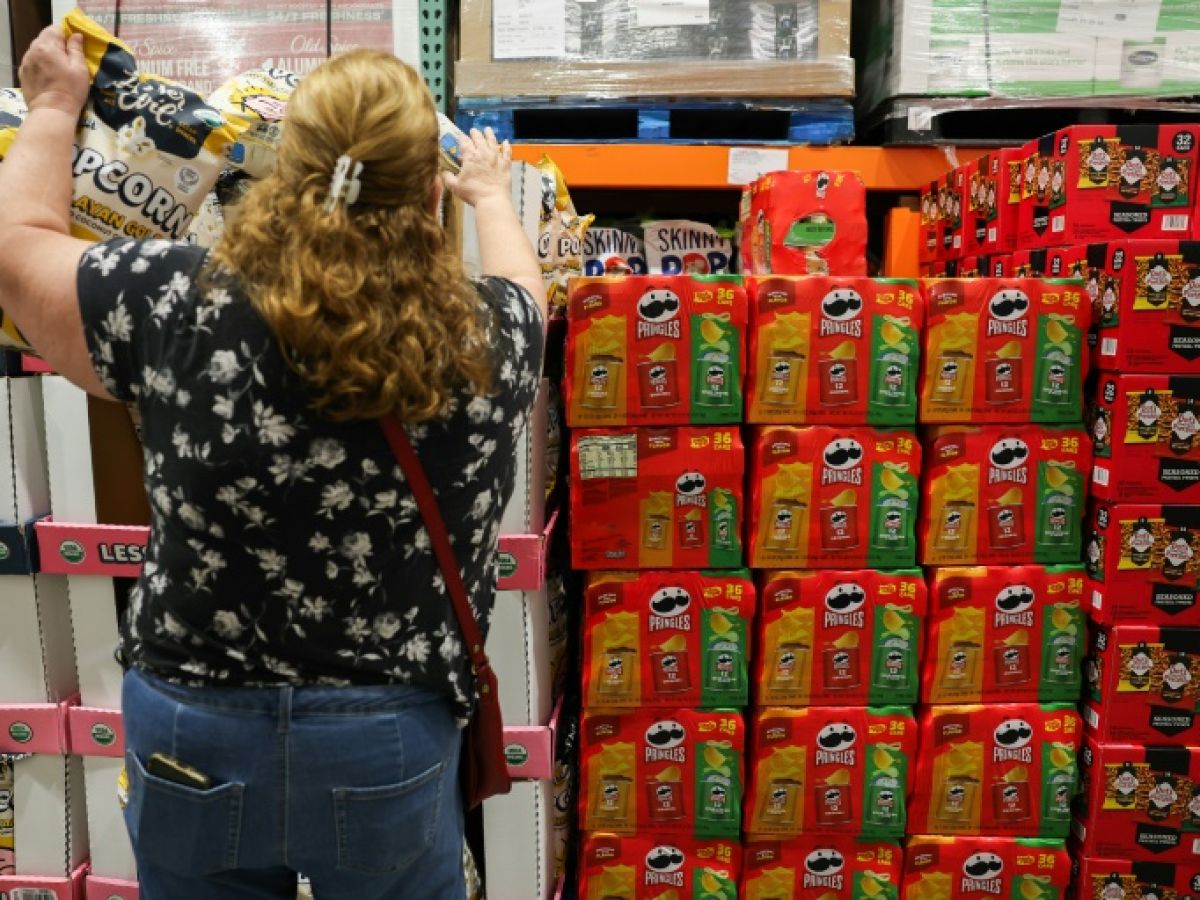
Mars, Coca-Cola, Nestlé… San Francisco launched an unprecedented legal action on Tuesday against a dozen ultra-processed food giants, accusing them of creating a “public health crisis” that is straining the finances of the American city.
The Democratic metropolis is thus targeting manufacturers of chips, sodas, prepared meals or even children's cereals, who manufacture their food in laboratories by incorporating numerous additives – colorings, emulsifiers, sweeteners, etc.

"These companies created a public health crisis with the design and marketing of ultra-processed foods," explained David Chiu, the city's district attorney. "They made enormous profits from it, and now they must take responsibility for the damage they caused."
According to the complaint, ultra-processed foods "account for more than 70% of supermarket products" in the United States, and "more than half" of the American diet.
Their omnipresence on store shelves has caused a "dramatic increase in the incidence of obesity, diabetes, heart disease, cancer and other chronic diseases," the city points out.
About 401% of Americans suffer from obesity, one of the highest rates in the world, and nearly 161% of them are diabetic, according to official statistics.
San Francisco is seeking unspecified damages for healthcare costs borne by the community.
She accuses the manufacturers of violating California's competition laws by adopting "unfair and deceptive marketing" similar to techniques used by the tobacco industry.
The ten companies being sued "did everything they could to deprive consumers of an informed choice," the complaint alleges. They "knew that the addictive foods they were creating were making their customers sick, and they hid the truth from the public."
Ultra-processed foods, which appeared towards the end of the 19th century, began to be mass-produced to feed American soldiers during the two world wars, before flooding supermarkets around the world in the second half of the 20th century.
But their harmfulness is increasingly being denounced and is emerging as a rare subject of political consensus in the United States.
Donald Trump's Secretary of Health, Robert Kennedy Jr., criticized for his anti-vaccine positions, is a very active critic of junk food and has made the fight against obesity and diabetes a priority.
Under his pressure, major ice cream manufacturers have pledged to phase out synthetic colorings from 2028.
Specifically, the San Francisco complaint targets Kraft Heinz Company, Mondelez International, Post Holdings, The Coca-Cola Company, PepsiCo, General Mills, Nestlé USA, Kellogg, Mars Incorporated, and ConAgra Brands.
The Consumer Brands Association, which represents several of these companies, issued a statement saying that food giants are currently working to design products with more protein and fiber, and less sugar and synthetic colors.
"There is currently no consensus scientific definition of ultra-processed foods, and attempting to classify foods as unhealthy simply because they are processed, or demonizing foods by ignoring their full nutritional content, misleads consumers and exacerbates health disparities," said Sarah Gallo, an official with the organization.
 English
  French