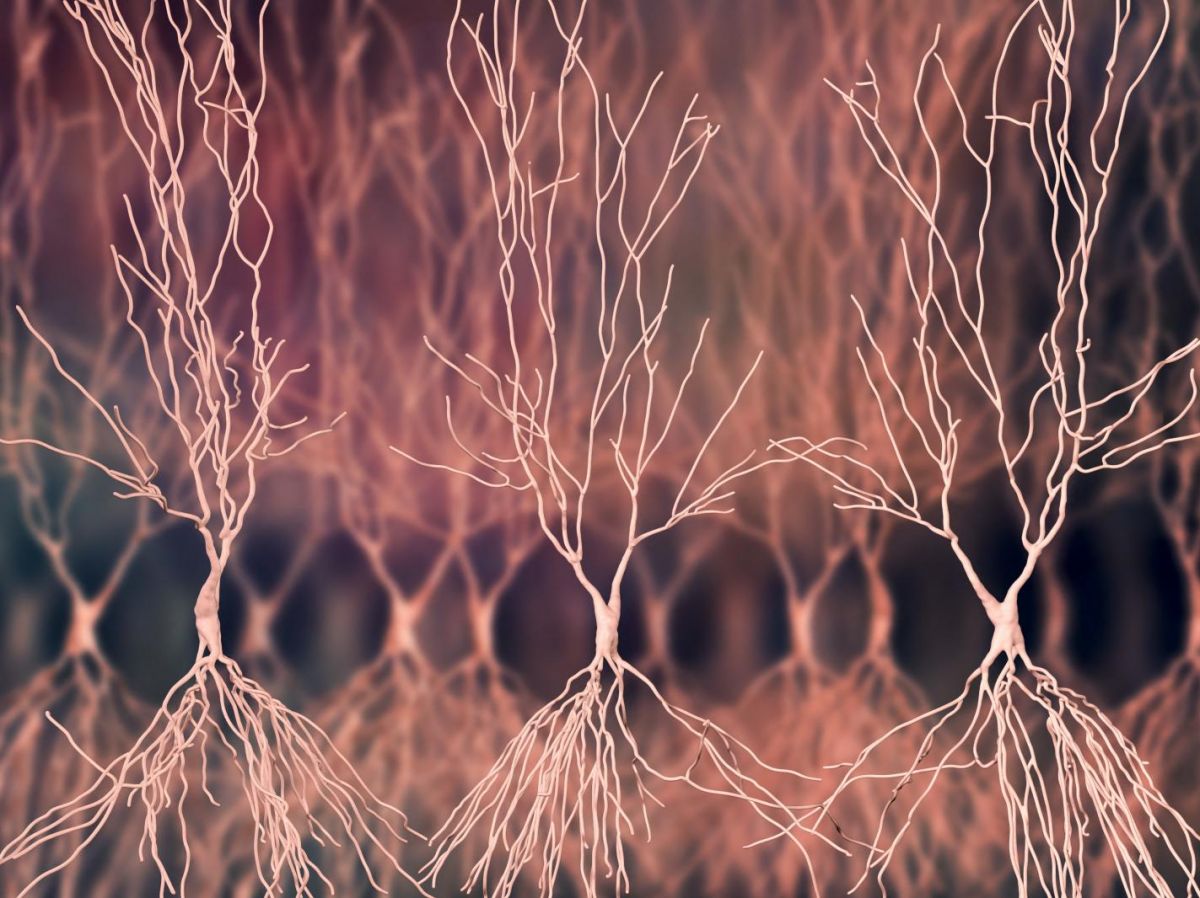

“ We keep it, we keep it a little, we don't keep it"If our brains functioned in the hands of little characters in front of a control panel, like in a cartoon Vice versaThe one in charge of memories would likely be a minor bureaucrat armed with at least three types of markers. In reality, three proteins, veritable "molecular timers," have been identified by researchers as each responsible for marking memories to be retained in the short, medium, and long term. AshIl, the one involved in long-term memory retention, belongs to a family of proteins already known to scientists, which participate in the preservation of immune memory after an infection!
Read alsoWhen memory plays tricks on us and creates memories that are more false than reality
 English
  French