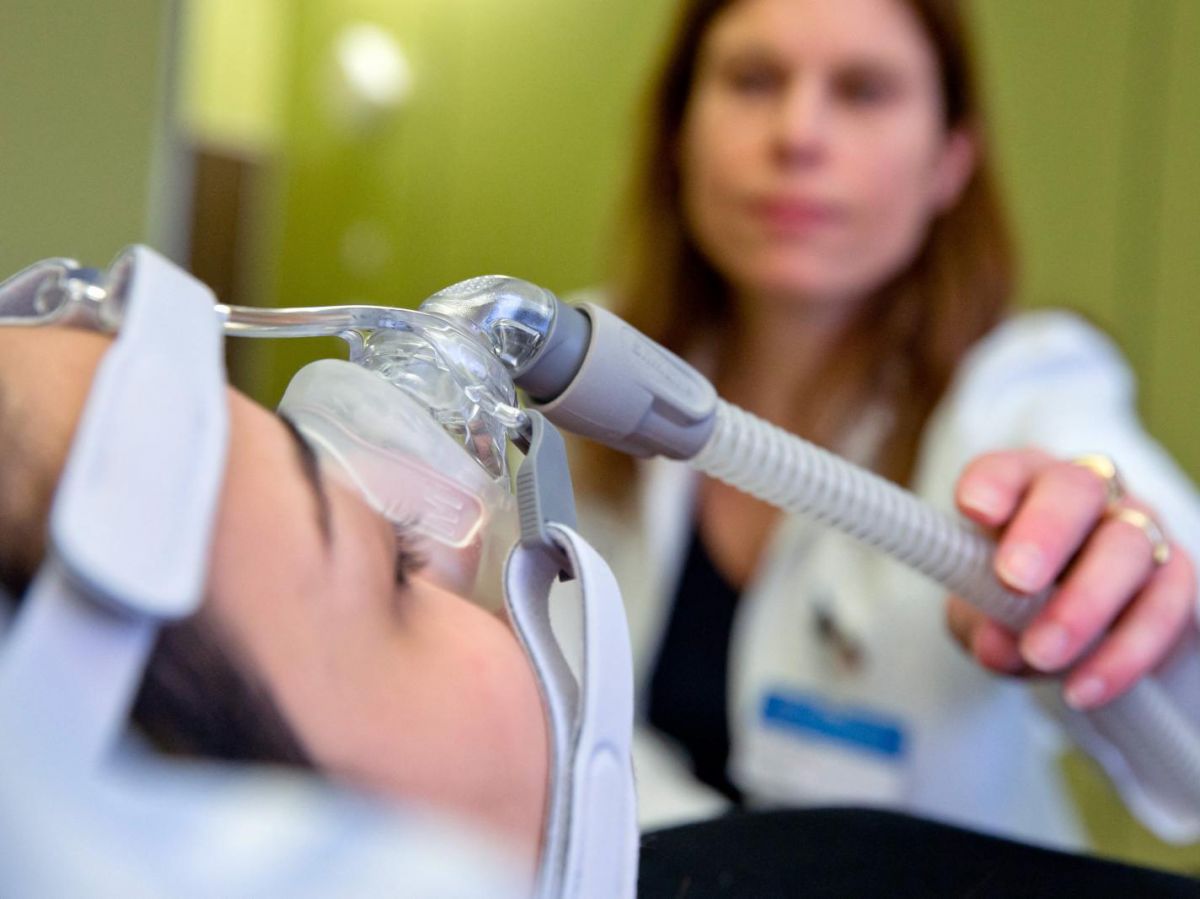
L'sleep apnea is one of the most common sleep disorders. According to InsermThese involuntary interruptions of breathing affect approximately 30% of people over 65. This temporary lack of oxygen causes unconscious micro-awakenings that disrupt sleep, with significant physiological consequences, potentially leading to metabolic complications that can affect the liver, a central organ of metabolism, which is very oxygen-intensive. In a study published on February 25, 2026, in the journal Science AdvancesResearchers from Université Grenoble Alpes and Inserm highlight how these intermittent hypoxias disrupt the circadian cycles that regulate liver metabolism, in a failed attempt to adapt the body to the stress caused by these apneas.
The liver adapts to apnea by reprogramming its cells
To study the consequences of sleep apnea, researchers used an animal model: healthy mice were exposed to a drastic drop in oxygen concentration in the air of their cages, followed by a return to normal, a cycle that repeated every minute during the rodents' eight hours of sleep. This nocturnal stress caused physiological and behavioral disturbances in the mice. However, they adapted after three to four weeks, returning to normal behavior.
However, this return to normal masked a chronic dysregulation at the molecular level. Researchers analyzed gene expression in the livers of mice, focusing on genes that naturally exhibit circadian rhythms, meaning their expression fluctuates according to the time of day. This analysis revealed significant changes: the expression of approximately half of the genes studied increased abnormally during sleep, while only 28 of the genes maintained their normal expression cycle. This suggests that if the physiology of mice manages to adjust to this hypoxic stress, it is thanks to a significant reprogramming of its gene expression, allowing it to adapt to these new conditions.
Apnea causes energy stress to which the body must adapt.
This adaptation relies in part on genes involved in cell cycle regulation and growth factors, which are normally activated during liver damage requiring organ regeneration. Another important group of genes activated by apnea relates to sugar and fatty acid metabolism, while genes important for energy production from oxygen are less expressed. These changes highlight an energy readjustment: oxygen deprivation disrupts aerobic energy production, and the cell adapts by activating alternative pathways to produce sufficient energy.

This constant was verified by looking at the production of metabolites by liver cells. Due to intermittent hypoxia, there was a decrease in the concentration of molecules important for energy production by the mitochondria (in the respiratory chain or the Krebs cycle, two processes that require oxygen). Meanwhile, there was an increase in the molecules necessary for the use of glucose and fatty acids, as well as those used for energy storage in the form of glycogen.These results show that chronic intermittent hypoxia plays a role as an environmental cue that leads to a reprogramming of the circadian architecture of hepatic metabolism, synchronizing energy production and substrate utilization to recurrent hypoxic stress during the resting phase., the authors conclude.
A protein acts as a temporal regulator of metabolic genes.
The observed genetic reprogramming was largely mediated by the Creb1 protein, a transcription factor that activates a significant number of genes. Sleep apnea had a direct effect on this protein, leading to its phosphorylation, which altered its activity, increasing it during the rest phase. Thus, 61 % of the genes targeted by Creb1 increased their expression, peaking at the sixth hour of this sleep phase. Thanks to these modifications, the mice increased their capacity for rapid glucose production (through a process of gluconeogenesis)allowing them to respond quickly to metabolic changes caused by hypoxia: If the amount of oxygen decreases, causing the cessation of energy production in the mitochondria, glycolysis can take over, using glucose produced by the liver, in order to compensate for the drop in mitochondrial energy production.
According to the authors, this new knowledge could help find a way to modulate Creb1 activity in people with sleep apnea. This would help their livers better manage energy production, mitigating the metabolic consequences caused by this sleep disorder.
 English
  French