

This article is taken from the monthly magazine Sciences et Avenir n°947, dated January 2026.
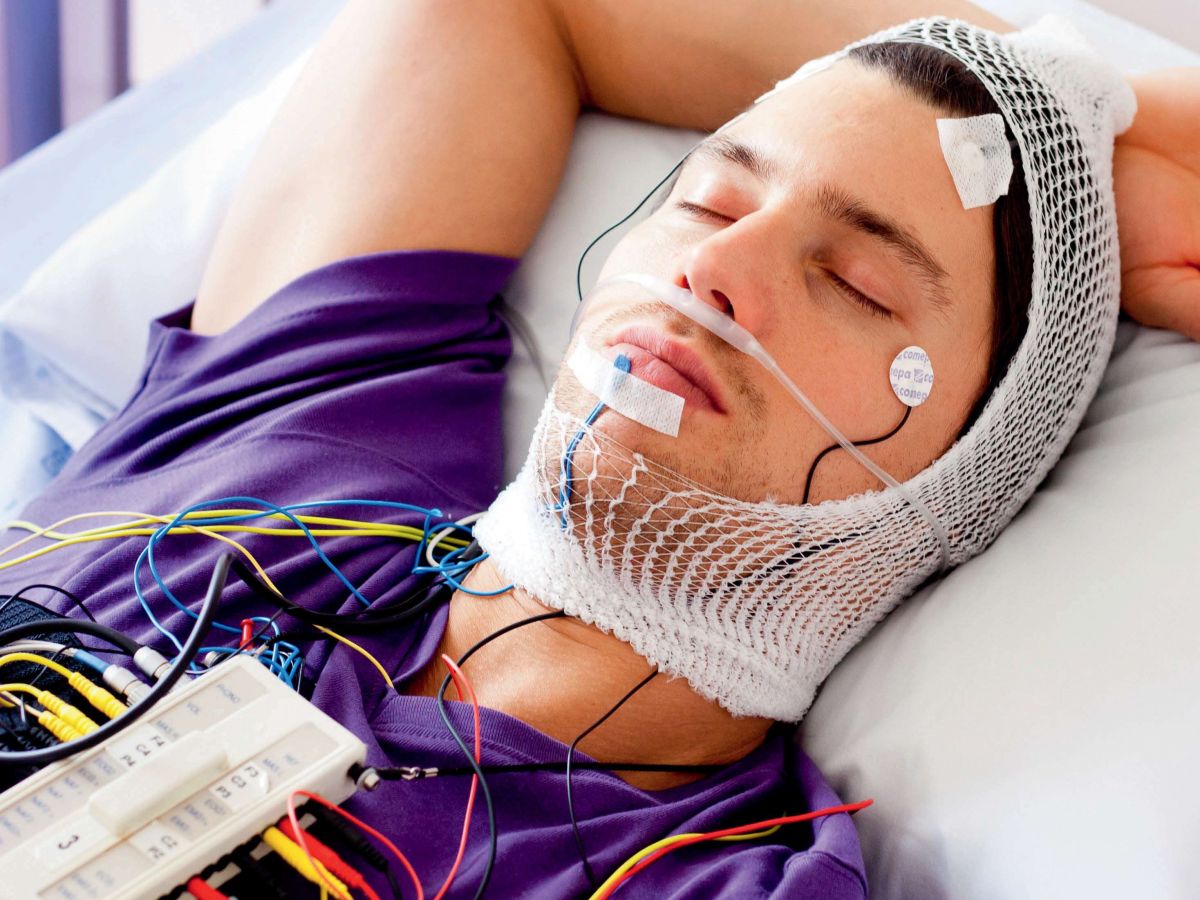
In the evening, before falling asleep, Taichi Itoh, an assistant professor at the Faculty of Arts and Sciences at Kyushu University in Japan, delights in immersing himself in a world of tentacles and neural networks. "I wonder if the transitions between activity and quiescence [rest] The patterns I observe in cnidarians could reflect, in a deeply conserved way, the transitions seen in human sleep, for example between slow-wave sleep and REM sleep. he confides. I also wonder if what we call 'dreams' In humans, this could have a primary equivalent in the nervous system of the common hydra during its sleep state, perhaps by reorganizing synaptic connections or resetting homeostatic balance. [an internal regulatory mechanism that maintains temperature, blood glucose or fluid and electrolyte balance, thanks to the nervous and endocrine systems]. »

 English
  French