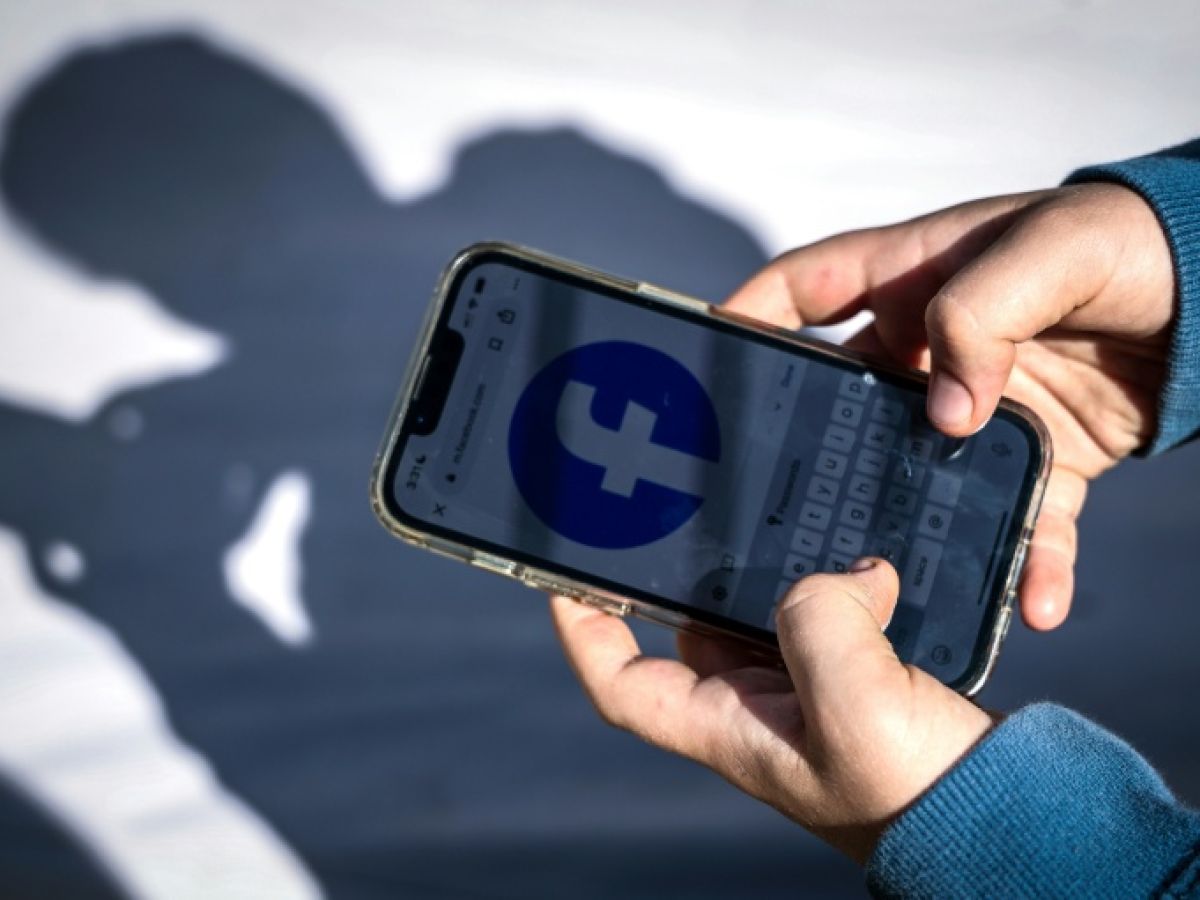
The use of social networks is detrimental to the mental health of adolescents, particularly girls, according to the French health security agency, at a time when several texts aimed at banning them for those under 15 are being prepared.
While they are not the sole cause of the decline in the mental health of teenagers, the negative effects of social networks, recently banned for those under 16 in Australia, are "numerous" and "documented," Anses said Tuesday in an opinion, the result of five years of work by a multidisciplinary committee of experts.
The ban on social networks for those under 15 is currently the subject of several bills: one initiated by President Emmanuel Macron, another by Gabriel Attal's Renaissance group, and others in the Senate.
ANSES recommends "acting at the source" so that minors only have access to "social networks designed and configured to protect their health".

This implies that platforms will modify content personalization algorithms, persuasive interface techniques and default settings, the agency points out.
Among the platforms contacted by AFP on Tuesday, Snapchat and X did not respond, and Meta declined to comment.
TikTok has listed the measures put in place to "protect" young people, including parental control features and messages encouraging those under 16 to disconnect.
The Anses study "provides scientific arguments to the debate on social networks in recent years: it is based on 1,000 studies," Olivia Roth-Delgado, coordinator of the expertise, told the press.
The ambition is to create a governance framework "up to the challenges", according to Olivier Merckel, head of the unit for the Evaluation of risks related to physical agents at Anses, stressing that establishing "robust control actions" to protect the health of minors "is the responsibility of the platforms".
These companies must deploy "reliable systems for age verification and obtaining parental consent" in order to comply with the European Digital Services Act (DSA) and the General Data Protection Regulation (GDPR). The latter allows registration from the age of 13, with parental validation required between the ages of 13 and 15.
– “Normative ideals” –
For Anses, the "attention-grabbing systems" of the platforms "exploit vulnerabilities specific" to adolescents (tendency to take risks, to social comparison, etc.) while they do not have the "emotional and behavioral regulation capacities" of adults.
The networks accessed on smartphones, on which half of 12-17 year olds spend two to five hours a day, are an "unprecedented echo chamber" that reinforces stereotypes, highlights risky behaviors and promotes cyberbullying.
This stems from an economic model that "maximizes usage time" for profit and from "attention-grabbing strategies" that encourage teenagers to stay connected at the expense of their sleep. This leads to drowsiness, irritability, sadness, and "promotes depressive symptoms," notes ANSES.
In addition, the content conveys unattainable "normative ideals," internalized by girls through retouched images, which can "generate a devaluation of self," a "fertile ground" for depressive symptoms and eating disorders.
Content personalization algorithms expose some minors to publications inciting suicide, self-harm or risky behavior (dangerous challenges, drug use, alcohol, tobacco…) and cyberviolence.
Girls are more likely to use social networks than boys, are more subject to "social pressure linked to gender stereotypes" and are more cyberbullied, so they are "more impacted", notes Anses, as are LGBTQI people and young people with psychiatric disorders.
In 2024, lawyer Laure Boutron-Marmion filed a class-action lawsuit against TikTok in the Créteil court (Val-de-Marne) on behalf of seven families devastated by the suicide or attempted suicide of their children. These families accuse the platform of allowing the circulation of content promoting suicide, self-harm, and eating disorders to their children, who have fallen "into the deadly cauldron" of TikTok, the lawyer told AFP.
 English
  French