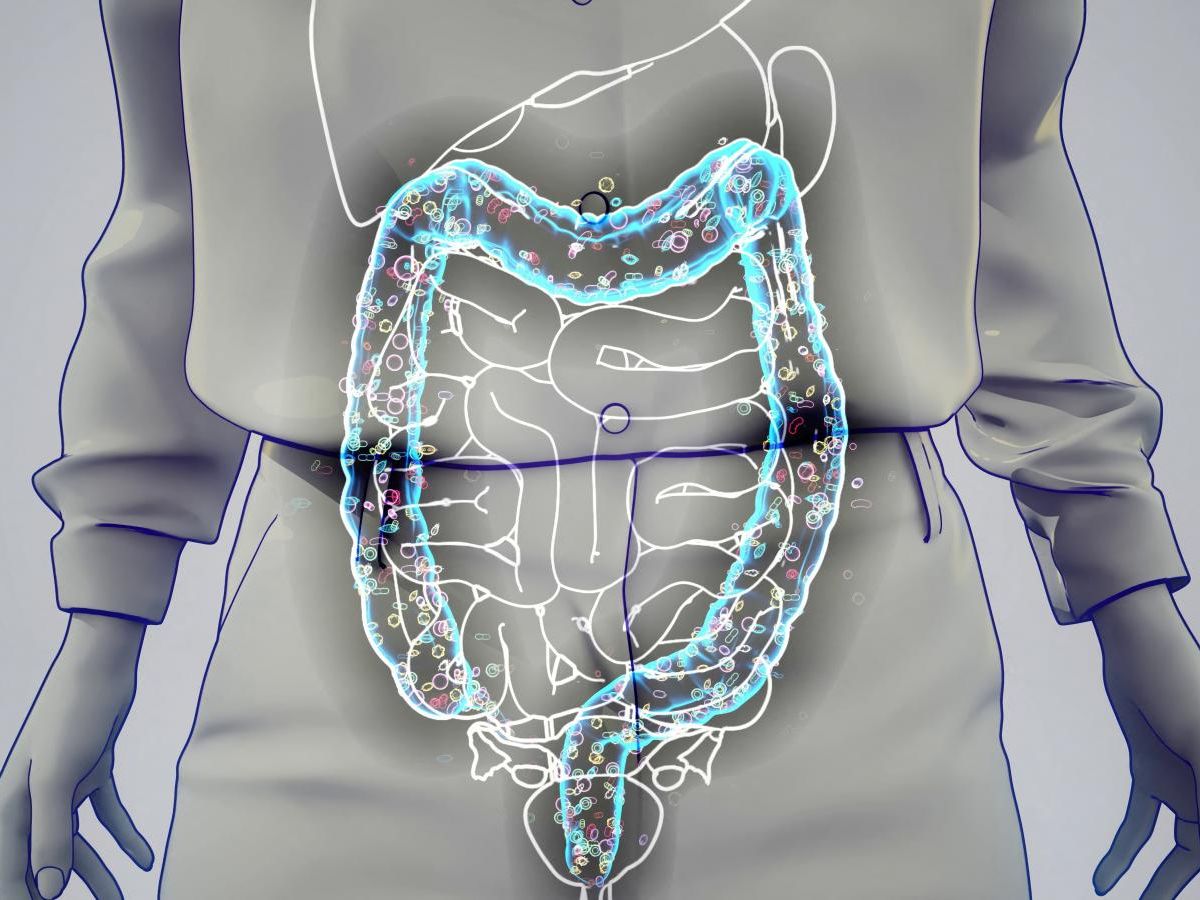


Encompassing a range of different pathologies, including the Crohn's disease Ulcerative colitis and inflammatory bowel diseases (IBD) affect nearly 300,000 people in France. They are characterized by inflammation of the lining of the digestive tract. There is no specific treatment for these diseases, and medical research has yet to fully understand their origins. The likely cause is a dysregulation of the immune system. But what causes it, and what are its repercussions on the body?
A disrupted microbiota
It is in this context that today's issue of the magazine Gastroenterology A large international study conducted by the University of Birmingham (United Kingdom). Carried out on 1700 children and adults from 11 countries recently diagnosed and not receiving any treatment, it sheds new light on these diseases.
This work shows, in particular, that patients recently diagnosed with Crohn's disease and ulcerative colitis experienced a complete upheaval of their gut microbiota populations. Commensal bacteria that facilitate the digestion of complex carbohydrates or slow-release sugars are completely depleted. Conversely, other species that are resistant to oxygen and normally proliferate primarily in the mouth, such as... Haemophilus and the Granulicatella, migrated en masse to the intestines.
A migration from the mouth to the intestines
According to researchers, in the early stages of IBD, this massive migratory influx of bacteria from the mouth to the intestines could play a role in triggering inflammatory processes by disrupting the delicate balance of the bacterial populations within our bodies. This opens the door to the possibility of very early diagnoses and new treatments for people suffering from these diseases.
 English
  French