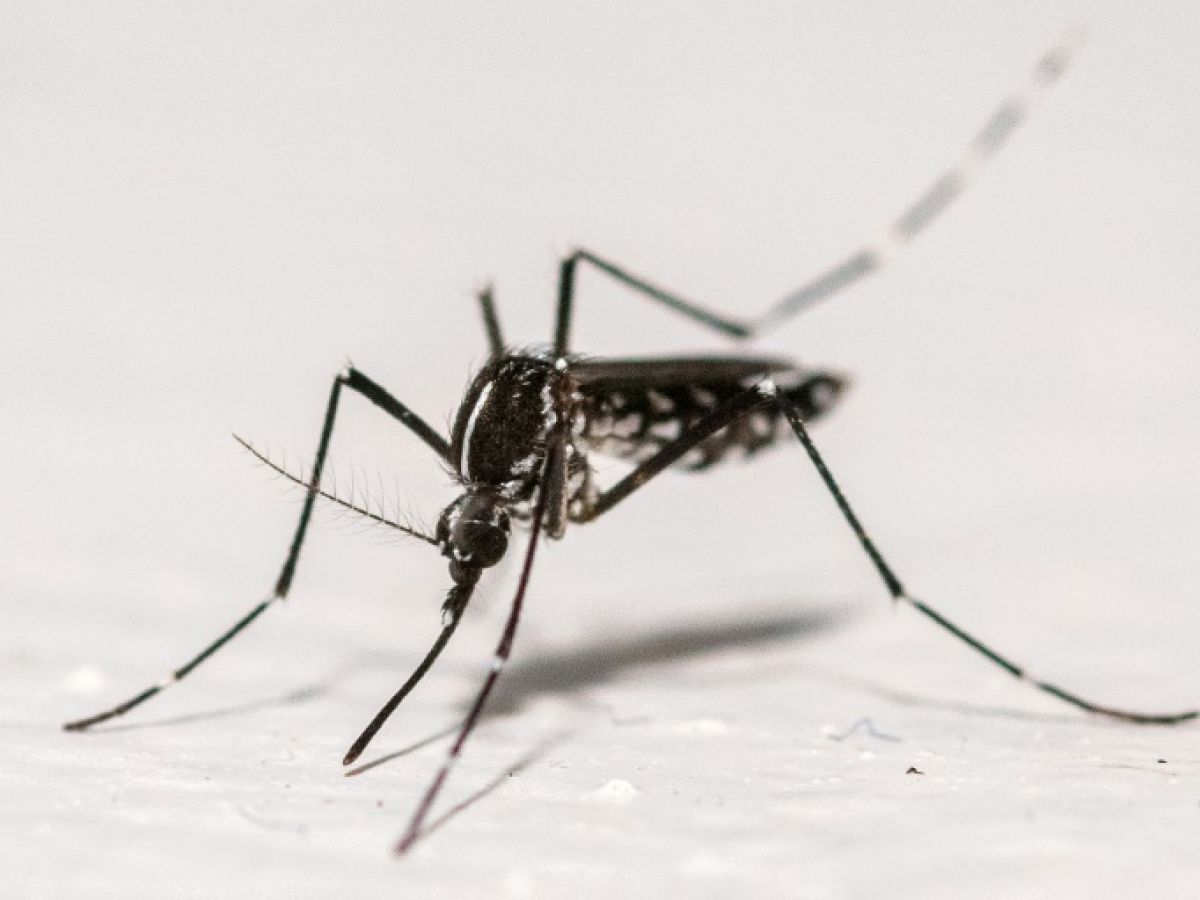
"As of mid-November, transmission has slowed considerably and the majority of outbreaks are now inactive."Public Health France noted in its weekly report that the activity of tiger mosquitoes, which transmit the virus that causes chikungunya, has increased. "is decreasing significantly and transmission should cease," the agency specifies, noting that the last identified local case had seen its symptoms appear on October 30 in Antibes.
The chikungunya epidemic, a disease with symptoms similar to the flu, will have been of exceptional magnitude this year in mainland Francewith more than 800 locally acquired cases recorded. Until then, records peaked at around thirty cases per year for this disease, which was long confined to the tropics.
The most severe epidemic in 20 years on the island of Réunion
This exceptional situation is partly explained by a severe epidemic, the most serious in 20 years, in the French overseas territories of Réunion and the Indian Ocean region. This has led to the arrival of imported cases, which have subsequently facilitated infections within mainland France.
But, more generally, global warming is promoting the establishment of the tiger mosquito in regions where it was absent a few decades ago.

The tiger mosquito also transmits dengue fever, but this year has been less significant in this regard: the city has recorded 29 locally acquired cases, far from the record for the entire year of 2024 (66 cases). All outbreaks are now contained.
A stable situation for West Nile fever
The situation has also stabilized for West Nile fever, transmitted by the Culex mosquito, which is more common in Western Europe: 59 autochthonous cases have now been recorded this year in mainland France, only one more than at the beginning of November, but already a record: the previous one was in 2023 with 43 cases.
Read alsoRecord number of cases of mosquito-borne diseases in Europe
Three deaths in total have been recorded as a result of this disease, a toll that has not increased for several weeks.
 English
  French