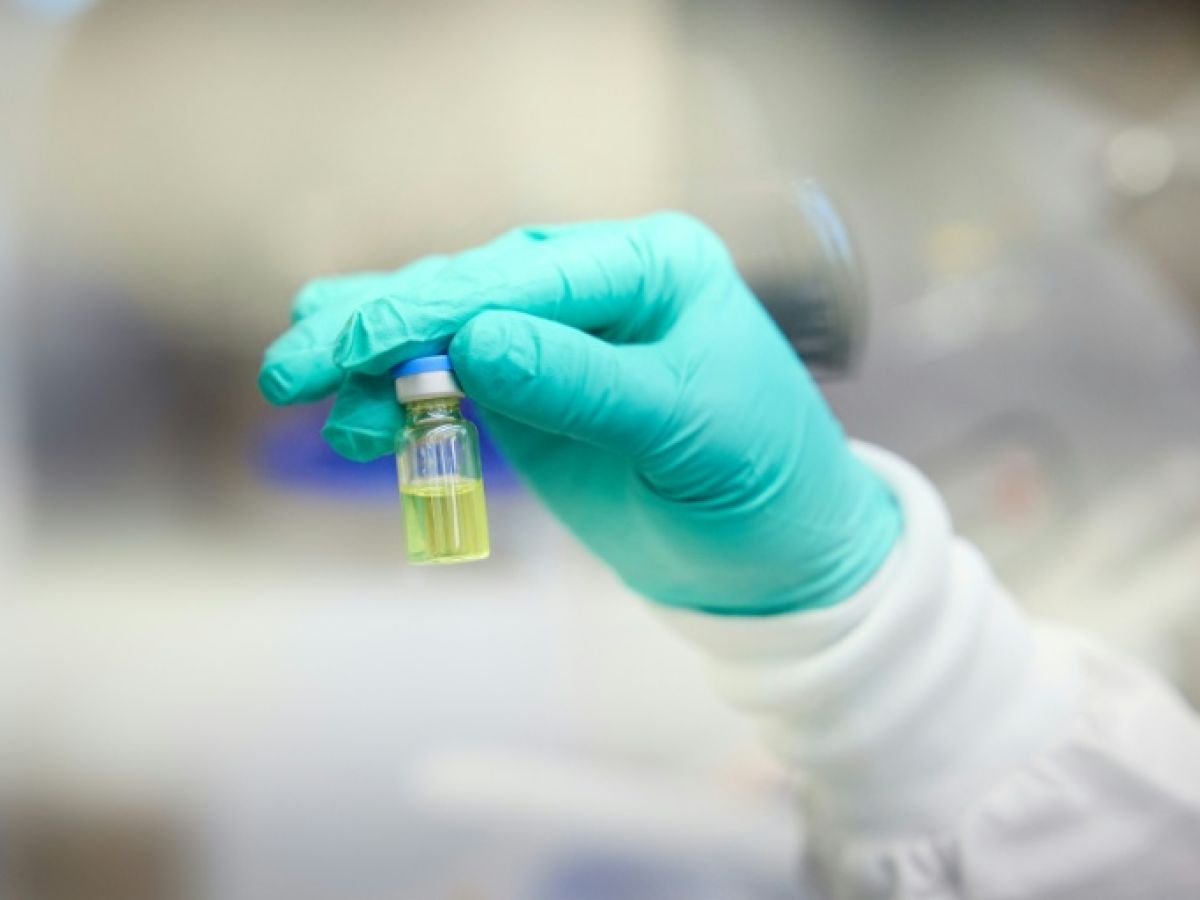
South Africa, Eswatini and Zambia began administering the first doses of a preventative HIV treatment on Monday, marking the first use of this highly promising drug in Africa, the continent hardest hit by the pandemic.
Lenacapavir is a new injectable treatment for HIV that only needs to be taken twice a year. According to experts, it represents a huge improvement over treatments requiring a daily pill.
Studies have shown that it reduces the risk of transmission by 99.91% and has proven its safety. Manufactured by the American laboratory Gilead Sciences, lenacapavir could significantly reduce the number of new HIV infections, particularly among pregnant and breastfeeding women.
"The first people started using lenacapavir for HIV prevention in South Africa," constituting "one of the first real uses" of the treatment "in low and middle-income countries," said Unitaid, an international organization aiming to fight diseases in poor countries at a lower cost.
One in five adults in South Africa is living with HIV.
It was not specified how many people received the first doses of the drug, as part of this distribution overseen by Wits University with a view to future nationwide deployments in South Africa and other countries.
Lenacavapir costs $28,000 per person per year in the United States. Generic versions should be available for $40 per year in more than 100 countries by 2027, Unitaid and the Gates Foundation announced in September.
Two other southern African countries, Zambia and Eswatini, received a thousand doses last month, funded by a US government program, and were due to begin administering the drug during World AIDS Day ceremonies on Monday, according to official sources.
As part of the program, manufacturer Gilead Science agreed to provide lenacapavir at no profit to two million people for three years in countries heavily affected by HIV.
Critics point out, however, that this falls far short of real needs and that the market price is out of reach for most people.
The United States, at loggerheads with Pretoria on several issues since Donald Trump's return to the White House, announced that it would not finance the supply of doses to South Africa.
"We obviously encourage every country, particularly countries like South Africa that have sufficient resources of their own, to finance (the purchase of) doses for their own population," Jeremy Lewin, a senior State Department official, told reporters in Washington in mid-November.
East and Southern Africa account for approximately 521% of the 40.8 million people living with HIV worldwide, according to UNAIDS data for 2024.
 English
  French