The "sedimentation rate", a blood test measuring the degree of inflammation in the body, carried out several million times a year in France, has only limited value and should no longer be prescribed, the High Authority for Health (HAS) said on Monday.
"The measurement of sedimentation rate has not demonstrated any medical benefit in the indications evaluated and recommends stopping its prescription and use, regardless of the clinical situation," announces the HAS in a press release, whose recommendations are only advisory but are generally followed by the State.

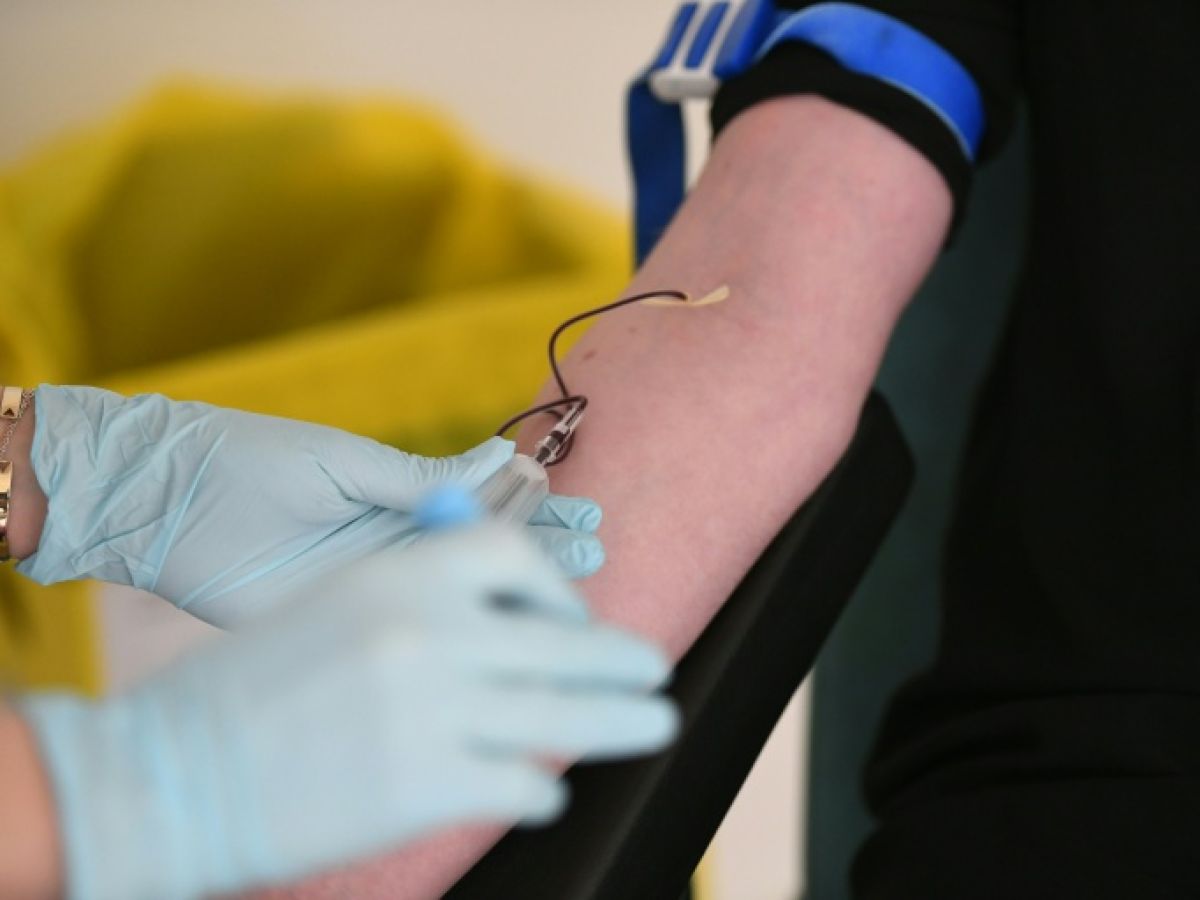
The test is performed using a blood sample. This is placed in a tube and the speed at which the red blood cells sink to the bottom is measured.
The goal is to measure the degree of inflammation in the body. Indeed, an inflammatory reaction accelerates the rate at which red blood cells settle.

"This measure has been very widely used for several decades," the HAS points out, noting however that it is becoming less and less frequent.
The High Authority for Health was asked by the National Union of Health Insurance Funds (UNCAM) to assess the relevance of this test.
It is still prescribed for several indications such as routine check-ups in asymptomatic patients, systemic lupus, rheumatoid arthritis, Hodgkin lymphoma, multiple myeloma…
The HAS assessment highlighted three major drawbacks of sedimentation rate:
It is used in particular for routine check-ups in patients without any particular symptoms. According to the HAS, it was performed 16 million times in 2023, costing the national health insurance system 12 million euros.
However, the authority judges that this test now appears largely obsolete due to its numerous shortcomings. First, it lacks precision: if it is carried out several times on the same sample, the results vary considerably.
Furthermore, it lacks responsiveness. Inflammation takes a long time to translate into a higher sedimentation rate. Therefore, normal results can be obtained even when inflammation is present.
Finally, it lacks specificity. Other factors, starting with age and sex, can affect the sedimentation rate, which limits its usefulness as an indicator of inflammation alone.
The HAS therefore recommends prioritizing other tests, which it considers more effective, such as the measurement of C-reactive protein (CRP). It points out that these tests are already reimbursed by the national health insurance.
 English
  French