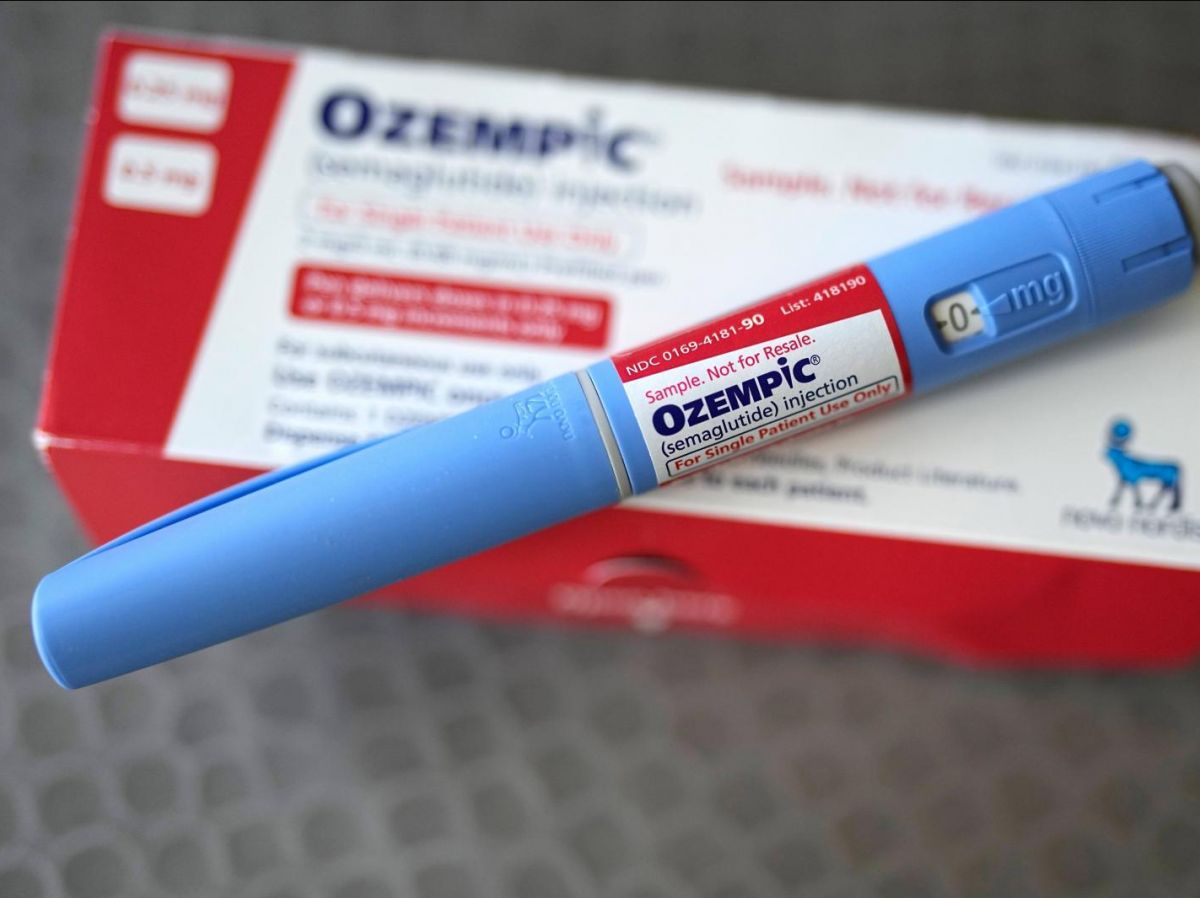
The most effective GLP-1 treatments for obesity are also those that cause the most side effects, and all of these drugs have little proven effect on quality of life, according to a large synthesis of available studies published on Thursday, July 9.
“ The most significant benefits are generally associated with more adverse effects, constraints for patients, and dropouts.", conclude the authors of this work, published in the BMJ journal and based on more than 200 studies on GLP-1 treatments.

These drugs, initially developed against diabetes, are now used to promote weight loss, an indication in which they have shown unparalleled effectiveness.
The work published in the BMJ aims to compare treatments, their effectiveness and their drawbacks, primarily unpleasant side effects, often including digestive problems such as nausea and vomiting.

The most effective GLP-1 treatments are tirzepatide (Mounjaro, from Eli Lilly) and CagriSema.
The study shows that the most effective GLP-1 treatments are tirzepatide, marketed under the name Mounjaro by the pharmaceutical group Eli Lilly, and CagriSema, a drug under development by its competitor Novo Nordisk that combines the GLP-1 molecule semaglutide with another active ingredient, cagrilintide. With these two treatments, weight loss is on the order of 151 PT/3T.
For semaglutide alone, marketed under the brand name Wegovy, weight loss is only about 10%. However, semaglutide alone, along with tirzepatide, is one of the few GLP-1s to show truly convincing results in reducing cardiovascular risks, an area in which this class of treatments is widely considered promising.
Side effects sometimes very serious
More generally, while experts are trying to assess the extent to which the benefits of GLP-1 drugs justify their sometimes significant side effects, none of these medications has, according to this study, demonstrated an overall improvement in patients' quality of life. However, long-term data in this area remains limited, and the authors call for more comprehensive, longer-term studies.
Read also GLP-1 analogues in the treatment of obesity: beware of the risks
“ This study represents an important step", praised two American obesity experts, Hamlet Gasoyan and Michael B Rothberg, in an independent commentary, also published in the BMJ, emphasizing that it allowed patients and doctors to better compare treatment options in a rapidly evolving field.
The stakes are also high for health authorities, who must decide on the level of coverage for these treatments, all of which are quite expensive. France has just authorized reimbursement for Wegovy and Mounjaro, but according to strict criteria that exclude many patients.
 English
  French