The number of reported cases in the meningococcal meningitis outbreak that has killed two people in southeast England was revised down Sunday from 34 to 29 cases, of which 20 were confirmed, health officials said.
Following further testing, the number of suspected cases fell from 11 to 9, and the number of confirmed cases from 23 to 20, the UKHSA health security agency said.
Health Secretary Wes Streeting praised the "Herculean efforts" made to protect the population and care for the sick over the past week. He had stated on Tuesday that this outbreak was "unprecedented."
In total, 9,078 vaccines have been administered as part of a targeted campaign against meningococcus B, launched by the authorities, and 12,595 doses of antibiotics have been distributed in Kent, the region where the epidemic is raging, UKHSA said.
This treatment is intended for students at the University of Kent, anyone who visited the Club Chemistry nightclub in Canterbury between March 5 and 7, the likely source of the outbreak, as well as close contacts of people infected or suspected of having been infected.
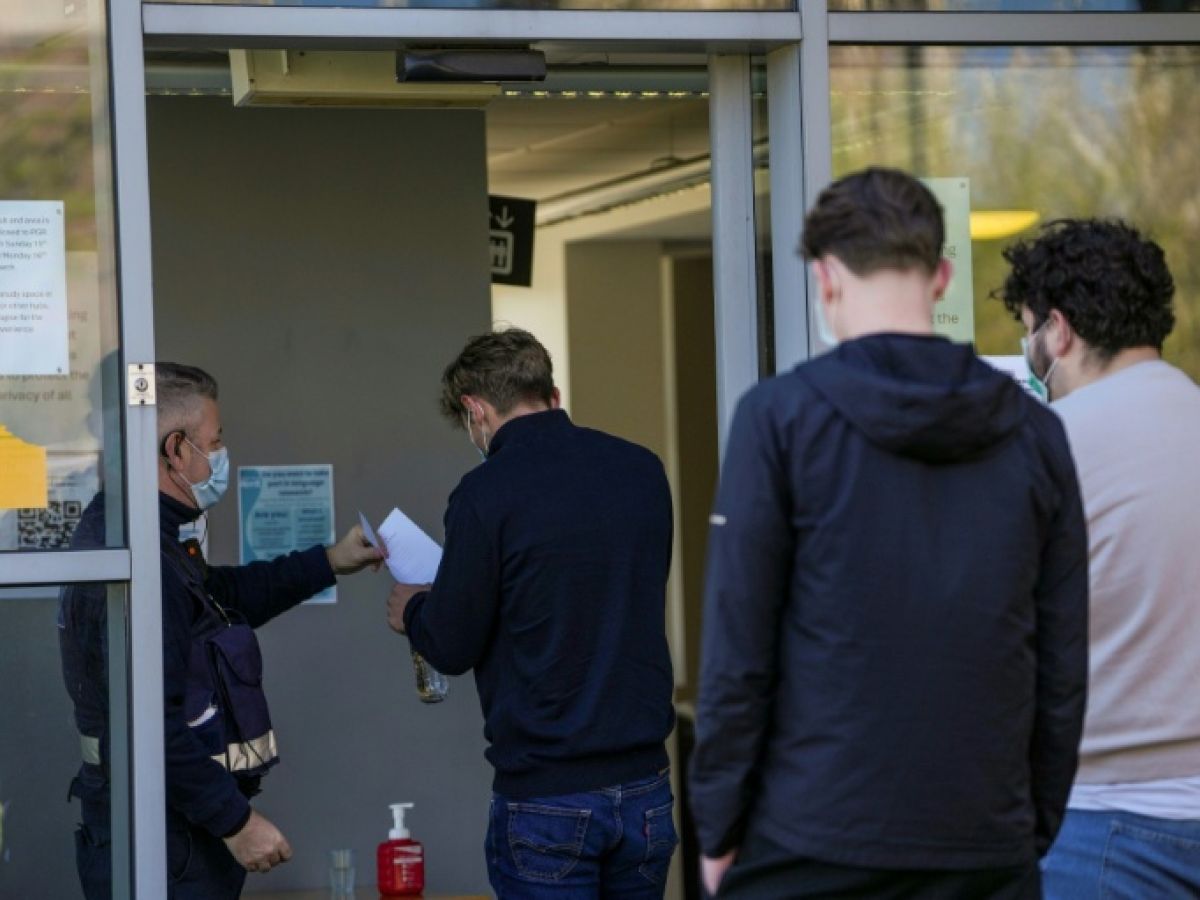
Dozens of eligible people continued to receive vaccines or antibiotics on Sunday, but there was no longer a queue outside the University of Kent vaccination centre in Canterbury, which had been very busy the day before.

Juliette Kenny, an 18-year-old high school student, and a 21-year-old student from the University of Kent, died after contracting this serious bacterial infection.
In the United Kingdom, infants have been vaccinated against meningococcus B since 2015, but generations born before that date are not covered.
 English
  French