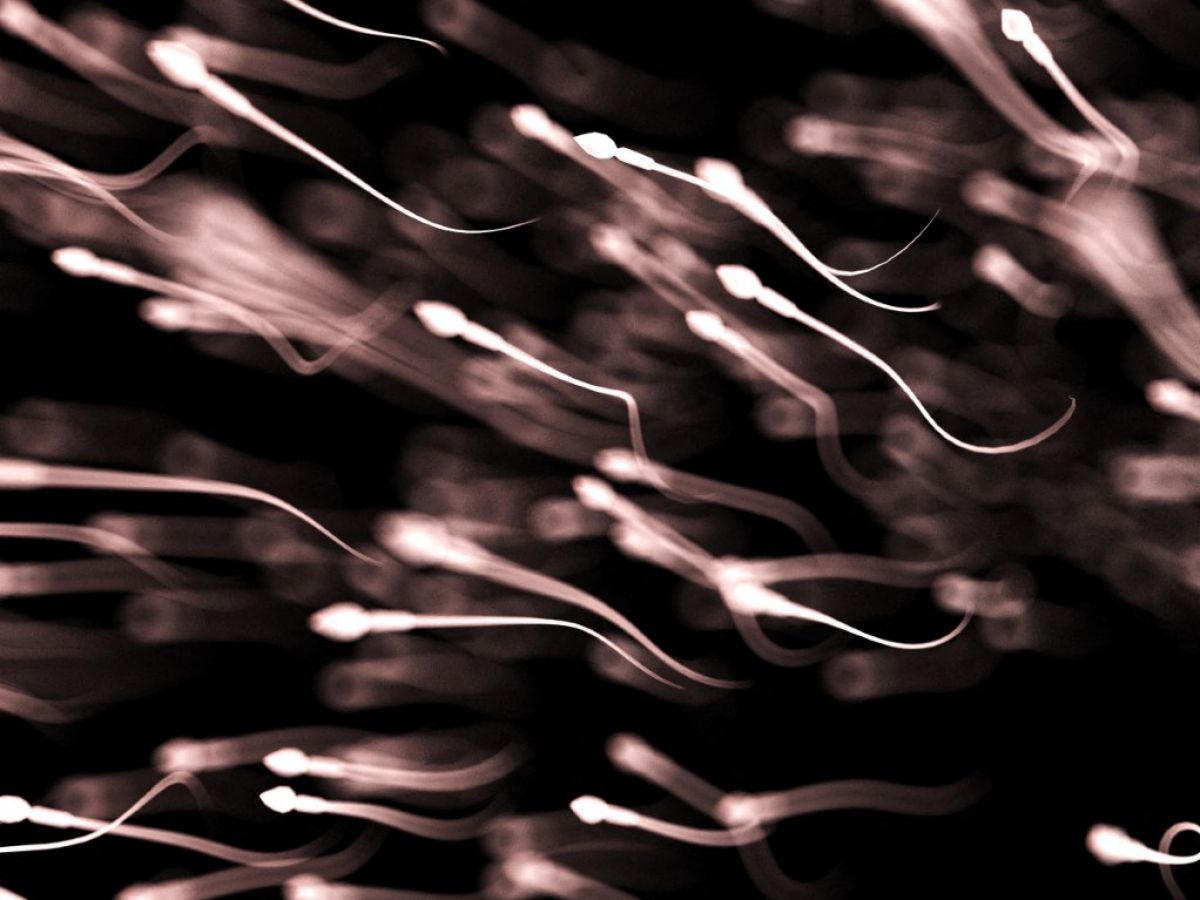
Each day, approximately 200 million sperm are produced by the testicles in men, and this intense cell proliferation exposes them to errors in DNA copying, causing mutations. A first study of sperm DNA sequences, conducted by researchers at the Wellcome Sanger Institute in the UK and published in the journal Naturereveals that the proportion of mutated sperm increases with age and explains why.
A mutation that can exceed 3% in sperm from the age of 50
British geneticists used high-precision, ultrasensitive sequencing technology to sequence the DNA of individual sperm. They show that the proportion of sperm carrying a mutation found in a genetic developmental disease or cancer doubles between the ages of 30 and 70.

This proportion, which can exceed 3% in sperm cells from the age of 50, surprised researchers with its significance and explains the increasing risk of genetic disease or cancer in children observed with the father's age. This risk is nevertheless mitigated by the fact that the detected mutations will not always allow a child to develop and be born. The frequency of mutations in sperm cells also remains significantly lower than that observed in other tissues of the body, thanks to a protective mechanism that remains to be elucidated.
Read alsoWe finally know how the egg closes to accept only one sperm.
Most of the genetic mutations observed in children come from the father

The study also reveals that these point mutations are more frequently found in about forty genes and that they appear to promote the development of sperm-producing cells. The types of genetic mutations associated with alcohol or tobacco use found in blood cells were not present in sperm DNA, demonstrating that sperm are more protected from external mutagens than other cells in the body.
Read alsoDiscovery: Sperm are drivers of evolution
Most genetic mutations observed in children originate from the father, and the risk of their occurrence is already addressed in France by the fact that the age limit for sperm donation is 44. In women, the production of their oocyte reserve ceases before birth, and their more limited number reduces the risk of mutations, with transmitted abnormalities primarily occurring at the chromosomal level.
 English
  French