
Following recent best practices published by the High Authority for Health (HAS) in the care of autistic children, the executive promises "inspections" to sanction the use of "not recommended" methods, particularly psychoanalytic ones.
Last week, the HAS (French National Authority for Health) published new recommendations in the field of autism spectrum disorders (ASD). In particular, it described psychoanalysis as a "not recommended" practice, emphasizing that it is not recognized as a treatment for autism in any country.
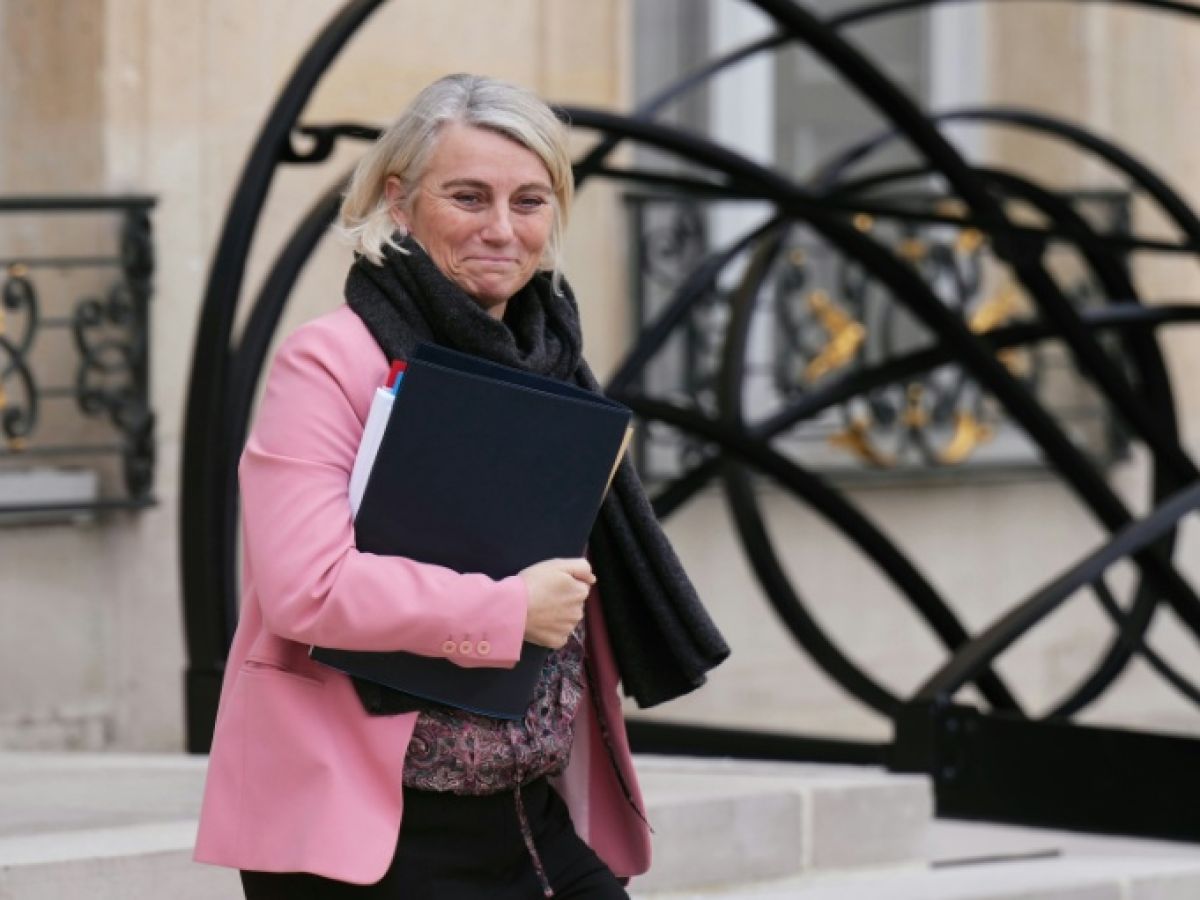
"I no longer want there to be, in our country, structures that support autistic children by resorting to psychoanalysis," Etienne Pot, the interministerial delegate for neurodevelopmental disorders (NDD), told AFP on Thursday.
The HAS has detailed the "recommended practices" for children with ASD (1 to 2% of the population): intervene as early as possible, from 18 months, encourage them to develop their communication, evaluate their functioning and progress every year.

She affirmed the central role of parents, who must be supported and educated.
With the right practices, all children can progress, notes Etienne Pot. Conversely, psychoanalytic approaches "have never demonstrated the slightest progress for autistic children" and are "guilt-inducing" for parents, he emphasizes.
Today, "the initial training of child psychiatrists, psychologists and social workers remains too steeped in the psychoanalytic approach," which can hinder the adoption of recommended "behavioral and developmental methods," regrets Sophie Biette, co-leader of the HAS working group.
Families "most often find themselves dealing with professionals steeped in psychoanalysis," confirms Danièle Langloys, president of Autisme France, which represents thousands of families. "The child does not progress without appropriate intervention to teach them how to overcome difficulties and develop autonomy."
– “Temporary closures” –
Numerous testimonies received on the Autism Info Service hotline attest to this: "A mother tells us that a child psychiatrist at the hospital told her, regarding gastric problems common in autism: 'your child is vomiting you up'", reports Florent Chapel who runs it.

"Another woman, exhausted, while her child is rolling on the floor, hears herself being told: 'You didn't breastfeed him? Your child is looking for you and has never found you,'" he continues.
In response to this situation, the interministerial delegate promises "inspection missions" in the structures supporting autistic children to "ensure that their practices comply with methods validated by science."
"Temporary bed closures" may be ordered to "rethink the project" if these structures constitute a "loss of opportunity" for the child, he told AFP.
At the Ministry of Health, they "do not rule out" "restructuring" the establishments "if risks are identified" for children.
The Ile-de-France Regional Health Agency (ARS) thus urgently suspended on Thursday the four services (Dolto, Winnicott…) providing full hospitalization at the Vallée Foundation, in Gentilly (Val-de-Marne) for its practices of confining children.
The largest child psychiatric hospital in France, it mainly treats young people with ASD but it "does not apply the HAS recommendations concerning autism", notes Mr. Pot.
The delegation will contact four Regional Health Agencies (ARS) in the coming weeks regarding establishments hosting young autistic people where there are reports of "non-compliant support," he warns.
Establishments that fail to comply could also be sued by families arguing that their child did not benefit from the methods recommended by the HAS.
Autism is "a neurodevelopmental disorder present from birth, the main risk factor of which is genetics," the doctor reminds us.
While disability causes many separations and mothers are left alone with their children, he considers it "shocking" to suggest that analyzing the mother-child relationship would help to understand its origin.
Some universities and training organizations continue to issue diplomas that "convey erroneous information," notes Mr. Pot, citing a university diploma in Autism from Paris Cité University, which offers an "insight" from "psychoanalysis" to "grasp the clinical issues of the signs of autism."
"In astrophysics, we don't teach that the Earth is flat. When we talk about autism, we need to stop saying that the mother has a responsibility," the delegate insists.
 English
  French