What do a cosmetic cream, savory biscuits, and eye drops have in common? All three products can contain methylparaben, a preservative suspected of being an endocrine disruptor. Indeed, several molecules in the paraben family possess chemical properties capable of disrupting the hormonal function of living organisms. And what do a receipt and sunglasses have in common? Both contain bisphenol S, a known endocrine disruptor, used to replace... bisphenol A, which was progressively banned in France between 2010 and 2015.
Bisphenol S and methylparaben: what are their effects on children?
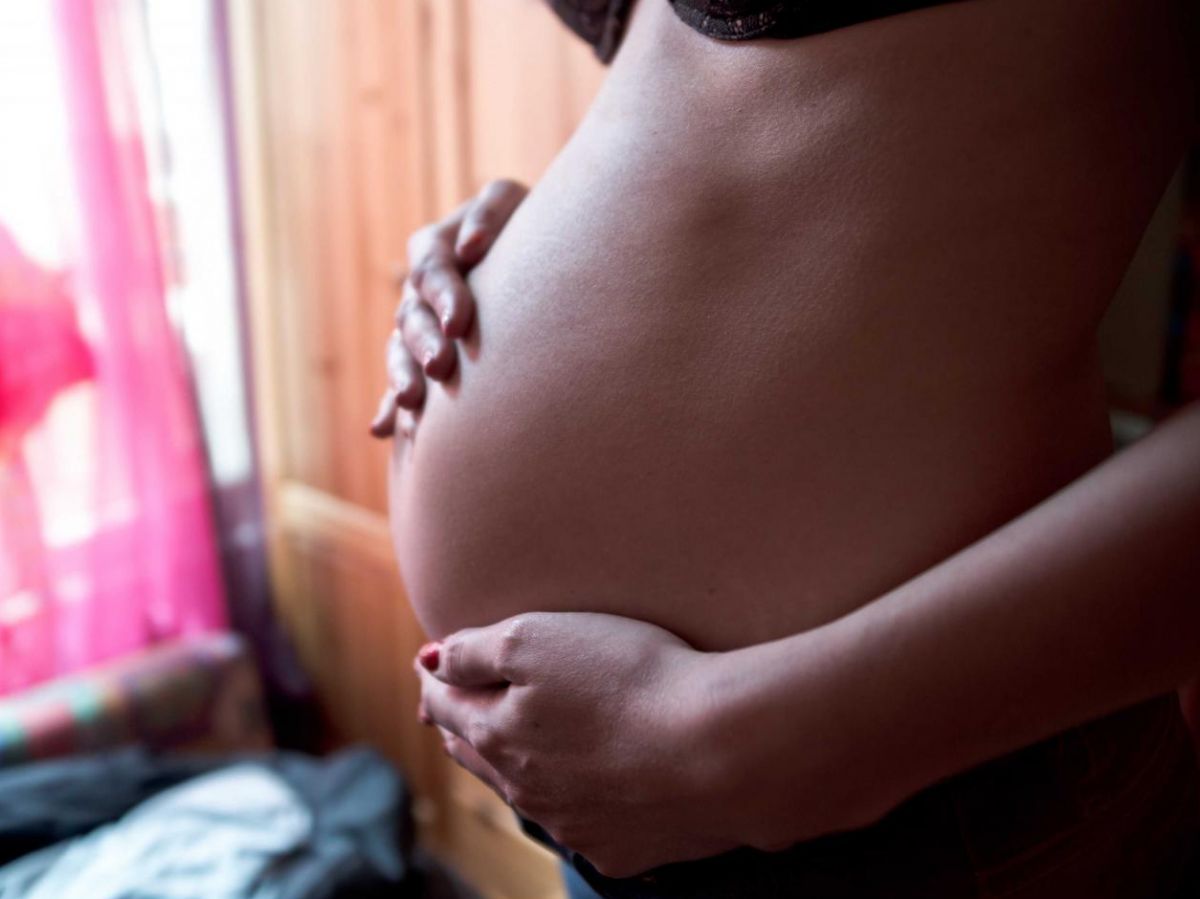
What are the effects of endocrine disruptors on our health? By interacting with the hormonal system, these substances are likely to disrupt many biological functions, particularly during a sensitive period of life: the fetal development.

Researchers from Inserm, CNRS, Université Grenoble Alpes (UGA), Grenoble Alpes University Hospital, and the Barcelona Institute for Global Health joined forces to investigate the impact of endocrine disruptors, and in particular two molecules, methylparaben and bisphenol S, on the development of behavioral disorders in children. Their study, published on December 10, 2025, in the journal Lancet Planetary HealthThis suggests an association between prenatal exposure to these two substances and an increase in behavioral disorders in children.
These results are based on two cohorts: on the one hand, 1,080 mothers and their child, recruited by the Barcelona Institute for Global Health between 2018 and 2021, and on the other hand, 484 mothers and their child, recruited in the Grenoble region between 2014 and 2017. To assess exposure to pollutants, the researchers collected 24 to 42 urine samples for each of the mothers, during the second and third trimesters of pregnancy.
“ This is a real strength of our study, as previous work collected a maximum of three samples during pregnancy. This methodology greatly improves the measurement and characterization of phenol exposures., emphasizes Science and Future Claire Philippat, researcher at Inserm and co-author of the publication. Another strength of this study is the size of the population, one of the largest on this topic..
In addition to quantifying the doses of pollutants present in urine samples during pregnancy, this analysis highlighted the presence of methylparaben in all mothers. Then, one and a half to two years after the birth, the parents were given a questionnaire to assess their child's behavior, the Child Behaviour Checklist (CBCL).
A high risk in the third trimester of pregnancy
“ We used a standardized questionnaire, completed by parents, which assesses children's behavior and emotional well-being (anxiety, aggression, attention deficit, somatic complaints, relationship problems, etc.). It is not a clinical diagnosis, but we know that higher scores on this questionnaire predispose to a higher risk of neurodevelopmental disorders., clarifies Claire Philippat.
Statistical analysis of these data revealed that the higher the exposure to methylparaben in the third trimester of pregnancy, the higher the CBCL scores. Regarding bisphenol S, they observed the same trend, but only in boys, which had also been shown with bisphenol A. However, no cocktail effect resulting from the mixing of different phenols was demonstrated.
But that's not all: to demonstrate a potential causal link between the presence of endocrine disruptors and the increase in behavioral disorders, the research teams sought to elucidate the biochemical mechanisms at play. To do this, they focused on hormonal imbalances likely to influence behavior.
"This work highlights the limitations of the regulations" which is done in substance.
A prime suspect: the cortisolCortisol, the stress hormone, is produced by the hypothalamic-pituitary-adrenal (HPA) axis. This axis coordinates communication between the central nervous system and the endocrine system. Researchers measured cortisol levels in the hair of mothers in late pregnancy—the least invasive and most reliable method for quantifying the long-term presence of this hormone. However, the results obtained have not yet confirmed this hypothesis.
“ Our results are not sufficient to rule out this hypothesis, as there are still very few studies on the subject. It is therefore important to continue investigating this biological pathway, which has received little attention in relation to chemical pollutants. Claire Philippat points out. But it is possible that other biological mechanisms, such as disruption of the thyroid or estrogen axis, are involved..
The launch of a large-scale study, composed of a cohort of 100,000 people, is expected in 2027, in order to continue research on these so-called emerging substances.
Regarding the contradictions in the regulations, the researcher concludes: "This work highlights the limitations of the regulations" which is done by substance. We have banned the'"The use of bisphenol A in certain applications, but not that of bisphenol S, nor other bisphenols with a similar chemical structure.".
 English
  French