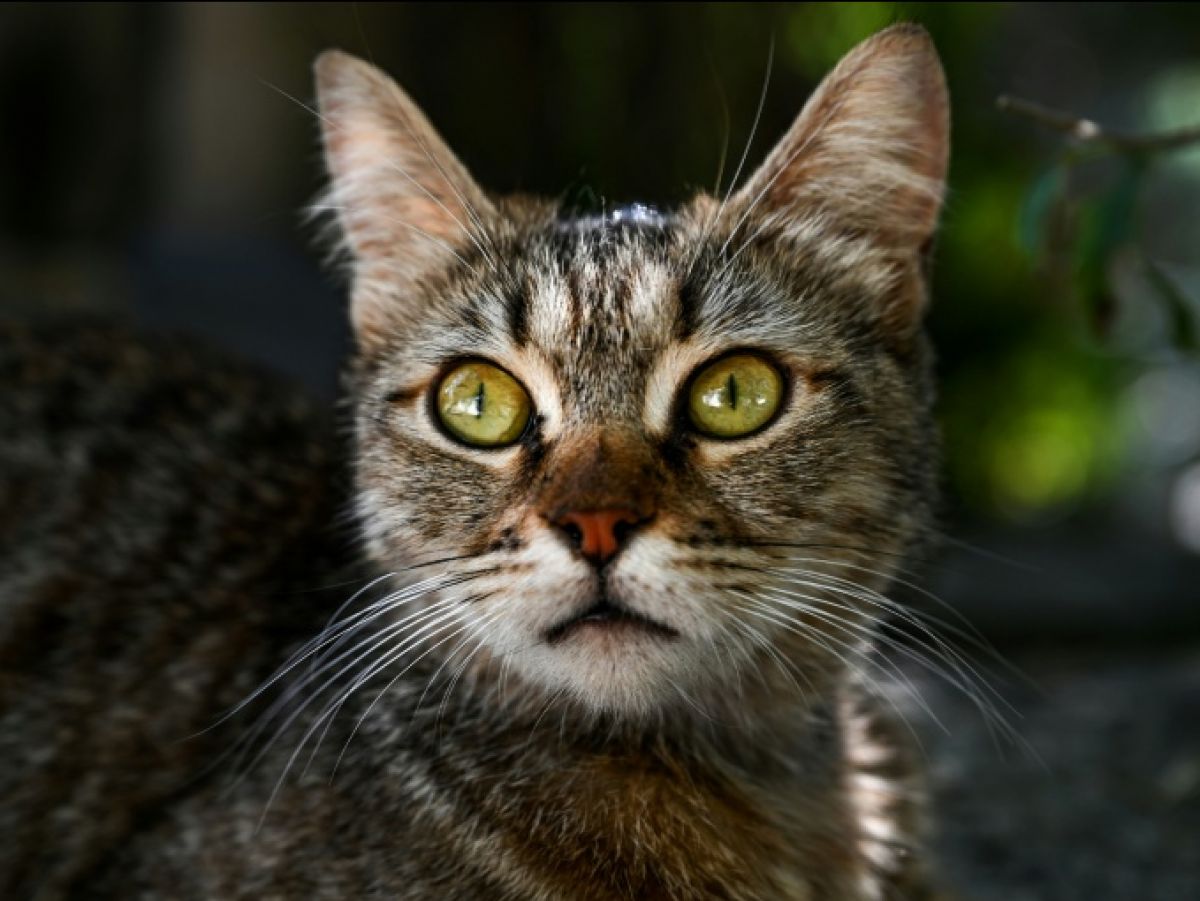
In addition to being excellent companions, cats could help us better understand and perhaps even better treat some of our cancers, including breast cancer, according to a group of international researchers. A study published in the journal ScienceThese experts in veterinary and human medicine have been interested in possible similarities between humans and cats in terms of cancer.
While such links between dogs and humans have been pointed out by previous research, virtually nothing existed on the side of our feline friends, explains Louise van der Weyden, an oncogenetics researcher at the British Wellcome Sanger Institute and co-author of the study, to AFP.
However, cats, just like dogs, are " excellent models for us "because they are exposed to the same environment, including" pollution or passive smoking", and develop the " same diseases as us", such as cancers or diabetes," she notes.
Same gene
Based on this principle, Ms. van der Weyden and her colleagues analyzed cancerous tumor samples from nearly 500 domestic cats from five countries, covering 13 different types of cancer (brain, breast, lung, skin, etc.). Since cancers are caused by genetic mutations, the teams looked for changes in the DNA of these tumor cells similar to those already identified in human medicine.
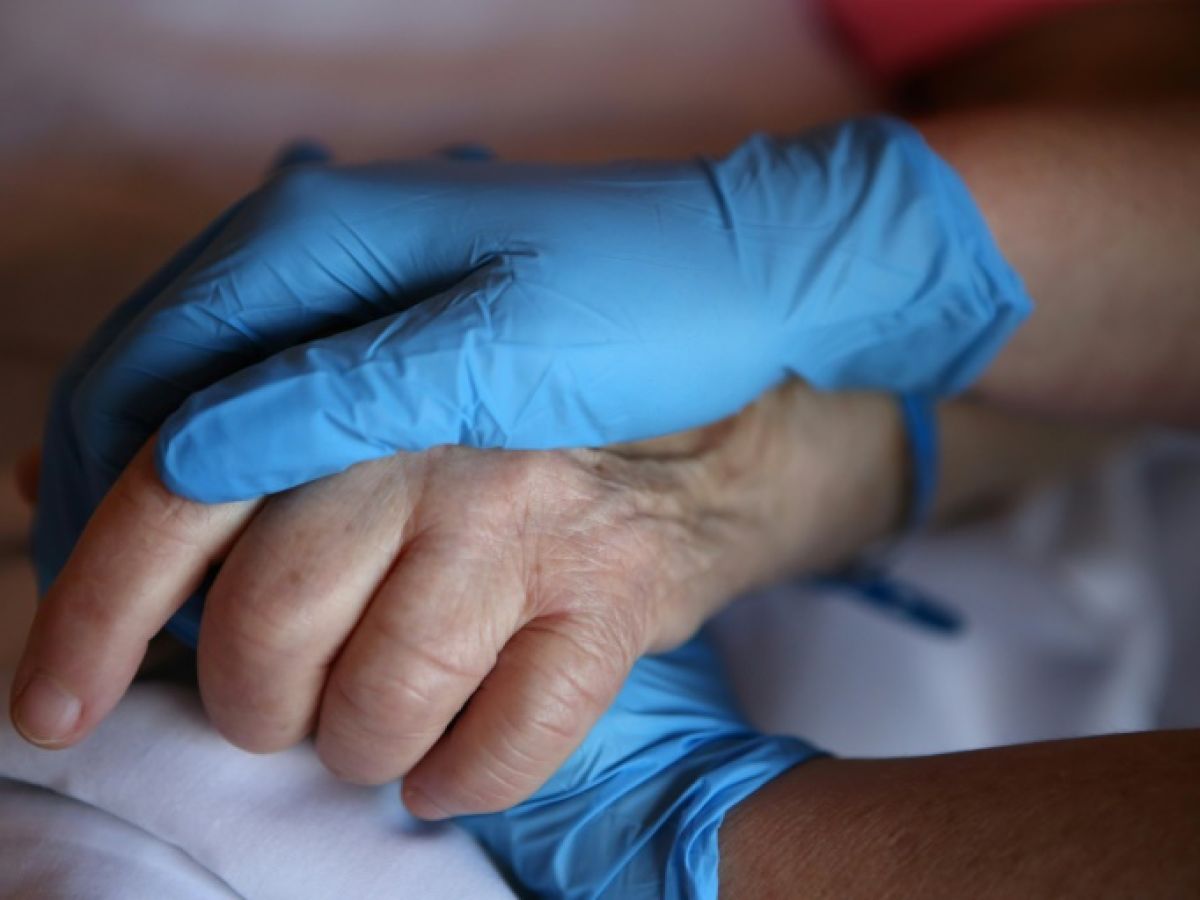
Several similarities between the two species have thus emerged, particularly with regard to breast cancer. In more than 50% of the cat mammary tumors analyzed, a gene called FBXW7, which has already been identified in human medicine, appeared to be mutated.
While this mutation is not very common in women with breast cancer, it causes problems for those who have it. a particularly aggressive type "of cancer," the researcher points out, noting that these breast cancers are also very aggressive in cats.
"Win-win"
“ For that small percentage of women who wear it"This discovery is..." tremendous "Because it could pave the way for new treatments," she adds. While conducting clinical trials in humans is complicated by the very small number of affected patients, the mutation is very common in cats, and targeted treatments could therefore be more easily tested in veterinary clinics. I would personally be more inclined to take a medication that has been tested on cats than on mice.", the scientist smiled.
Encouraged by this parallel, Swiss researchers conducted further experiments on these samples and discovered that two chemotherapy treatments appeared highly effective against tumors carrying this mutation. While these results still need to be confirmed by further research, they could quickly benefit both women and cats, as these drugs are already approved for use in humans and animals, the study points out.
These results could also improve the study of " cancer initiation process“,” Harikrishna Nakshatri, a professor at Indiana University and breast cancer specialist, told AFP. This expert, who did not participate in the study, believes these results fascinating "could we" to help better understand the interaction between genes and the environment", now considered the " main suspect "in the transformation of cells carrying these mutations into cancer cells.
However, the ambition is not solely to aid research in human cancer, insists Louise van der Weyden, who argues that these discoveries should also be used to better treat our four-legged companions by offering them, for example, targeted treatments already used in humans. Such an approach would be " A win-win situation for both the animal and the human." she maintains.
 English
  French