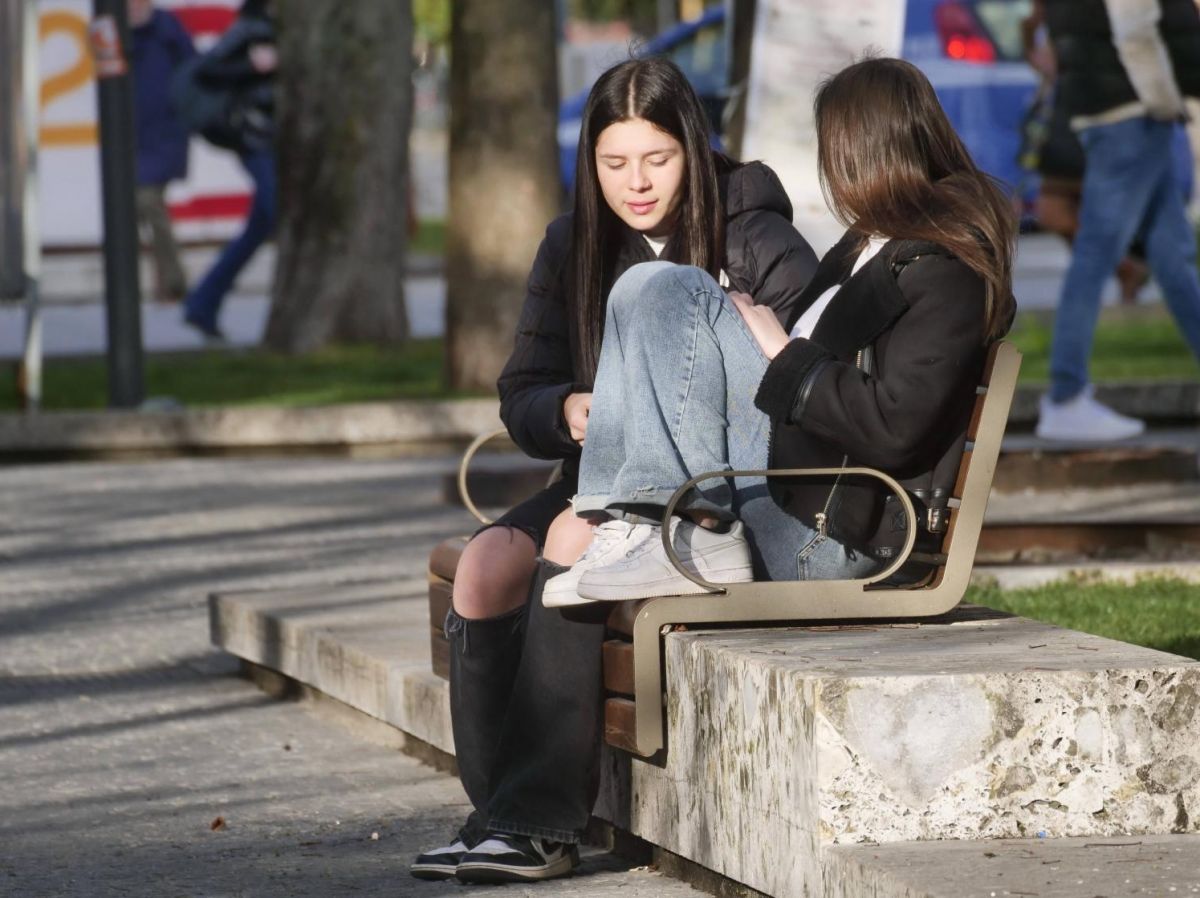
“ I feel like I'll never get out of this.«" , sighs a teenager on the phone. At the other end of the line, with headphones on, Elise, a social worker from Fil Santé Jeunes, listens to her and asks her questions to guide her towards help near her home.
Fil Santé Jeunes is a free helpline (0800 235 236) for 12-25 year olds. Under the cover of anonymity, young people can discuss their difficulties and ask all their questions about physical and mental health, sexuality, violence, gender or emotional life.

“ I'm ashamed to leave my house.«"The young girl confided to Elise, mentioning a very significant weight gain in a very short time. The teenager can no longer stand her image, does not trust her general practitioner and finds no support from her mother.
«"We are the first line of defense, like a sentinel."»

Elise suggests that they look for a healthcare professional who could help her with her eating disorder.
«We are the first line of defense, like a sentinel,» explains Amélie Billault, the general manager.
Le Fil Santé Jeunes, open 7 days a week, employs 25 listeners with very varied training: nurses, educators, sociologists, psychologists, accompanied by two child psychiatrists.
In 2025, the service received over 17,000 calls and handled over 38,000 online conversations. Chats that facilitate dialogue« for those who have more difficulty expressing themselves or because some things are easier to say in writing«", according to Maryline Barthélémy, coordinator and clinical advisor.
According to statistics from Le Fil, half of the calls and online conversations concern mental health issues. This figure continues to rise.« A few years ago, young people called a lot to talk about contraception and abortion, but today it's really linked to their distress.«", emphasizes Amélie Billault.
Read also Mental health: new overview of post-Covid deterioration in France
Anonymity is guaranteed, except in cases of imminent danger.
In most cases, callers, who are increasingly younger according to the data collected, primarily want to find a listening ear, someone who believes them and does not judge them.
But sometimes, in the most worrying situations, particularly in cases of suicide risk, "« "We need to determine if the person is in immediate danger."», "The listeners assess the situation and can then request the lifting of anonymity and call in emergency services," the director reminds us.
Another reason for the rise in calls is violence among young people, within the family or with another authority figure. In a 2025 survey conducted by Fil Santé Jeunes, nine out of ten respondents reported having experienced at least one form of violence.
“ Another reality is that there is a high number of calls related to situations of sexual violence.«" adds Ms. Billault.
This summer, one conversation left a lasting impression on the service: a 21-year-old initially discussed various topics before breaking down and recounting sexual abuse he and his sister suffered when they were six and eight years old. It was the first time he had spoken about it. The call lasted 1 hour and 20 minutes, during which the young man vomited several times.
Read also Rumination, intrusive thoughts: when should you worry about your mental health?
Whether it's a minor problem or a major distress, every call is listened to.
For each situation, Fil Santé Jeunes has a directory of professionals to whom callers can be referred: doctors, psychologists, youth centers, and associations. But it's never certain whether the young people will follow up.
While the topics discussed are often difficult, "« All calls are welcome.«" recalls Bruno Verrecchia, head of the telephone service.
“ We've already had a call from a 5th grade student asking for help with math."!", he recalls, laughing.
This time, no one was able to assist him, but the middle school student was able to be heard by a compassionate adult!
 English
  French