Finally, a breakthrough in atrial fibrillation (AF), this very common heart rhythm disorder which accelerates the heart and makes it beat irregularly. This diseaseIt affects nearly 60 million people worldwide, but no new treatment has been developed for at least 30 years.
New perspectives in the treatment of atrial fibrillation
An American team from the University of Michigan, led by Aitor Aguirre, has just succeeded in creating and perfecting heart organoids – tiny functional models of the human heart – capable of reproducing the characteristics of this heart rhythm anomaly.
This work, published in the journal Cell Stem Cell opens up new perspectives in the management of AF, which we know...Its appearance is favored by aging and the presence of high blood pressure, obesity or sleep apnea syndrome.
In fact, until now, researchers did not really have accurate models of the human heart for their AF studies and had to rely on simple sheets of heart cells or 3D structures

Here, the Michigan team, already specializing in the laboratory creation of cardiac organoids from stem cells, had the idea of adding macrophages, immune cells, which migrated into the cardiac tissue in a few weeks.
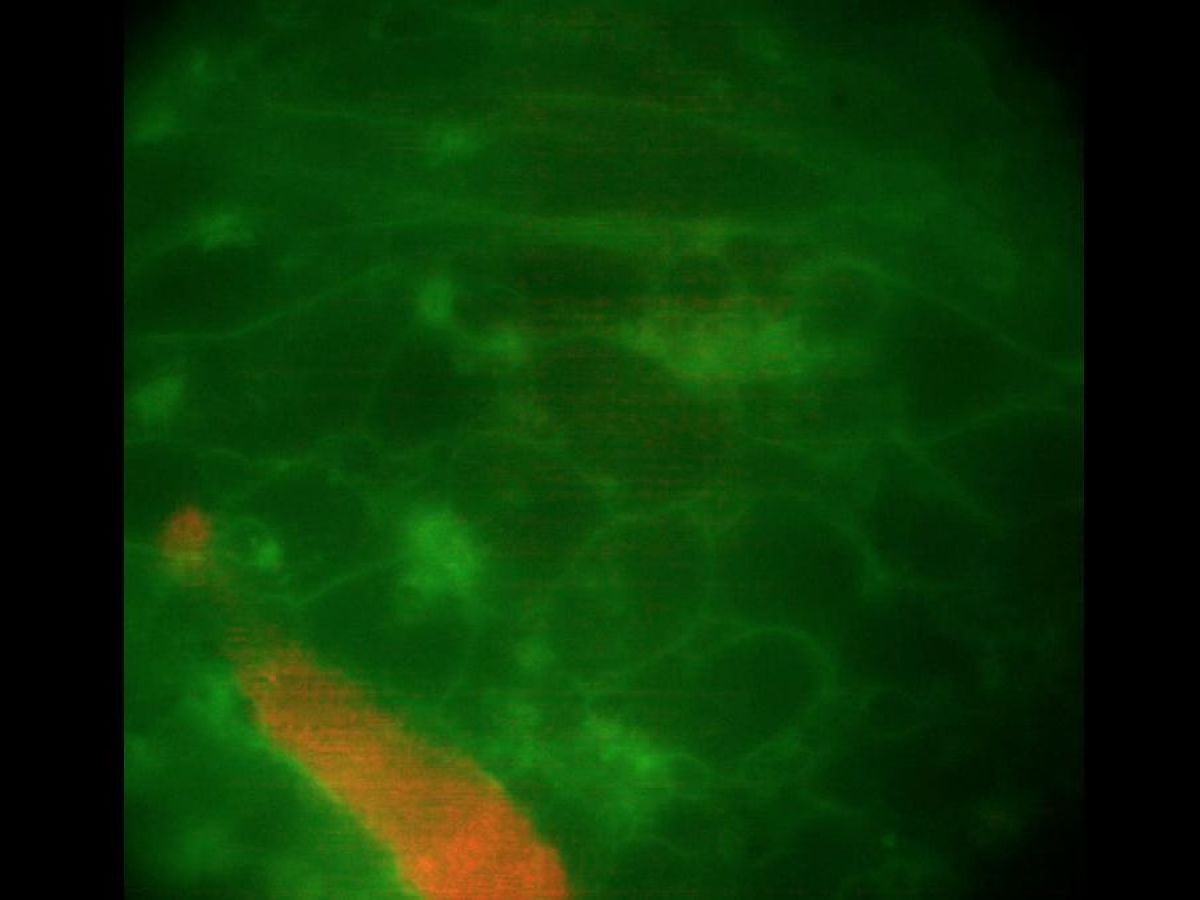
The researchers then discovered that a significant proportion (85 %) of these macrophages established direct electrical connections with neighboring heart cells. By using fluorescent markers, they also realized that macrophages pulsed in sync with cardiac muscle cells, causing beats visible to the naked eye.
Video credit: Aitor Aguirre et al.
Transplantation in the spotlight
As the researchers point out in the university press release, this The addition of macrophages, by creating inflammation, allowed the organoids to age and resemble adult hearts.
To demonstrate how this new model could be used to test therapies, the team also administered different dosages of anti-inflammatory molecules to normalize heart rhythm.
While we wait for a better treatment for atrial fibrillation with anti-inflammatories, which may one day be available, these This research offers a new perspective on how inflammation can trigger arrhythmias and how medications could halt this process.“,” commented Aitor Aguirre in the press release. And the specialist continued: Our long-term vision is to develop personalized cardiac models from patient cells for precision medicine and one day generate heart tissues ready for transplantation“.
 English
  French