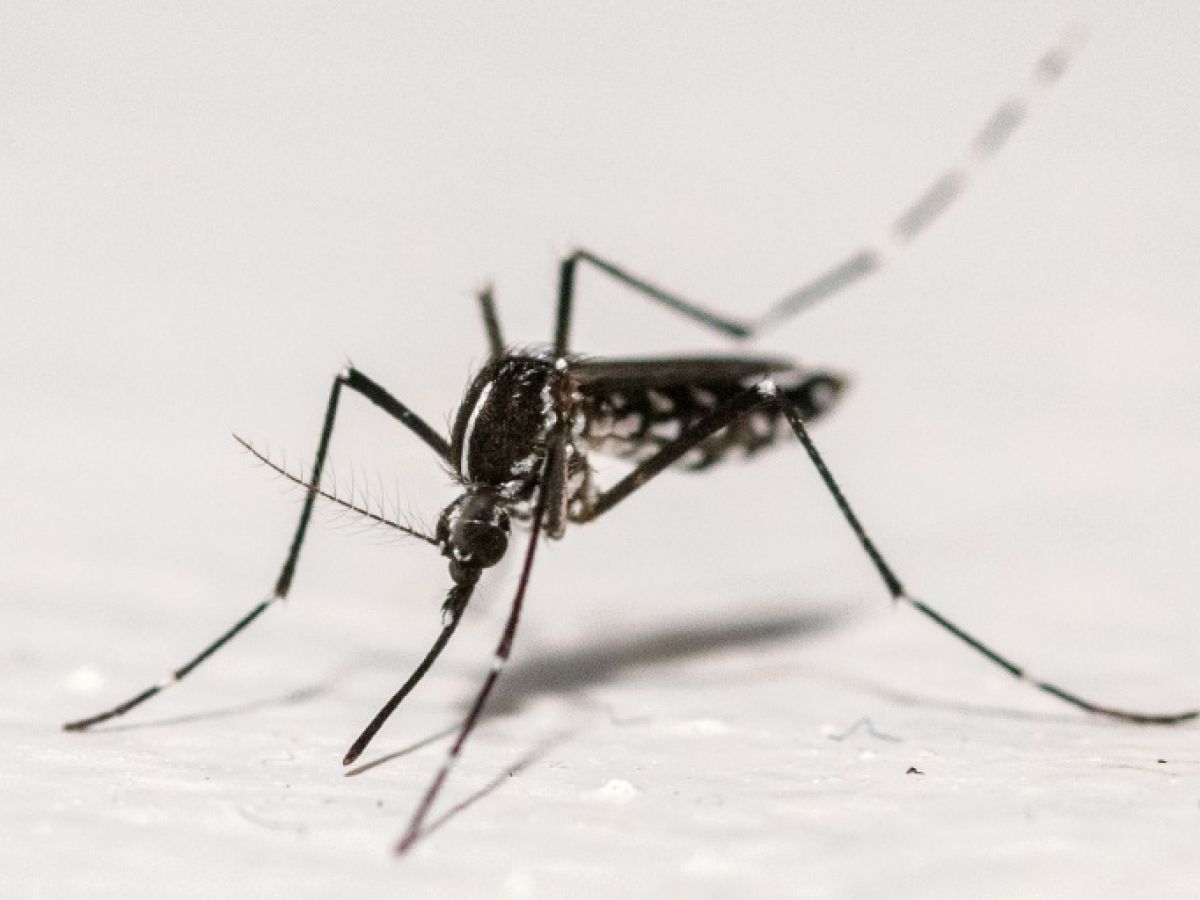
From May 1st, the start of this surveillance, until June 14th, 2026, 164 imported cases of dengue, 43 of chikungunya and 4 cases of Zika were identified, the health agency stated. "imported" these concern people who have travelled to regions of the world where these viruses transmitted by a tiger mosquito bite are endemic.
So far this year, no locally acquired cases have been identified, but specialists are certain that there will be some this summer in France, where the heat waves are, as elsewhere in Europe, earlier, more frequent and more intense.
Combined with globalization and urbanization, climate change has indeed facilitated the establishment of the tiger mosquito in regions where it was absent a few decades ago.
A "call for heightened vigilance"
Once confined to tropical and subtropical regions, the tiger mosquito is now established in 83 departments of metropolitan France. And its active period now extends from May to November.

At the end of May, the Ministry of Health sent a "call for increased vigilance" to healthcare professionals regarding these arboviruses in France, in an urgent message issued by the Directorate General of Health.
After a record year in 2025 in mainland France for locally acquired cases of these diseases, with chikungunya leading the way (more than 800 cases), health authorities also urged people in early May to remain "All vigilant" to limit the risks of importation and spread.
Read alsoHow much do mosquitoes cost us? A staggering amount!
Europe is the fastest warming continent in the world.
Dengue and chikungunya could become endemic in Europe, a study published in the journal warned in spring 2025 Lancet Planetary Health.
In areas where the tiger mosquito has become established, there may be as little as one year between two outbreaks of dengue or chikungunya. "probably due to changing climatic conditions", and this recurrence is "reinforced by the frequency of human movement", according to its authors.
Europe is the fastest-warming continent in the world, due to multiple factors: proximity to the Arctic, changes in atmospheric circulation, and a decrease in air pollution.
 English
  French